Luxury spiritual tourism has emerged as one of India's fastest-growing travel segments, with nearly 25% growth witnessed over the past two to three years. According to Rajeev Kale, president and country head (Holidays, MICE & Visa) at Thomas Cook (India), luxury spiritual holidays typically start at ₹1 lakh per person for a five-day itinerary and can exceed ₹1.5–2 lakh for exclusive helicopter-enabled pilgrimages. As India continues to attract global travellers looking for authentic cultural experiences, bespoke travel is expected to become increasingly important, with luxury travellers now seeking personalised journeys tailored to their interests rather than following standard itineraries. For many luxury travellers today, the destination is only one part of the experience, with the way the journey is designed and how personally it reflects the traveller defining true luxury.
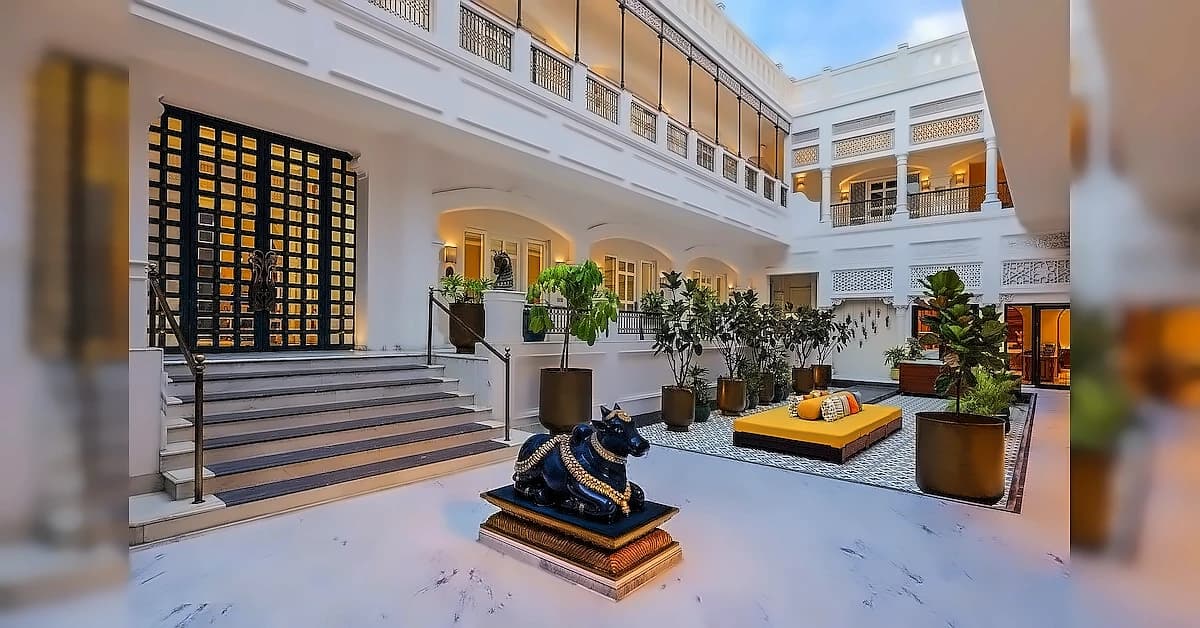
Luxury spiritual retreats now offer curated experiences including helicopter-enabled pilgrimages, private chauffeured transfers, assisted VIP darshans, personalised pujas, and boutique heritage stays. At Pilibhit House IHCL Seleqtions in Haridwar, guests experience riverside yoga sessions, organic meals with Sanskrit scholars discussing Indian philosophy, and Ayurvedic therapies with room tariffs starting upwards of ₹35,000 per night. In Varanasi, luxury is defined by privileged access to centuries-old traditions and intimate experiences of the world's oldest living cities, with travellers choosing to extend stays from traditional stopovers to two to three nights. The demand extends beyond leisure travel, with businesses also seeking premium, personalised experiences for meetings, incentive programmes and executive travel, prompting travel specialists to offer more customised services for the corporate segment as well.
The profile of luxury spiritual travelers has evolved significantly, with increased demand from affluent leisure travelers, international guests, and younger Indians seeking heritage, philosophy, and immersive experiences. As reported by S D Nandakumar, president and country head (Holidays and Corporate Tours) at SOTC Travel, today's spiritual travelers are far more informed and intentional, seeking experiences that combine devotion with comfort and cultural immersion. Instead of asking for standard holiday packages, many now begin by describing the kind of experience they want, with the itinerary coming later. Improved connectivity has made remote destinations more accessible, while premium travel formats have elevated overall experiences, with the focus shifting from visiting temples to engaging more deeply with destination traditions and spiritual significance. The industry is responding by moving away from catalogue-based holidays towards tailor-made planning, where every journey begins with conversations about the traveller's interests, preferred pace, hobbies and expectations before destinations and experiences are selected.
The luxury spiritual tourism trend reflects a broader shift toward experience-led rather than product-led luxury, where guests are willing to invest in authentic, exclusive experiences that offer deeper connections with destinations. According to Udit Kumar, co-founder of Brij Hotels, luxury today is increasingly defined by how deeply travelers can connect with places, people, and traditions. This evolution is particularly evident in destinations like Haridhar, where properties like Pilibhit House report families, couples, and young travelers coming simply to experience the city rather than perform traditional rituals of farewell, leading to longer stays and more immersive experiences. The demand extends beyond conventional luxury travel, with growing demand for specialised experiences including women-only holidays, wellness retreats, family celebrations, culinary journeys and LGBTQ+-friendly travel becoming important segments within India's luxury tourism market. Companies are increasingly recognising that different groups of travellers have different expectations around comfort, privacy and safety, with TRAVELOSEI introducing dedicated experiences through its "Pink Suitcase" initiative for women travellers and LGBTQ+ guests.
The hospitality sector is witnessing a significant shift in religious tourism infrastructure, with religious and spiritual destinations accounting for only 6% of India's existing branded hotel keys but representing nearly 14% of the branded hotel pipeline by 2030. According to Anarock's latest insights, this represents a clear signal that hotel companies are reassessing faith-led markets as long-term branded hospitality opportunities rather than volume-driven budget destinations. The PRASHAD scheme has sanctioned 48 projects across 27 states and union territories, focusing on pilgrimage infrastructure development, while the Union Budget 2025-26 announced the development of India's top 50 tourist destinations. Major religious markets like Ayodhya are leading this transformation, with the city recording over 230 million devotees in the first six months of 2025 and its tourism economy estimated to reach ₹18,000 crore by 2028. This infrastructure development, combined with improved connectivity and destination management, is enabling pilgrimage markets to move from high-volume accommodation to structured hospitality ecosystems that support longer stays and higher spending.
The luxury hospitality landscape is experiencing a structural transformation as demand spreads beyond traditional metropolitan centers. According to JLL's latest report, India's hospitality sector attracted US$567 million in investment in 2025, representing a staggering 67% year-over-year surge. This capital is heavily decentralizing, with Tier II and Tier III cities capturing nearly 40% of total transaction volume and accounting for 71% of all new branded hotel signings. Today, nearly 77% of branded hotel signings are taking place in markets that were not mainstream hospitality destinations a decade ago. This expansion is fueling increased upscale and midscale development in cities like Ludhiana, Nashik, Vadodara, Udaipur, and Lonavala, while luxury resort investments continue to thrive in premier leisure destinations such as Rishikesh and Goa. The story of luxury hospitality is changing as travellers seek new experiences and destinations, with five-star service no longer sufficing - today's luxury guests are seeking authenticity and sustainability as much as comfort. This momentum is creating genuine multiplier effects for local economies, supporting India's Viksit Bharat 2047 goals through balanced regional growth and strengthened domestic tourism.