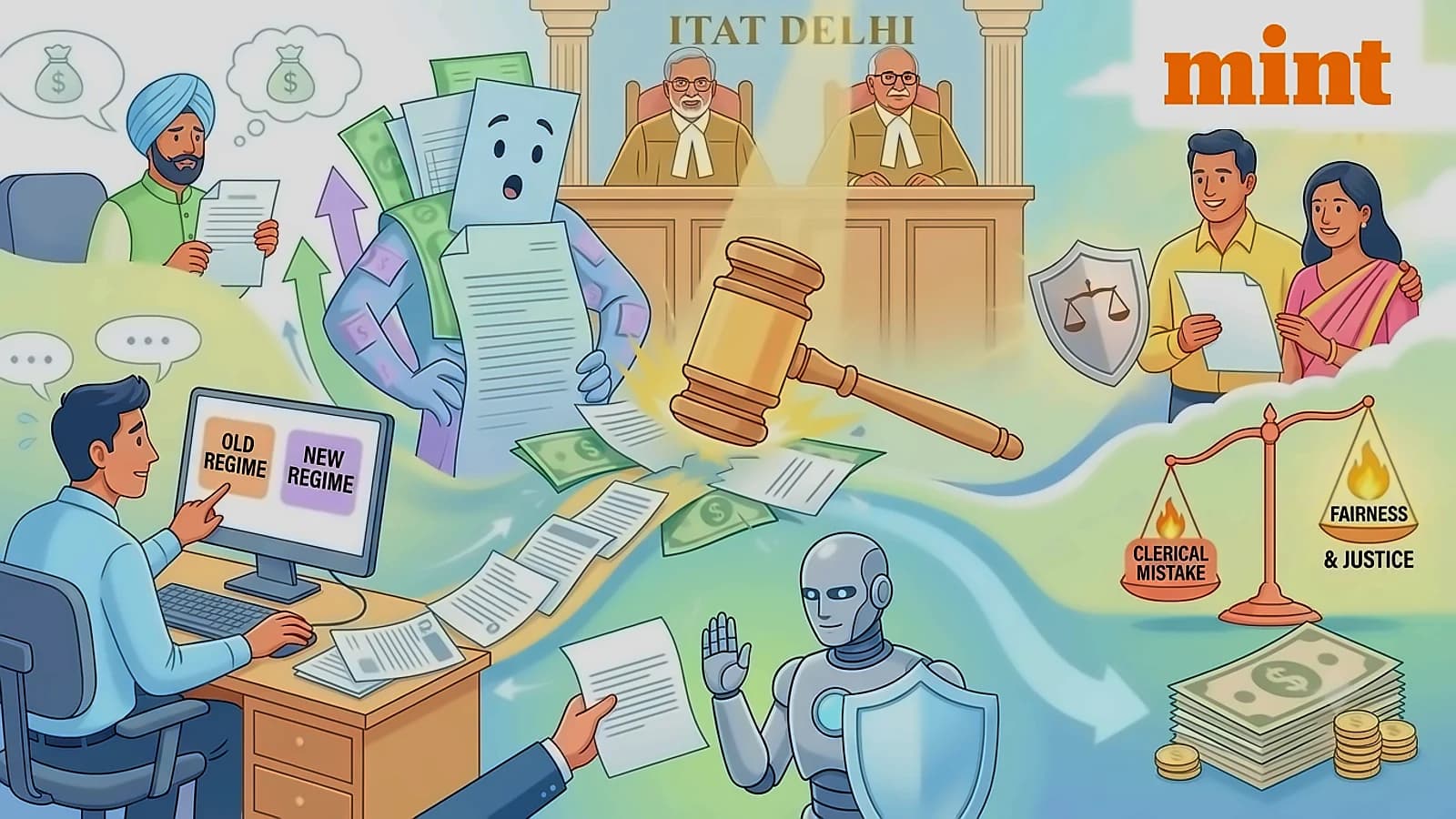
The Income Tax Appellate Tribunal (ITAT) has issued a landmark ruling that protects salaried employees from double taxation when employers fail to deposit tax deducted at source (TDS). According to reports from Mint, the tribunal held that an employee cannot be forced to pay tax again merely because the employer failed to deposit the tax deducted from salary. This ruling comes as a significant development for thousands of salaried taxpayers who rely on Form 16 and salary slips while filing their income tax returns.
The ruling emerged from a case involving Byju's, where the company deducted ₹1.49 crore as TDS from an employee's salary but failed to deposit the amount with tax authorities. As reported by Mint, the issue reportedly affected 23,621 employees of the company. Since the tax was never deposited, the employee's Form 26AS did not reflect the TDS credit, and the Centralised Processing Centre (CPC) later raised a tax demand after denying the credit during return processing. However, the ITAT ruled in favour of the employee and directed that full TDS credit be allowed, observing that the employer's failure to deposit the tax cannot be shifted to the employee.
The case is supported by established legal provisions that protect employees in such situations. According to Mint, Section 205 of the Income Tax Act provides protection to employees where once tax has been deducted from salary, the employee cannot be asked to pay the same tax again. The responsibility to deposit that tax lies entirely with the employer. Additionally, CBDT Instruction No. 275/29/2014 dated June 1, 2015 states that tax demands arising solely because of a TDS mismatch should not be enforced against employees if tax has already been deducted from their salary. A 2016 Office Memorandum of the Central Board of Direct Taxes (CBDT) reiterates that an employer's failure to deposit TDS should not create additional tax liability for the employee, with no recovery permitted from the employee in such cases.
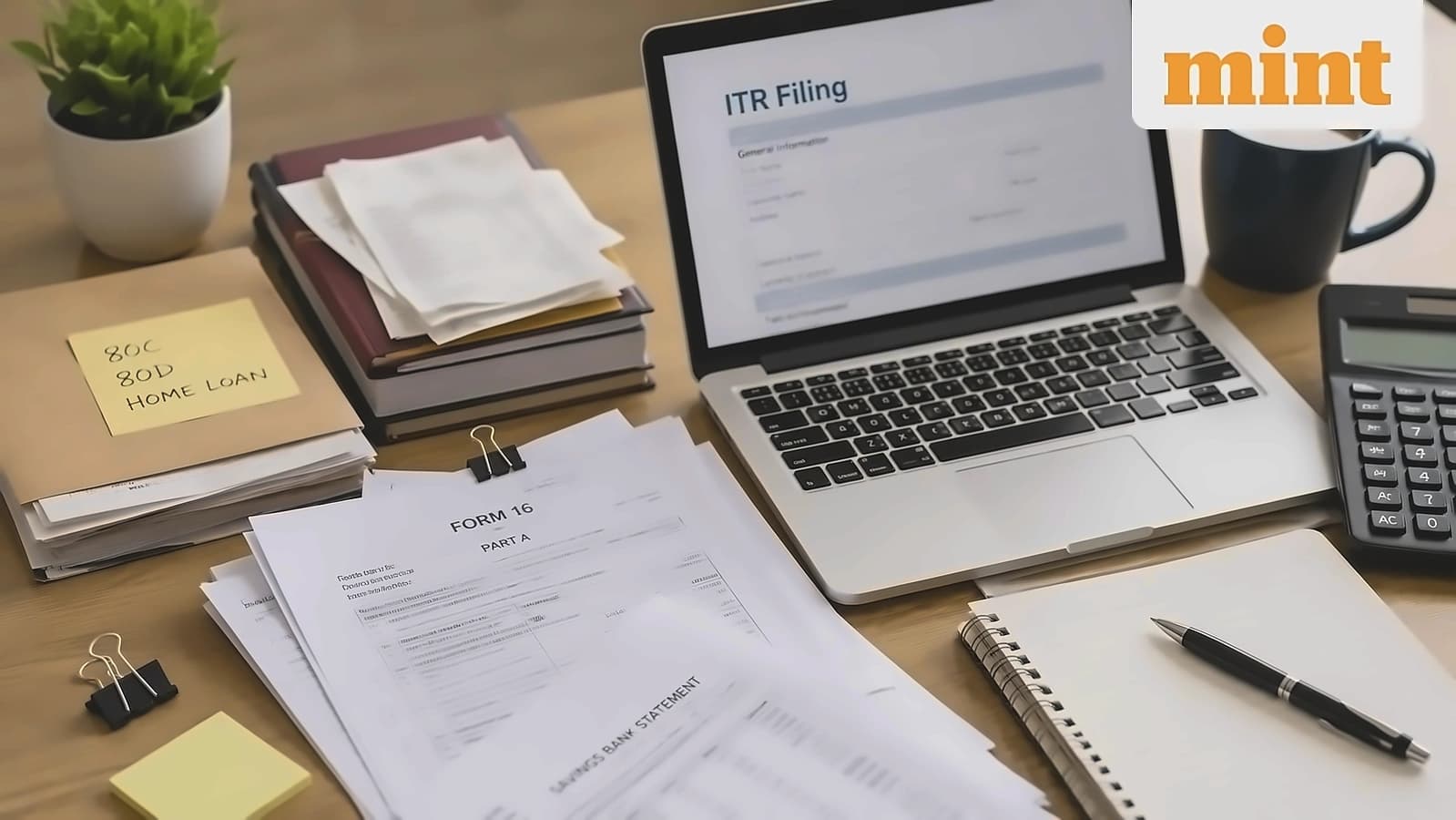
Tax experts emphasize the importance of verification before filing returns. As reported by Mint, TaxBuddy founder Sujit Bangar advised salaried individuals to compare the TDS mentioned in their salary slips and Form 26AS before submitting their returns. If a mismatch is noticed because the employer has not deposited the deducted tax, taxpayers should still claim the eligible TDS credit supported by salary records. Bangar recommends keeping records of salary slips for all 12 months, Form 16, and bank statements as important evidence if tax department queries arise. If a tax demand is issued despite TDS having been deducted from salary, taxpayers may consider filing a rectification request under Section 154 while referring to applicable legal provisions and supporting documents.