Investors face multiple options when deciding to exit their investments, according to Value Research. The primary strategies include Systematic Transfer Plans (STP), Systematic Withdrawal Plans (SWP), and lump sum selling. These methods each offer different approaches to managing portfolio liquidation while considering market timing and tax implications.
As reported by Value Research, investors must carefully consider market timing when deciding to sell. The analysis notes that waiting too long to sell can result in the market taking you out of it, emphasizing the importance of timing in investment exits. This timing consideration applies regardless of the chosen exit strategy.
According to Value Research, each exit strategy carries different tax implications that investors must evaluate. The report suggests that lump sum selling typically results in higher tax liability compared to systematic approaches. This tax differential is a key factor in determining which strategy is most appropriate for individual investor circumstances.
When investing in mutual funds, investors must understand Securities Transaction Tax (STT), which is applicable only to specific fund types. As per current regulations, STT is charged at 0.001% on the redemption of equity-oriented mutual fund units, with no charges when investing. For example, if you redeem equity mutual fund units worth ₹5,00,000, the tax amount remains minimal but is automatically deducted during redemption. Debt mutual funds, liquid funds, gold funds, and most other non-equity mutual funds are generally not subject to STT.
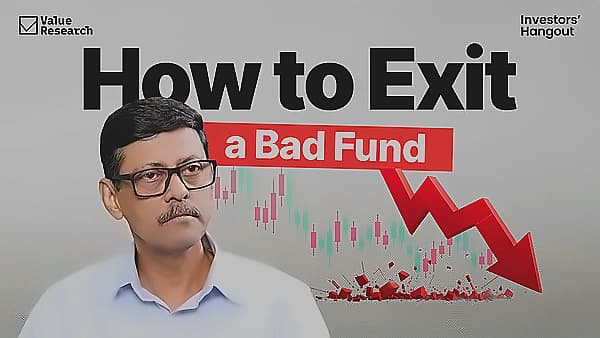
As reported by Value Research, investors should consider their specific circumstances when choosing an exit strategy. The analysis emphasizes that the right strategy depends on individual financial goals, risk tolerance, and market conditions. The report suggests that investors should carefully weigh the pros and cons of each approach before making their final decision, focusing on investment goals and time horizon rather than tax considerations alone.