India's wealth creation is spreading beyond its traditional metropolitan centers, creating a broader market for private wealth managers. According to Ashish Shanker, managing director and CEO of Motilal Oswal Private Wealth, cities such as Hyderabad, Pune, Kolkata, Kochi and Chennai, along with smaller centers including Lucknow, Kanpur, Nagpur, Nashik and Kolhapur, are witnessing the biggest addition of millionaires and high-net-worth individuals (HNIs). While Delhi-NCR, Mumbai and Bengaluru remain the biggest wealth hubs, these emerging markets are showing significant growth potential. The services economy drives this expansion, with cities having thriving technology, financial services and consumer services sectors creating the largest number of millionaires. As wealth grows, the investment universe expands, with investors having very different priorities depending on their wealth levels - someone with ₹1 crore in investable assets will have different priorities from someone with ₹10 crore, ₹500 crore or a family office.
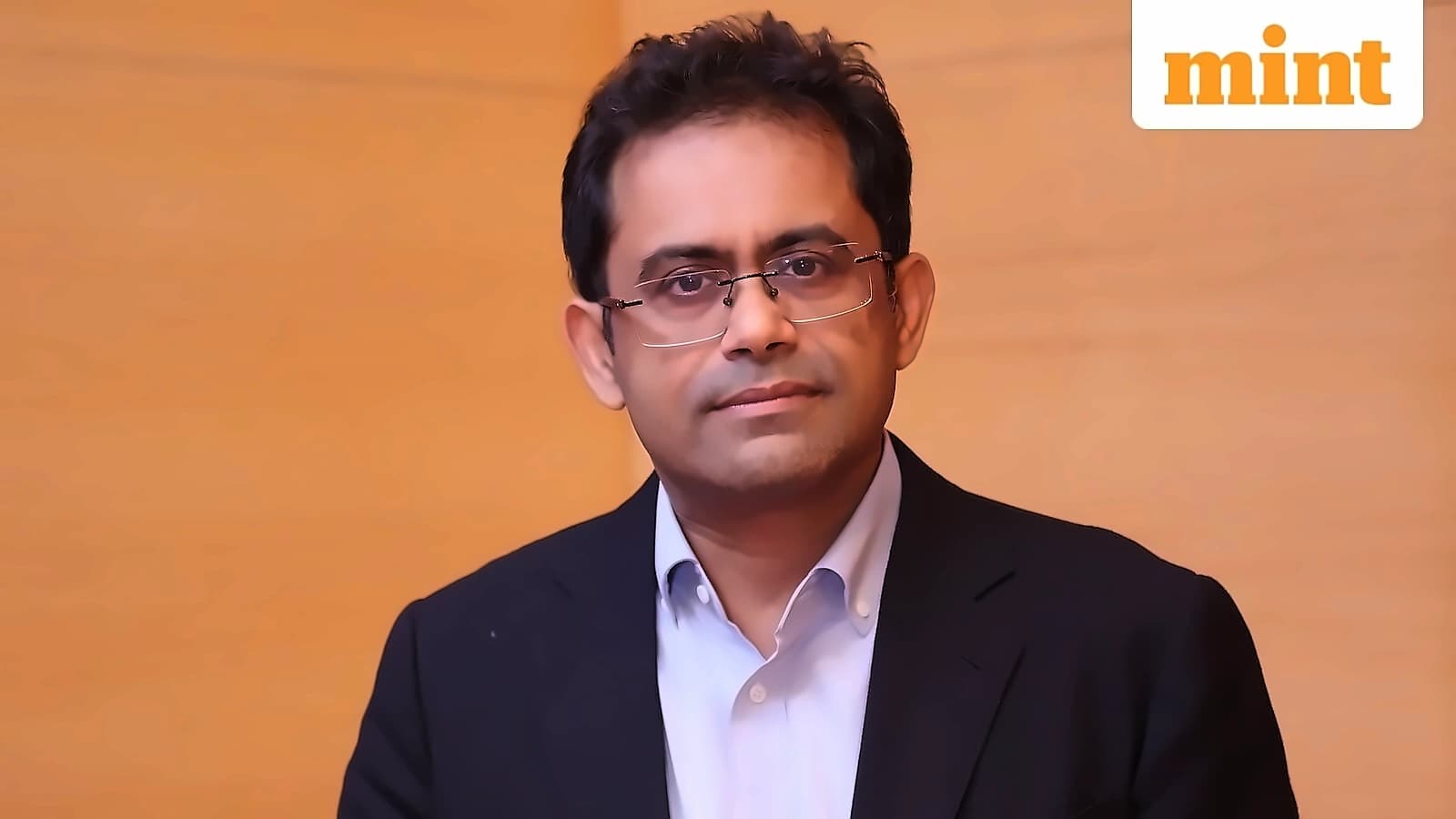
As wealth grows, HNIs and family offices are increasingly diversifying beyond traditional Indian investments. According to Shanker, affluent investors typically rely on mutual funds, hybrid funds and debt products, while HNIs and family offices increasingly diversify into global assets, private equity, structured credit, pre-IPO opportunities, alternative investment funds (AIFs) and bespoke portfolio management services (PMS). The objective is to generate similar or better returns with lower volatility through greater diversification. As portfolios become larger, investors gain access to more sophisticated investment avenues that can improve risk-adjusted returns while reducing concentration risk. Over the past two years, Motilal Oswal Private Wealth has strengthened its investment capabilities across asset classes, hired senior bankers to better serve large family offices, and expanded its HNI presence across cities to deliver more tailored solutions at scale.
Motilal Oswal Private Wealth has grown its assets under management from about ₹20,000 crore at the start of the decade to over ₹2.39 trillion as of end of June quarter (Q1FY27). The company aims to become a leader in the private wealth market within five to six years. However, Indian equities haven't delivered meaningful returns over the past 18 months, even though well-managed portfolios have largely remained positive. The market has become highly polarized, with a handful of sectors hitting new highs while others continue to struggle, making investors more selective rather than indiscriminately bullish. This isn't unique to India - globally, market leadership has become increasingly narrow, with themes such as artificial intelligence (AI), defence and manufacturing driving most of the gains. Investors therefore need to be more selective, as broad-based market returns have become harder to come by.
Demand for Category II AIFs, particularly private equity and private credit funds, remains very strong and has become one of the fastest-growing investment categories among wealthy investors. Private equity is now a well-established asset class, with many investors progressing from fund investments to co-investment opportunities in unlisted companies. As for IPOs, the market is inherently cyclical, with geopolitical tensions and high oil prices keeping many listings on hold in recent months. Now that conditions have improved, companies with strong profitability and reasonable valuations are finding demand, and the IPO pipeline is likely to broaden as market sentiment strengthens further. Business-led cities such as Rajkot are also producing successful entrepreneurs who are increasingly looking to monetize their businesses through private equity or initial public offerings (IPOs). With capital markets becoming the preferred monetization route, more promoters are choosing to raise private capital before eventually going public.
Global markets have performed well, naturally attracting investor interest, but the bigger reason for diversification is that Indian portfolios have historically been under-allocated to global assets. As wealthy Indians become increasingly global in their lifestyles—with overseas travel, education and dollar-linked expenses—it makes sense to diversify beyond India rather than hold an entirely rupee-denominated portfolio. Traditionally, Indians had indirect dollar exposure through gold, which has served as a hedge against inflation and rupee depreciation. Now, that exposure is increasingly coming through global financial assets. Three key trends stand out among UHNIs and family offices: rising allocations to alternative assets, particularly private equity and private credit, global diversification becoming integral to portfolio construction, and succession and estate planning gaining prominence as wealthy families prepare to transfer assets across generations. India's next generation is set to inherit unprecedented levels of wealth, with family businesses growing and ownership structures becoming more complex, making wealth transfer and governance emerging as key priorities alongside investment management.