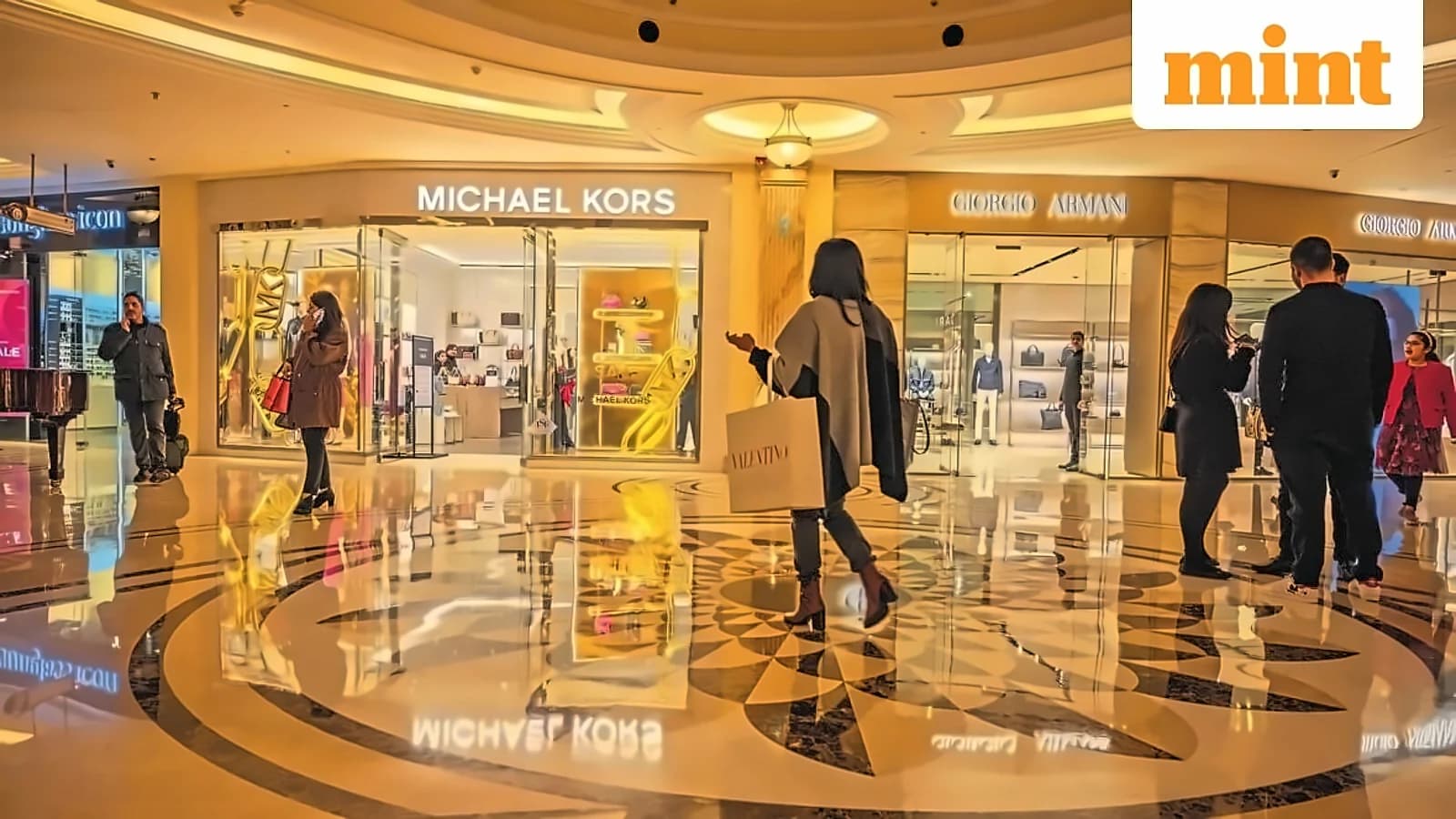
According to reports from Mint, Aarushi Sharma, 26, and her husband face a stark contrast in living costs when comparing Hong Kong to India. A monthly HK$15,000-25,000 (about ₹1.8-3 lakh) gets them an apartment measuring around 300 sq. ft, while gym or yoga sessions cost upwards of HK$120 (₹1,400) per visit. The couple rents a 550 sq. ft apartment paying about 20% of their income in rent, which Sharma describes as reasonable compared to new professionals who shell out half their salaries on rent. Despite higher absolute spending, their savings rate remains unchanged due to higher salaries, lower taxes, and low inflation. As Sharma noted, "The hardest part is unlearning the instinct to measure everything against Indian prices, because by that yardstick almost nothing here feels 'worth it."
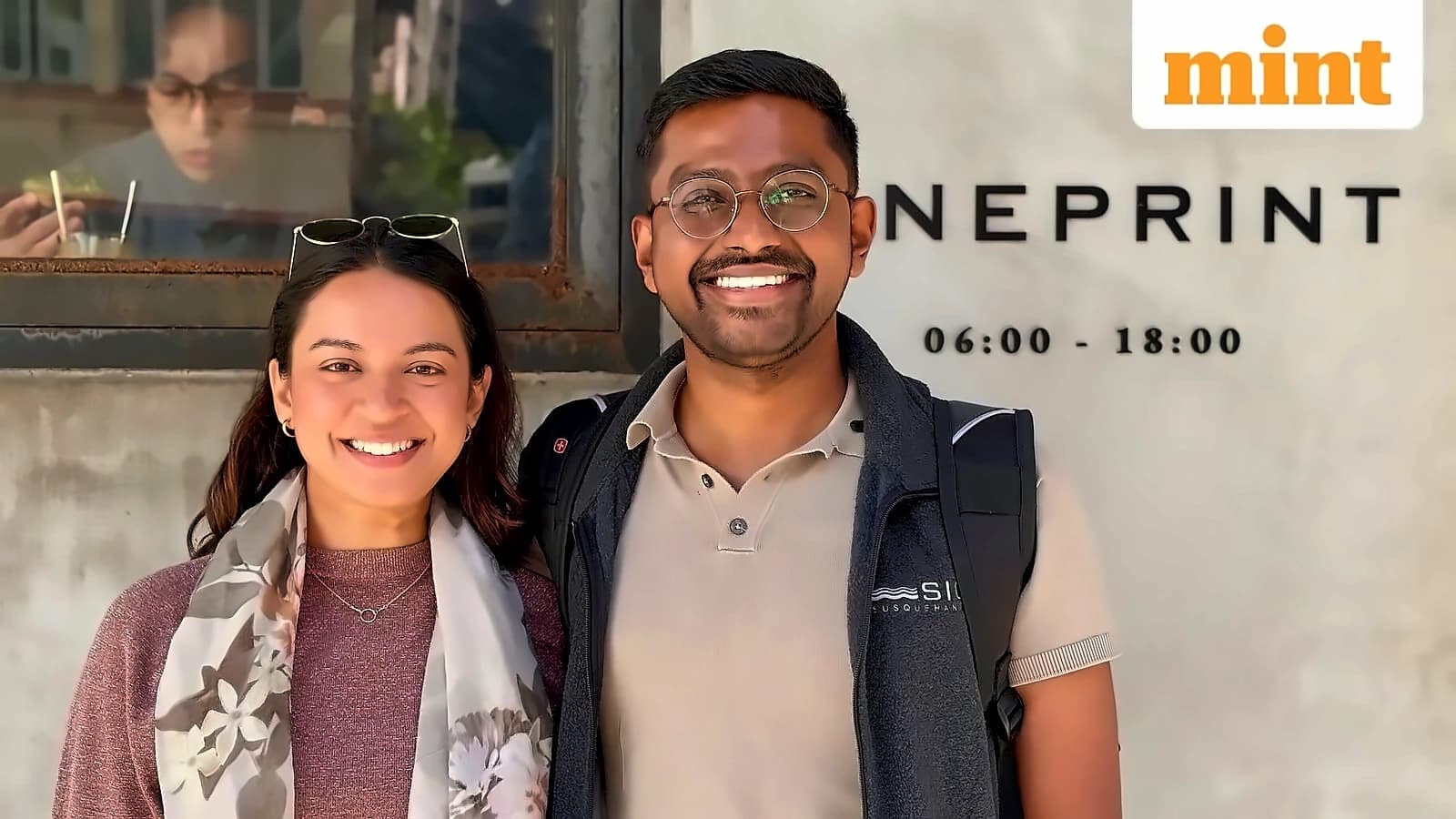
As reported by Mint, Hong Kong's low-tax regime provides significant relief for high earners. Salaries are taxed at progressive rates of 2%, 6%, 10%, 14% and 17% on net chargeable income, with a standard rate of 15% on the first HK$5 million and 16% on amounts above that since 2024-25. Sharma estimates the couple's effective tax rate at around 15%. In comparison, income above ₹24 lakh in India faces a maximum marginal rate of 39% after surcharge and cess. For income equivalent to HK$5 million (about ₹1.8 crore), the effective tax rate is 32.9% in India versus 15% in Hong Kong. "We love paying low taxes here," Sharma laughed, explaining how lower taxes effectively help finance the higher cost of living.
According to Mint reports, Hong Kong offers substantial public services that help offset living costs. The couple benefits from public transport fare subsidies providing a one-third refund on monthly expenses exceeding HK$500 (₹6,000), capped at HK$400 per month. Public utilities, groceries, and daily commute together account for about 10% of household income. Public healthcare facilities are widely used, though waiting times can be long, while public swimming pools and sports facilities cost approximately ₹200 per visit. The couple also uses government-subsidised sports facilities, including swimming pools and basketball courts, which Sharma describes as world-class and easily accessible. "These are world class facilities and a visit, say to the public swimming pool, costs about ₹200," she said. Children receive free public schooling, unlike India where private schooling is more prevalent.
As reported by Mint, Hong Kong offers opportunities in finance, banking, and luxury retail sectors. For Sharma and her husband, who work in venture capital, the field is relatively smaller as much of the region's technology and VC ecosystem is in mainland China. Starting a business proved surprisingly easy, with incorporation requiring HK$1,500 (₹18,266) in registration expenses and no minimum capital requirement for full foreign ownership. However, day-to-day operations face challenges due to expensive office space and requirements for local company secretary and registered address. "It's one of the easiest places I've come across to set up a business," Sharma said, noting that there was no minimum capital requirement and full foreign ownership is allowed. For accompanying spouses, eligible dependents can generally work without separate employer sponsorship, widening career options available to expat couples.
According to Mint reports, the couple continues investing in Indian stock markets through ETFs and mutual funds, with 40-50% of their portfolio exposed to US and Chinese capital markets. Their primary financial goal is achieving financial freedom by age 45 through creating passive income and becoming debt-free. While they love Hong Kong's city culture and proximity to India, they plan to explore other countries before settling, citing convenience and family ties in India as factors to consider. "We want to explore as many different countries as possible before we have kids and hence would not want to settle here immediately," Sharma said, noting that Hong Kong is a top candidate for eventual settlement given all the convenience, opportunities and family in India.