As heavy rains lash several parts of the country, insurance experts emphasize that monsoon damage extends beyond traditional flooding scenarios. According to Mint reports, monsoon-related claims encompass a wide range of unexpected losses including flooded homes, damaged furniture, electrical short circuits, overflowing tanks or pipes, roof damage and fallen trees. However, as noted by Manju Dhake, Head – Insurance Advisory & Partner at 1 Finance, heavy rainfall alone does not automatically make a claim admissible under home insurance policies. The latest developments show that surface and flash flooding may require separate flood insurance, with runoff, groundwater, sewer backup, roof damage, long-term leakage, maintenance, repeated seepage, plumbing failures, wildfire runoff, and mud-related losses involving different policy questions.
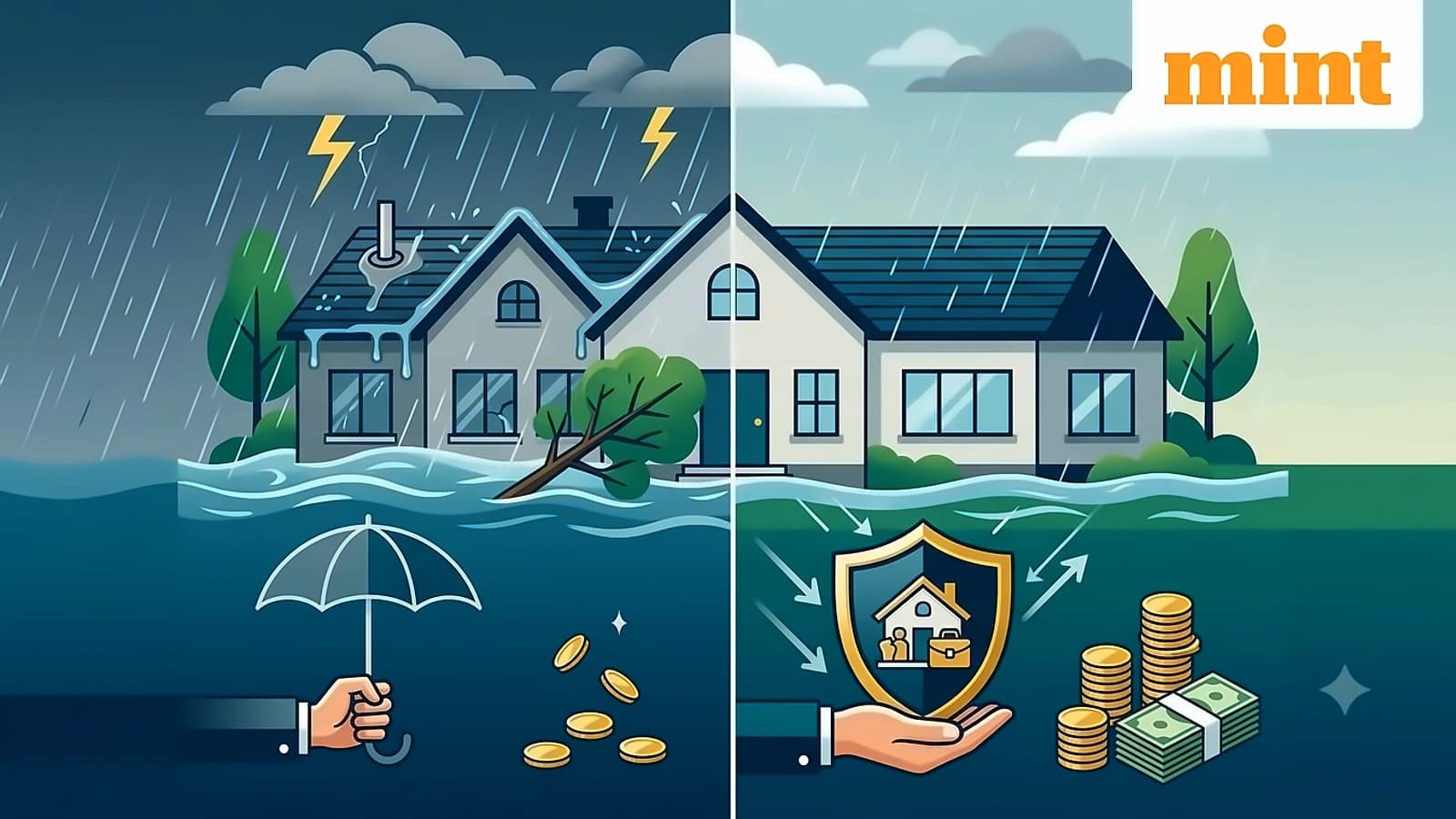
Standard home insurance policies generally cover damage caused by insured events such as floods, inundation, storms, and the bursting or overflowing of water tanks and pipes. As reported by Mint, the key determining factor is the proximate cause of the loss - if damage results from a sudden and identifiable insured event, the policy is likely to respond. For example, floodwater entering a home and damaging flooring, furniture or electrical appliances may be covered, while gradual seepage, damp walls, peeling paint, poor maintenance or construction defects are generally excluded. The latest guidance indicates that policy wording and insurer review control coverage, with documentation supporting review but not guaranteeing payment or approval. Different water categories and depths affect scope, with material-specific readings and documented progress often needed, especially after water remained in cavities or affected several rooms.
Home insurance extends beyond property ownership, with tenants facing significant financial risks during monsoon seasons. According to Mint reports, while homeowners should insure both building structure and household contents, tenants should consider policies protecting their own belongings including furniture, electronics, appliances and other personal possessions. The landlord's insurance policy typically covers only the structure and not tenant's belongings, making separate coverage essential for renters. Recent developments show that tenants should verify legal identity, insurance, applicable licensing or registration, written scope, exclusions, water-category rationale, readings, drying logs, equipment records, demolition approval, and separate mitigation and restoration invoices when selecting providers.
Insurance experts recommend against treating home insurance as a standard purchase, instead advocating for policy selection based on ownership, occupancy and actual risks faced by the household. As noted by Dhake, with extreme weather events becoming more frequent, reviewing home insurance before the peak monsoon season could help households avoid substantial out-of-pocket expenses if unexpected events cause damage. The timing is crucial as preventive measures like waterproofing terraces and clearing drains may reduce physical damage but may not protect against financial losses from insured events. Recent guidance emphasizes that coverage depends on the cause, policy wording, exclusions, endorsements, deductible, limits, documentation, and insurer review, with separate flood insurance potentially relevant for surface and flash flooding scenarios.