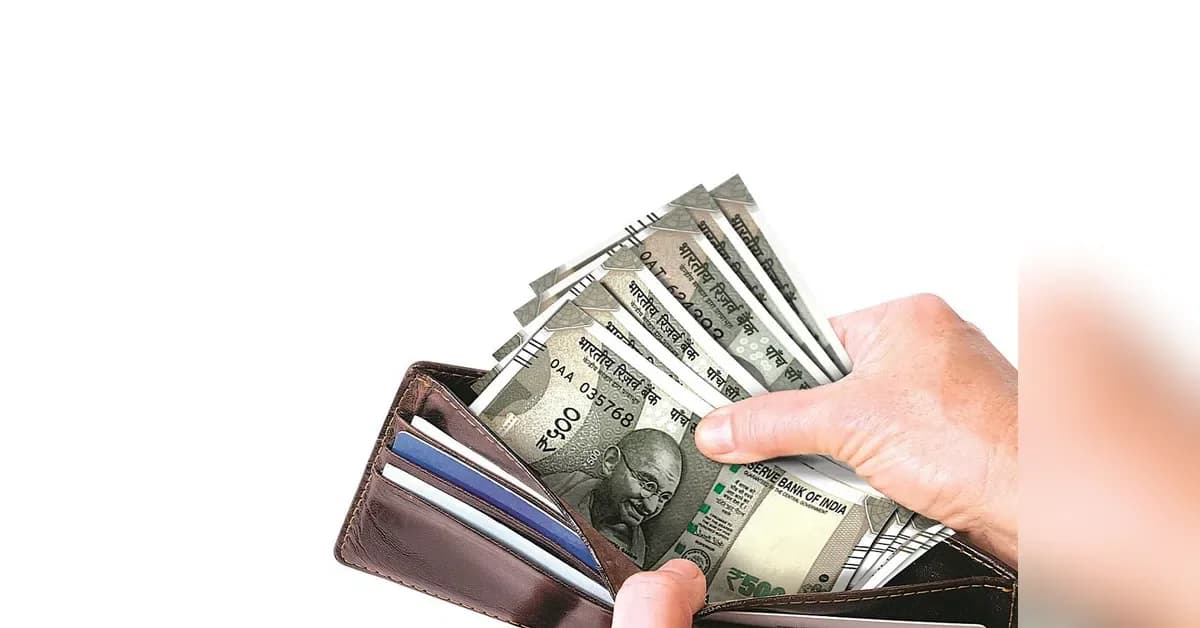
A salary hike shortly before resignation can significantly impact gratuity calculations for employees with extended service. According to reports from The Economic Times, for employees who have spent several years with the same company, the difference can be meaningful. A higher salary near the end of employment may increase the gratuity amount, but only if the revised salary has actually become effective and forms part of the wages considered for gratuity. However, the situation would be different if a salary hike was announced but scheduled to take effect after the employee's last working day. In that case, the higher amount would not normally be the last-drawn wage.
Under the current gratuity provisions, the calculation is based on the employee's last-drawn wages at the time of resignation, retirement, superannuation, or other eligible exit. As reported by The Economic Times, the Labour Ministry has clarified that from November 21, 2025, gratuity is calculated under the Code on Social Security, 2020 using the rate of wages last drawn by the employee. The calculation method ensures that employees receive gratuity based on their actual last-drawn wage at the time of exit, regardless of how long they received the higher salary. However, employees often look at their Cost to Company (CTC) when estimating gratuity, but CTC can contain several items that are not treated in the same way for statutory wage calculations. Under the Labour Codes, wages generally include basic pay, dearness allowance, and retaining allowance, if any. There is also a 50 per cent rule: if specified allowances and benefits exceed half of total remuneration, the excess is added back to wages for statutory calculations.

For illustration purposes, consider an employee earning ₹50,000 monthly who received a salary revision to ₹60,000 in January and resigned in March. According to The Economic Times, if the revised salary had already taken effect and ₹60,000 was the employee's last-drawn wage when employment ended, the gratuity calculation would generally use the revised figure. The fact that the employee received the higher salary for only a few months does not by itself mean the old salary should be used, as what matters is the applicable last-drawn wage at the time of exit. However, employees with a CTC of ₹15 lakh should not simply divide the annual CTC by 12 and use that number for gratuity, as the salary structure needs to be checked first to determine eligible wages for statutory calculations.
For every completed year of service, or a part of a year exceeding six months, gratuity is payable at the rate of 15 days' wages based on the last-drawn wage. As reported by The Economic Times, for a monthly-rated employee, the commonly used calculation is: Gratuity = Last-drawn eligible monthly wages × 15 ÷ 26 × years of service counted. Considering an employee with ₹60,000 last-drawn wage and 9 years of service, the calculation would result in approximately ₹3.12 lakh, compared to around ₹2.60 lakh if the last-drawn wage remained at ₹50,000, representing a difference of roughly ₹52,000.
For a regular employee resigning from a company, gratuity generally becomes payable after at least five years of continuous service. According to The Economic Times, the five-year condition is not required in certain cases, including death, disablement, and eligible fixed-term employment situations. This threshold ensures that employees receive gratuity benefits only after a substantial period of service with the organization. For example, an employee whose last-drawn eligible wage after a salary revision is ₹60,000 and has completed 8 years and 8 months with the company, since the period beyond eight years is more than six months, nine years would generally be counted for gratuity calculation.