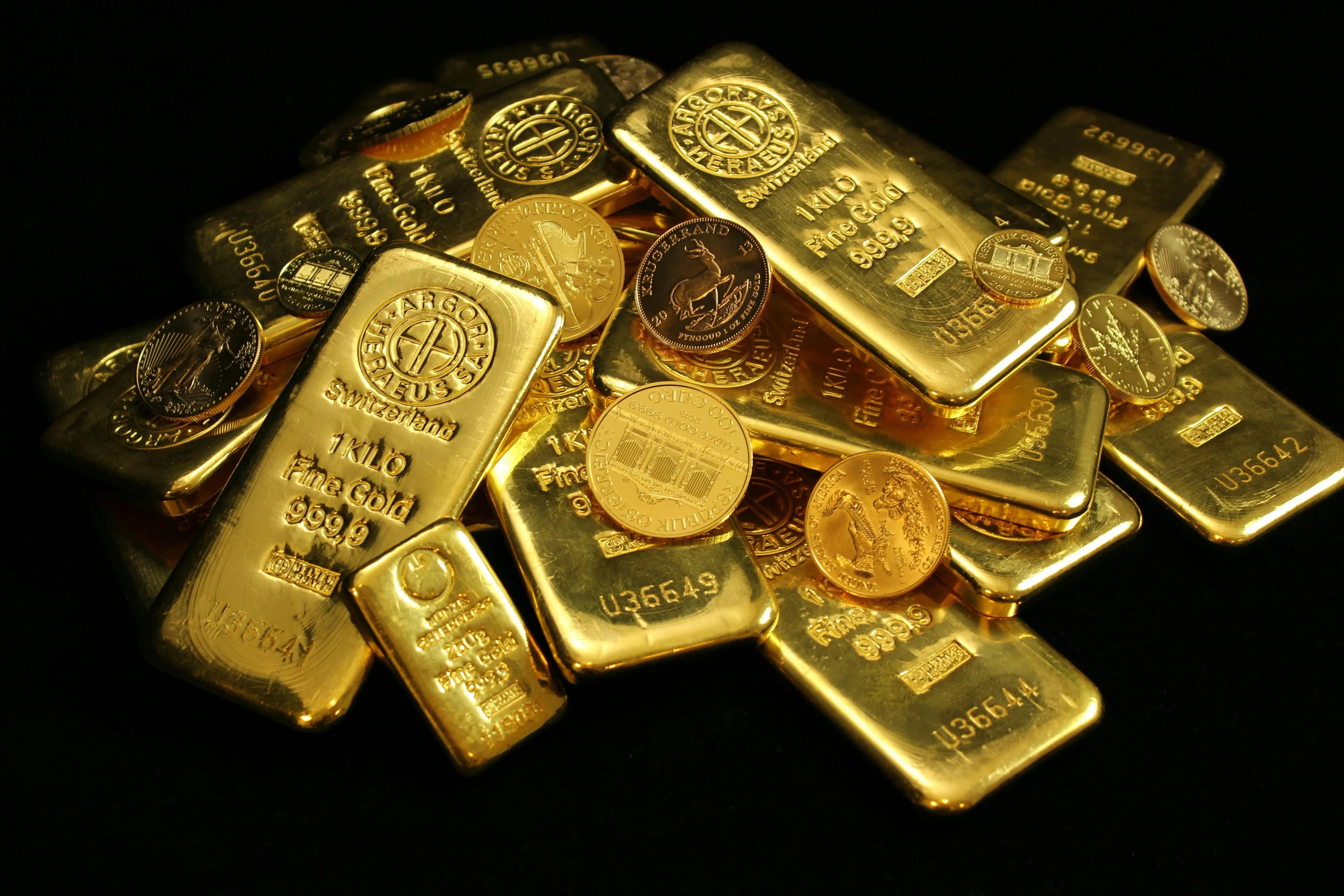
Gold and silver prices have witnessed significant decreases in today's market, with the India Bullion and Jewellers Association reporting 22K gold jewellery pricing at ₹12,775 per gram across major brands. This represents a notable reduction from previous week levels, with other jewellery retailers also reporting substantial price cuts. The latest figures indicate a pronounced drop in precious metal prices, providing potential opportunities for investors seeking gold exposure. Gold has fallen from a January record near $5,600 to around $4,000, heading for its biggest annual drop in 11 years, while crude oil has surged 12% in October following geopolitical tensions. As per The Economic Times, this represents primarily an inflation-to-rates story, with positioning as the amplifier for the current correction.
According to reports from Mint, gold buying during Dhanteras is traditionally for consumption rather than investment, but the choice of gold instrument significantly affects actual returns. Gold ETFs are generally the most efficient option for investors seeking gold price exposure due to lower costs and ease of buying and selling. Chirag Muni, Executive Director at Anand Rathi Wealth Limited, recommends keeping gold allocation within 5-10% of an overall investment portfolio and treating jewellery primarily as consumption-led purchases. As per BIS guidelines, consumers should verify hallmarking details including the BIS logo, purity in carat and fineness, and the six-digit HUID using the BIS Care app before purchasing. The Economic Times analysis suggests gold serves as portfolio ballast while offering tail-risk insurance to protect purchasing power, with a recommended allocation of 8-12% for a five-year investment horizon.
As reported by Mint, gold jewellery carries making charges ranging from 5% to 25% depending on design and jeweller, while gold coins generally have lower premiums. During resale, making charges and GST are not recovered, and buyers may face additional deductions. Muni explains that even if gold prices rise, investors' actual returns can be significantly lower than underlying gold price increases due to these costs. The final jewellery price includes gold value, making charges, stone value, and applicable taxes, with intricate handcrafted designs having higher making charges than simpler jewellery. Buyers should also evaluate purity, certification, and jeweller buyback policies when considering coins. The Economic Times notes that retail investors should generally avoid treating broad commodities as a standalone asset class due to high volatility, negative roll yields, and lack of cash flow.

According to Mint reports, gold ETFs offer exposure to domestic gold prices without physical purchase requirements, listed on stock exchanges and traded through demat accounts. Muni highlights that Gold ETFs are the most efficient method as they offer zero making charges and storage charges while providing ease of buying and selling. However, ETFs have expense ratios, brokerage costs, and potential tracking errors that can marginally differ from domestic gold prices. Liquidity considerations include trading volumes and bid-ask spreads. Gold mutual funds provide another route to gold exposure, with schemes potentially investing in Gold ETFs or other permitted instruments, though investors should avoid choosing funds based solely on recent returns. The Economic Times recommends Gold ETFs as the most direct rate trade, priced like a financial asset that re-prices with real rates and the dollar, making it the most efficient method for portfolio diversification.
As reported by Mint, Sovereign Gold Bonds offer 8-year maturity with 2.5% annual fixed interest and can be redeemed after five years, but no fresh SGB tranches have been issued since February 2024. Secondary market buyers must evaluate liquidity, premiums, and remaining maturity, with bonds trading at premiums or discounts based on demand and supply. Following Budget 2026 changes, capital gains tax exemption is restricted to original subscribers, excluding secondary market buyers. Electronic Gold Receipts (EGRs) represent gold through India's securities-market infrastructure, with SEBI distinguishing them from unregulated digital gold offerings. The Economic Times analysis suggests avoiding industrial commodities entirely in core retail allocations due to acute cyclical volatility and overlap with global equities.
According to Mint analysis, gold provides diversification and hedges against economic uncertainty but generates no regular income like fixed-income investments. Muni recommends 5-10% gold allocation as a partial replacement for debt in long-term portfolios. The choice should depend on purchase purpose, with jewellery suitable for consumption, coins for physical ownership, gold ETFs for price exposure, and SGBs requiring careful secondary market scrutiny. The Economic Times recommends a disciplined framework of Equities for growth, Bonds for income, and Gold as portfolio ballast for a five-year investment horizon. For retail investors, silver offers a higher-beta growth opportunity at 0-3% allocation while industrial commodities should be avoided entirely in core retail allocations. Physical jewellery remains popular for weddings, festivals, gifting, and cultural traditions, but investors should compare costs with other gold investment products if their sole objective is investment exposure.