
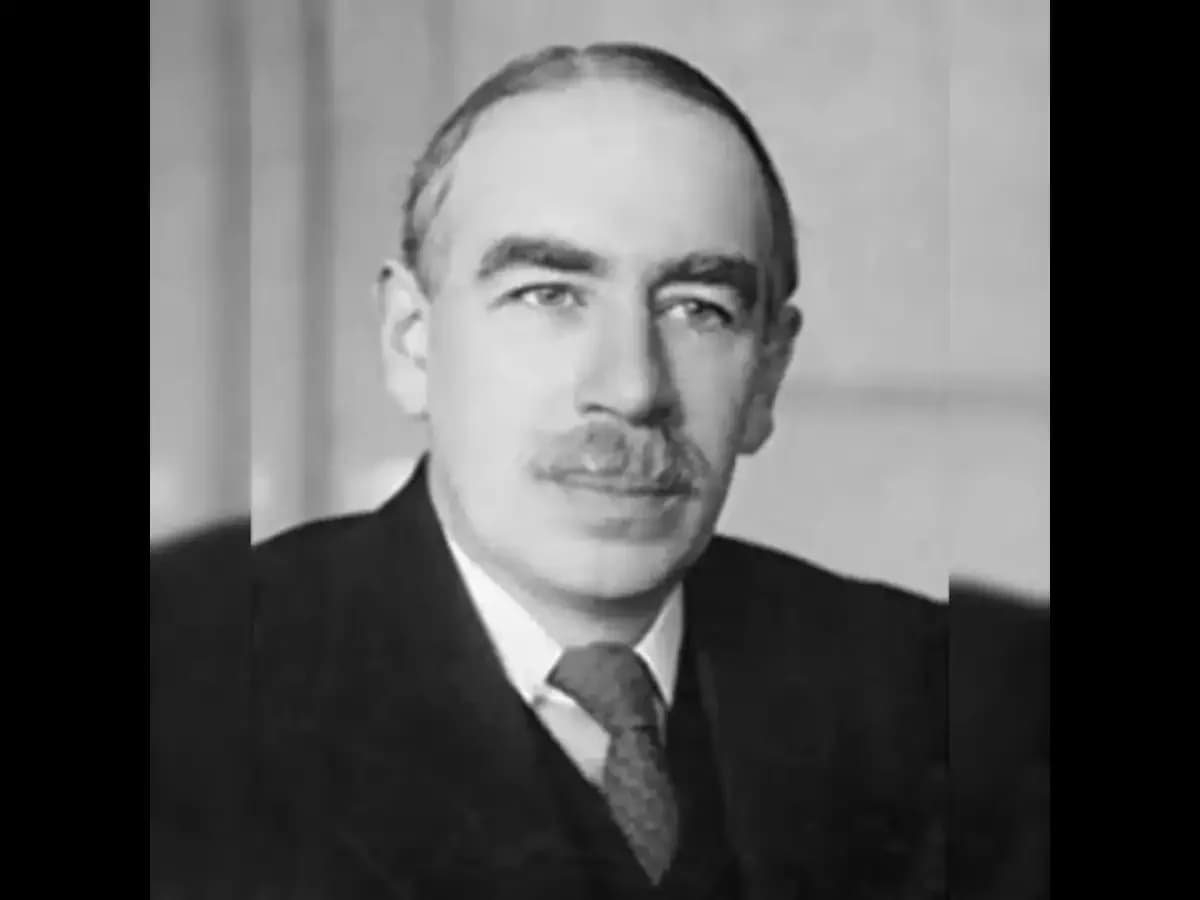


Legendary investor and psychologist Fred C. Kelly argued that successful investing isn't about predicting the future better than everyone else—it's about understanding crowd psychology and resisting emotional impulses that lead to poor decisions. According to reports from The Economic Times, Kelly's classic book, 'Why You Win or Lose: The Psychology of Speculation', explains why following the crowd often leads to losses and how patience, discipline and independent thinking can help investors avoid costly emotional mistakes.
Kelly observed that 'If everybody tried to buy when prices are low, then bargains would never exist', explaining that opportunities arise only because most people fail to recognize them. As reported by The Economic Times, he argued that the majority loses because it behaves in the most natural—and emotionally driven—way, with investors selling their best-performing stocks too early while stubbornly holding on to losing investments hoping for recovery.
Kelly identified four psychological traits that repeatedly derail investors: vanity (investors hate admitting mistakes and continue holding losing stocks while quickly selling profitable ones to protect ego), greed (which destroys patience by chasing expensive stocks during euphoric markets instead of waiting for attractive valuations), the will to believe (hope pushing investors into speculative bets on risky stocks despite weak fundamentals), and blind logic (what feels logical in markets is often wrong, with buying after strong rallies and selling after prolonged declines frequently resulting in buying high and selling low).
According to The Economic Times report, Kelly described a familiar pattern of investor behavior: investors buy cautiously at the beginning of a rally, confidence turns into overconfidence as prices rise, greed encourages holding expensive stocks even as valuations become excessive, every decline is dismissed as a buying opportunity, and only after widespread pessimism sets in do they finally sell—often near the market bottom. He also warned against assuming that a stock is cheap merely because it trades below its previous highs, noting that lower price alone doesn't necessarily make a stock a bargain.
As reported by The Economic Times, Kelly cautioned against expecting quick riches without preparation, arguing that the stock market rewards patience, study and temperament far more than luck. His message emphasized understanding crowd behavior, learning from its mistakes, and avoiding following it blindly, with long-term investment success belonging to those who remain patient, disciplined and willing to think independently rather than reacting emotionally to market movements.