According to the Federal Deposit Insurance Corporation (FDIC), the average savings account yields 0.38% as of June 2026. However, this figure is weighed down by the majority of accounts that offer little to no return on deposits. High-yield savings accounts (HYSAs) can offer much better rates, with some institutions providing APYs over 4.00%. Online-only savings accounts typically provide higher interest rates compared to accounts at institutions with brick-and-mortar branches. The Federal Reserve maintained the federal funds rate at 3.50%-3.75% at its June 17, 2026 FOMC meeting, stating that economic activity is expanding at a solid pace despite elevated uncertainty.
Certificates of deposit (CDs) have experienced significant rate reductions - top rates dropped from nearly 6% in the summer of 2024 to below 5% in January 2025. The upside of CDs is that investors are locked into the interest rate for the full term length. For example, a 4.50% CD lasting two years guarantees that rate of return for the entire two years regardless of Fed funds rate changes. However, CDs require investors to leave their money untouched for agreed periods ranging from three months to five years, making them less liquid than savings accounts.
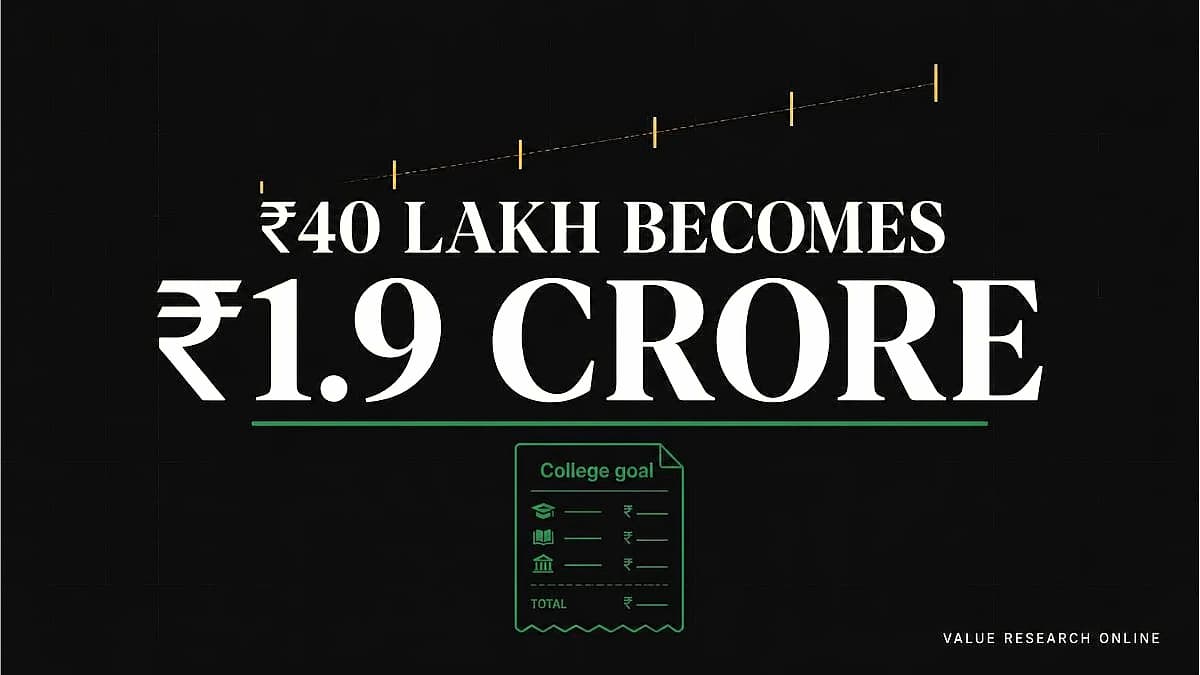
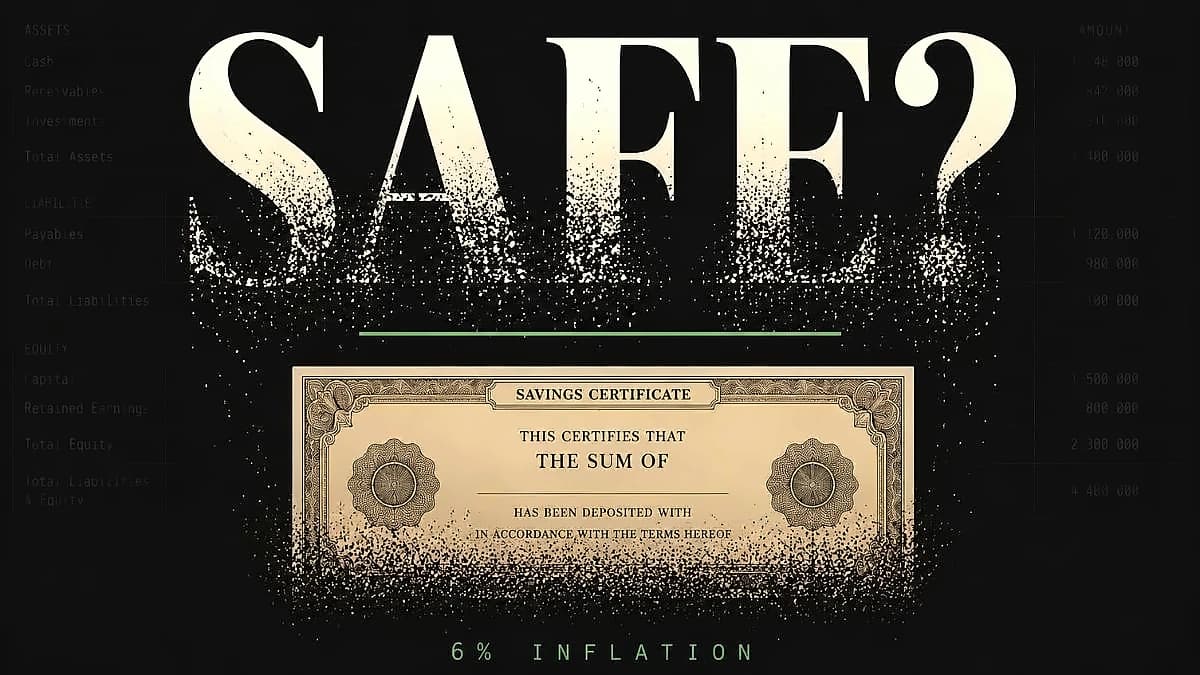
According to recent financial analysis, fixed deposits guarantee capital protection but not goal achievement. While FDs provide safety for principal amounts, they may not keep pace with the rapidly escalating costs of education. This fundamental distinction between capital protection and real-world financial goals is crucial for investors planning for their children's education expenses. The analysis highlights that traditional savings instruments like FDs may not provide adequate coverage for the substantial increases in educational fees and related costs over time.
As reported by financial experts, education costs are climbing far faster than general inflation rates. This trend creates a significant gap between the purchasing power of fixed deposits and actual education expenses. The analysis highlights that traditional savings instruments like FDs may not provide adequate coverage for the substantial increases in educational fees and related costs over time. The Federal Reserve's decision to maintain rates reflects its belief that the economy is roughly on track, with strong productivity growth and capital investment supporting current economic conditions.
The analysis emphasizes the need for investors to consider the long-term inflation-adjusted cost of education when planning for their children's future. While fixed deposits offer safety and stability, they may not be the optimal solution for education funding given the accelerated pace of educational cost inflation. Financial advisors recommend that investors should evaluate alternative investment options that can potentially keep pace with rising education expenses, including specialized schemes designed for specific investment needs. Government bonds, particularly U.S. Treasury bills and bonds, offer stability and safety without default risk, according to Sean Snaith, director of the University of Central Florida's Institute for Economic Forecasting. However, investors should shop around at different financial institutions for the best options available.