The Financial Independence, Retire Early (FIRE) movement, popularized by movies like Zindagi Na Milegi Dobara in 2011, faces significant mathematical challenges as life expectancies continue to rise. According to reports from NDTV Profit, life expectancy is expected to reach 90 years in the US, Hong Kong, and Japan by 2060, and 80 years in India during the same period. This means people retiring at 40-45 years old may need to fund their expenses for 50-60 years rather than the traditional 30-40 years. The analysis suggests that the current FIRE model, which assumes 15-20 years of working funding the next 30-40 years, becomes less viable when life spans extend significantly.
Inflation emerges as a critical challenge for FIRE plans, with financial models assuming 6-7% inflation in India and 2-3% for the US. As reported by NDTV Profit, these assumptions face several complications including potential spikes that could drain pockets by 20-40% in multiple years. The analysis highlights that consumer spending patterns often differ from the Consumer Price Index (CPI) basket, with lifestyle upgrades from economy class to business class, or from basic goods to premium items. Additionally, Baumol's cost disease affects services like healthcare, education, and hospitality, which typically increase faster than general inflation. Healthcare inflation presents a particular challenge as employer-provided health coverage disappears after retirement, making it one of the biggest financial risks for extended lifespans.
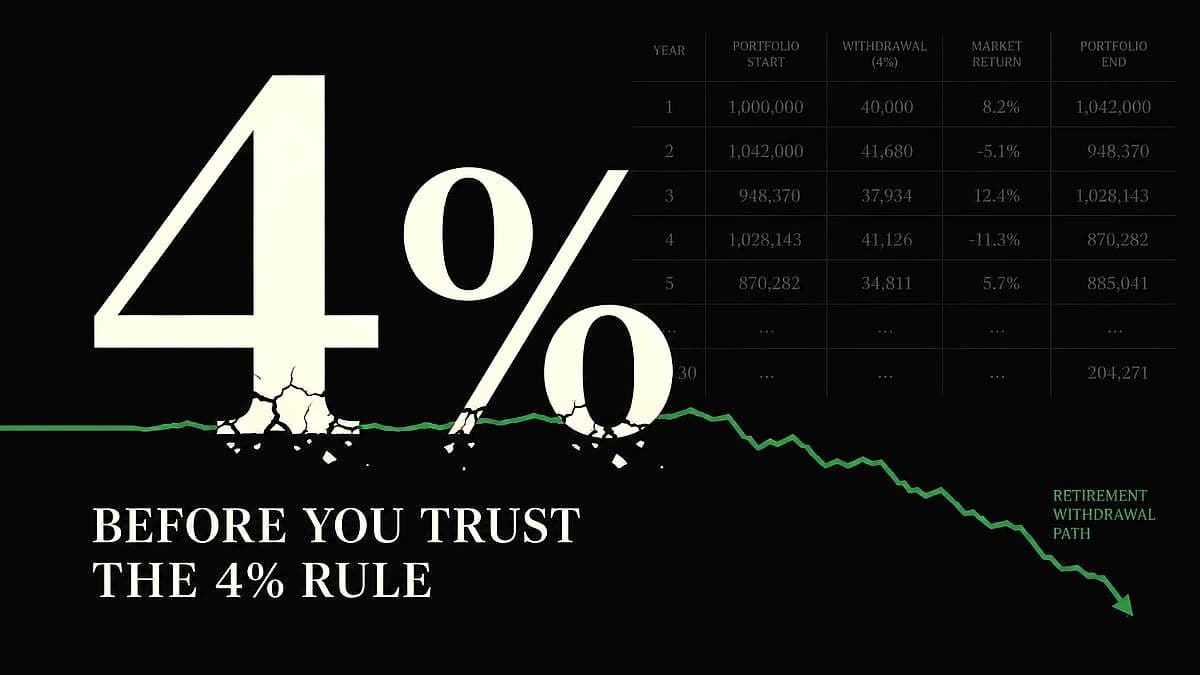
FIRE frameworks typically assume stable macroeconomic conditions, but historical evidence suggests this may not be sustainable. According to NDTV Profit analysis, wars, sanctions, political instability, and capital controls can permanently alter a country's economic trajectory. The report cites examples from countries like Argentina, Zimbabwe, and Iran to demonstrate how economic stability can deteriorate over time. Stock market volatility presents additional challenges, with sequence of returns risk being particularly problematic for FIRE retirees. If markets crash after retirement, forced withdrawals to cover expenses can weaken portfolios, providing insufficient time for recovery.

FIRE models often fail to account for family responsibilities and career uncertainties that emerge with longer lifespans. As reported by NDTV Profit, most FIRE frameworks don't factor in children's education costs and aging parents' care requirements, making projections increasingly difficult for financial experts. The analysis also highlights employment challenges, noting that finding jobs at 50 that sustain the same lifestyle becomes increasingly difficult, particularly as AI reshaping industries could make career transitions even more complex in the future. The traditional 4% withdrawal rule, built for a 30-year retirement horizon, is being rewritten by experts who now recommend 3.3-3.9% as a safer alternative for longer lifespans.