The Nifty 50 has posted a monthly gain of over 1% in October 2026, marking a surprising recovery after the previous month's sharp decline. According to Upstox, the index traded over 150 points higher on Thursday evening, with a potential to snap a two-month losing streak if it closes above 22,700 levels. The Sensex has outperformed with gains of over 1.5% this month, rising over 1,200 points after the previous month's 5.8% fall. However, the recovery comes against the backdrop of the worst Samvat year since 2014, with the Nifty down around 13% so far in the current Samvat year. As per The Hindu BusinessLine, Samvat 2082 is shaping up to be the worst Samvat year for investors since Prime Minister Narendra Modi assumed office in 2014.
IT stocks emerged as the top performers with gains of over 15% in October, led by affordable valuations and better-than-expected earnings growth. According to Upstox, TCS was the top gainer, surging 20% this month, followed by Wipro (+19%), Tech Mahindra (+14%), Infosys (+13.6%), Mphasis (+13.4%), and HCL Technologies (+11.5%). The IT sector's stellar recovery was driven by improved outlook with better visibility in deal wins and margins. Conversely, metal stocks declined over 7.4% this month, with major losers including Vedanta Aluminum, Hindustan Copper, NMDC, Steel Authority of India, and Hindustan Zinc falling as much as 17% amid profit booking after the stellar rally seen in H1 2026. Despite the sectoral gains, index breadth largely favoured losers with approximately 32 stocks trading in red versus 18 gainers for Nifty 50.
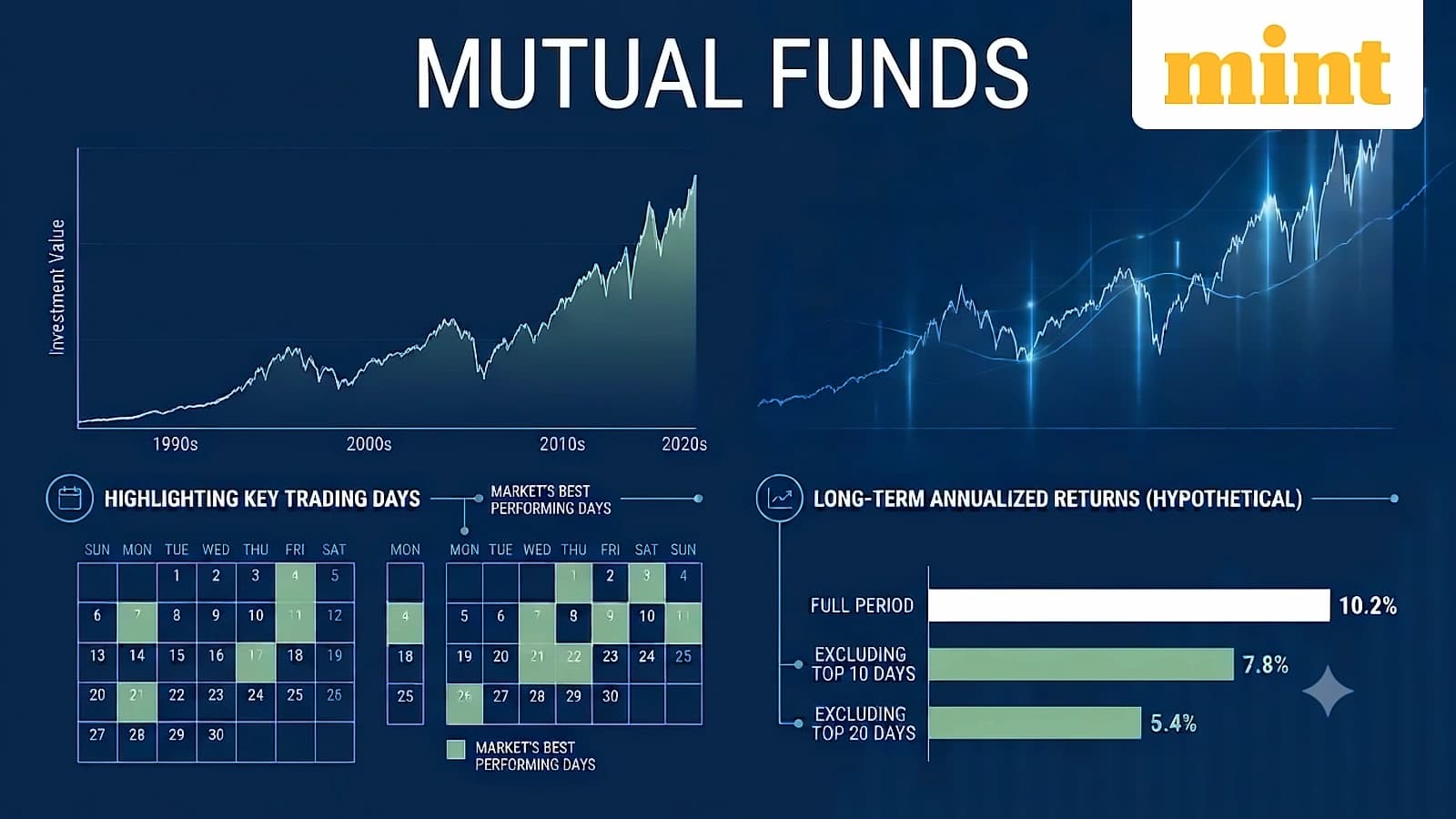
Historical data shows that the Nifty 50 recovered to its previous peak in around 91 days on average from the bottom of corrections. The longest recovery period followed the market crash in March 2025 and lasted until January 2026, when the index reached its previous all-time high. As reported by Abakkus Mutual Fund, this analysis demonstrates how missing a few strong market sessions can significantly impact long-term returns, with investors who stayed invested throughout the period from April 2005 to September 2026 recording higher returns than those who missed some of the market's best-performing days.
Despite the market decline, Nifty 50 companies are expected to report 20% profit growth in the September quarter, their fastest pace in three years. However, as per The Times of India, investors who had grown accustomed to annual earnings growth of 20%-25% should recognise that even 16% growth would be robust in an economy recording nominal growth of 10%-12%. Thyagesh Baba, non-executive director at Spark Capital Advisors, emphasized that future returns are likely to depend more on companies delivering earnings growth than on broad-based valuation gains. The focus shifts to whether companies can deliver sustainable profits rather than expectations of widespread valuation increases.
Market experts are expressing caution about the current correction phase and future prospects despite the October recovery. According to The Times of India, slowing economic growth, elevated crude oil prices and stretched valuations could continue to cap market returns. Baba noted that the index's outlook for next year would hinge on sustained earnings growth, foreign investors returning after record outflows, easing crude prices and a revival in private investment. He highlighted that India VIX has climbed above 30, signalling elevated uncertainty among traders, while the Nifty has slipped back to levels seen in May 2026. As per Axis Securities, the sharp sell-off towards the end of Samvat 2022 underscored the importance of earnings visibility, reasonable valuations and disciplined stock selection in navigating an increasingly uncertain market environment.