
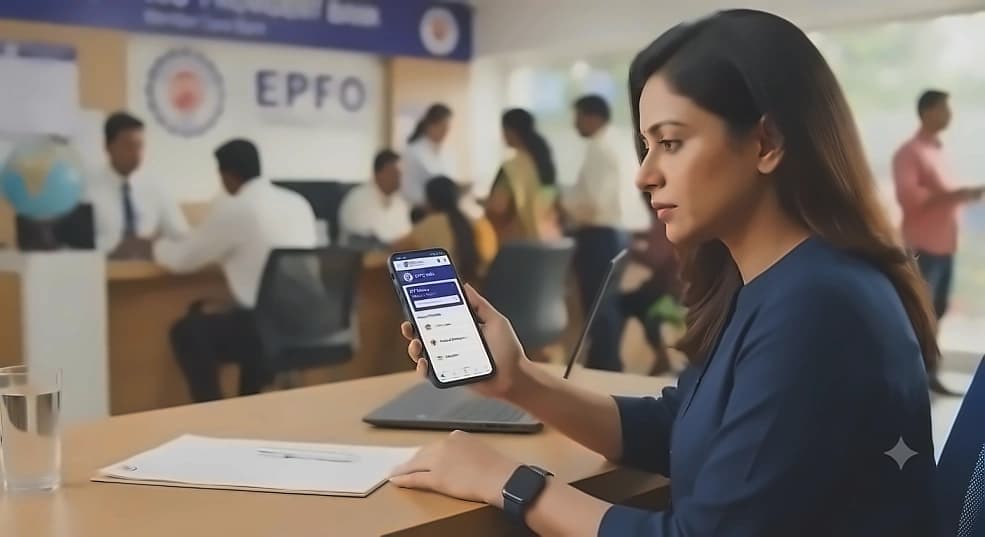

The Employees' Provident Fund Organisation (EPFO) has introduced new rules regarding partial withdrawals from the Provident Fund for specified purposes. According to reports from Zee News and Mint, the organisation has clarified the rules for EPF advances, describing the frequency of their withdrawal and the purposes those advances must pertain to. The new framework establishes three distinct categories for legitimate withdrawal needs.
Under the essential needs category, subscribers can make withdrawals for illness-related emergencies and medical expenses without any limit on the number of times. For education expenses, members are permitted to withdraw up to 10 times from their total EPF balance during the entire membership period. Additionally, marriage-related expenses allow withdrawals up to 5 times during the EPF membership period. As reported by Mint, medical treatment falls under the essential-needs category with unlimited withdrawal frequency subject to applicable rules, unlike other categories that have specific limits.
The housing-related needs category permits subscribers to withdraw amounts for up to 5 times during the EPF membership period. According to the new rules reported by Mint, eligible purposes include purchase of a house, flat, or plot; construction of the house; repayment of home loan; renovation, alteration or improvement of the house/flat. This category addresses major financial obligations related to property ownership and maintenance.
The special circumstances category allows subscribers to take advances for up to two times in a financial year for circumstances notified by the Central Board of Trustees (CBT). As reported by Mint, these special circumstances may include natural calamity, continuous unemployment, epidemic outbreak, or other exceptional situations. Members must clarify the reason for partial withdrawal under these circumstances when applying for advance.
According to the new framework reported by Mint, members can withdraw 75 percent of their EPF balance, including employer's and employee's shares and interest accrued, after completing 12 months of membership. To make premature withdrawal, members must use EPF Form 31 and submit it through the EPFO Member e-Sewa portal or physically at the concerned EPF office. The application requires correct linking of Aadhaar, PAN, UAN, and bank account details to avoid discrepancies in the withdrawal process.
As reported by Mint citing Cleartax, EPF withdrawals before completing five years of continuous service with amounts exceeding ₹50,000 in a financial year are taxable. TDS is deducted at 10% if PAN details are furnished, or at 20% if PAN is not available. However, employees whose total taxable income falls below the taxable limit can submit Form 121 to avoid TDS deduction. Members can withdraw up to 75% of their EPF balance immediately after losing or leaving a salaried job, while the remaining 25% becomes available only after completing 12 months of continuous unemployment.