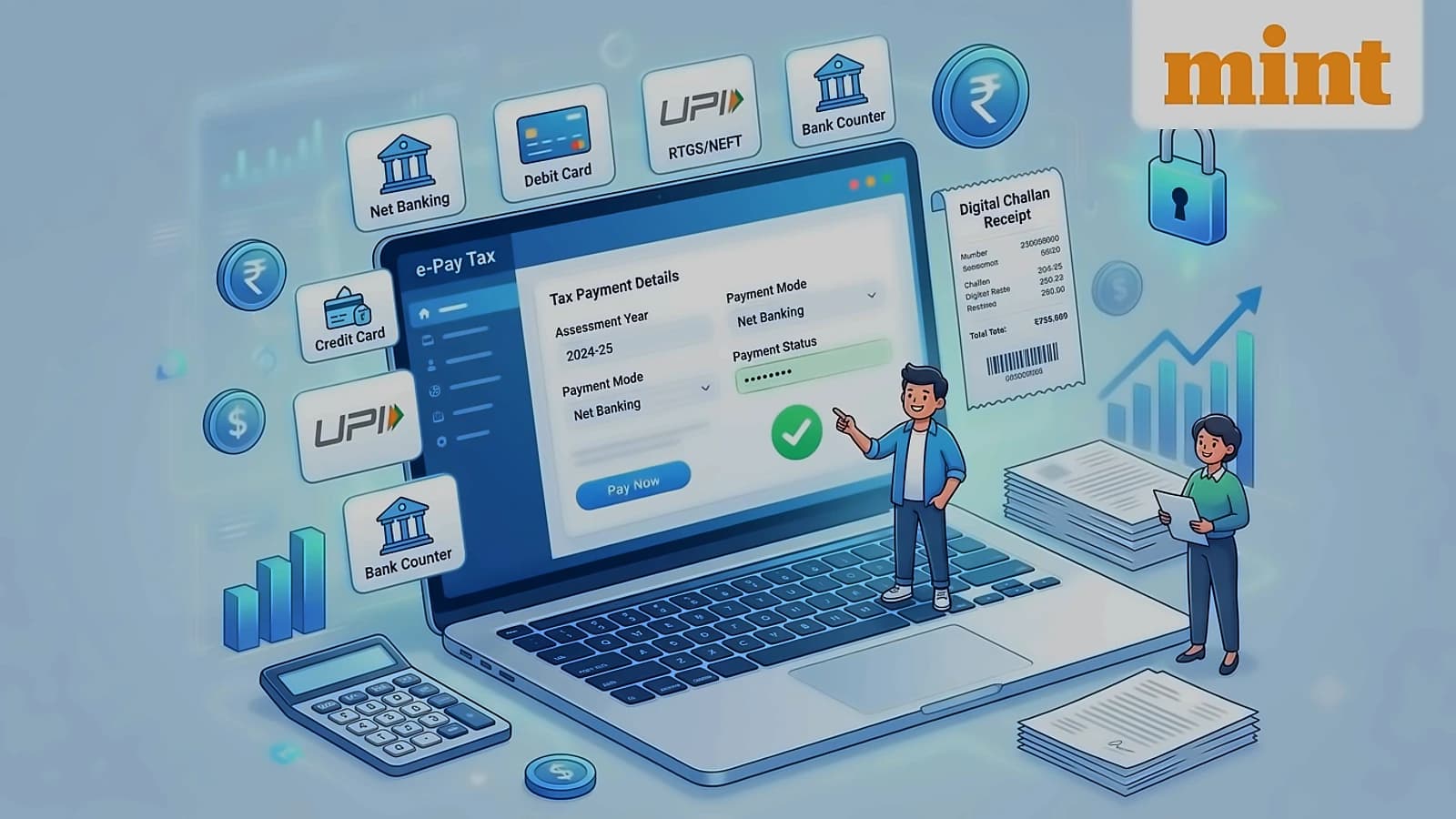
According to reports from Upstox Securities, borrowers have two primary options for making EMI payments: cheque payments and ECS/NACH mandate through direct debit. While both methods serve the same purpose of regular loan repayment, they operate through different mechanisms and carry distinct implications for borrowers.
As reported by Upstox Securities, ECS/NACH mandate offers several advantages over cheque payments. The direct debit system ensures automatic payment on the scheduled date without manual intervention, eliminating the risk of missed payments due to forgetfulness or postal delays. Additionally, ECS/NACH payments are processed directly from the borrower's bank account, providing instant confirmation of successful payment to the lender. The system operates through National Automated Clearing House (NACH), a centralised system implemented by National Payments Corporation of India (NPCI) to consolidate multiple ECS systems across the country, allowing paperless debit transactions between banks.
According to Upstox Securities, cheque payments carry significant risks that borrowers should be aware of. Cheques can be lost, stolen, or delayed in transit, potentially leading to late payment penalties and damage to credit scores. Additionally, cheques require manual processing by the lender, which can cause delays and create administrative work for both parties.
Recent reports highlight that EMI payments can fail for several simple reasons, with the most common cause being insufficient balance in the linked bank account during the debit attempt. Other potential issues include inactive mandates, wrong bank details, or temporary bank-side delays. To identify and resolve payment failures, borrowers should review their bank statement for any debit attempt, check whether the EMI still shows as unpaid, confirm the linked bank account and mandate are active, and look for SMS or app alerts related to the failed payment.
After completing car loan repayment, borrowers must complete several important tasks as explained by CarDekho. Get the final payment receipt from the bank after making the last EMI or prepayment. Within 2-3 weeks of repaying the car loan, borrowers should receive all documents from the bank via post at their registered address, including No Dues Certificate (NDC) or No Objection Certificate (NOC) from the bank along with other application documents. Borrowers should also collect the entire repayment statement from the bank, which will be useful for updating credit history in case of any discrepancies in their credit score and report.