Medium duration debt funds offer a strategic balance between risk and returns for investors with 3-5 year investment horizons. These funds maintain a Macaulay duration between 3-4 years, investing primarily in corporate bonds, government securities (G-secs), treasury bills, and money market instruments. According to Anand Rathi, these funds aim to capture higher yields on the yield curve while accepting moderate interest rate risk, making them suitable for investors with moderate risk appetite who can stay invested for medium-term periods. The funds offer liquidity with securities maturing in 3-4 years, allowing investors to access their money when required while providing competitive returns that manage interest rate risk effectively. These funds are ideal for investors looking for lower risk than pure equity funds while providing competitive returns and are particularly suitable for those with medium-term horizons or financial goals requiring 3-5 years of investment.
Investment in medium duration funds is accessible through two primary modes: Systematic Investment Plans (SIPs) and lump sum investments. As per Anand Rathi, the minimum SIP investment starts as low as ₹100, while lump sum investments require a minimum of ₹500-1,000. The funds are available through the Anand Rathi website and ARInvest app, where investors can filter by ''''''''''''''''Debt → Medium Duration Funds'''''''''''''''' to view available options. The platform allows specifying investment amounts and SIP frequencies based on individual financial plans and convenience. To invest, investors can visit the Anand Rathi website or ARInvest app to open their demat account or log in to their existing account, then go to the ''''''''''''''''Invest'''''''''''''''' section and filter using ''''''''''''''''Debt → Medium Duration Funds'''''''''''''''' to view options, specify the investment amount and for SIPs, the frequency, complete the transaction and track their investment in their account/dashboard.
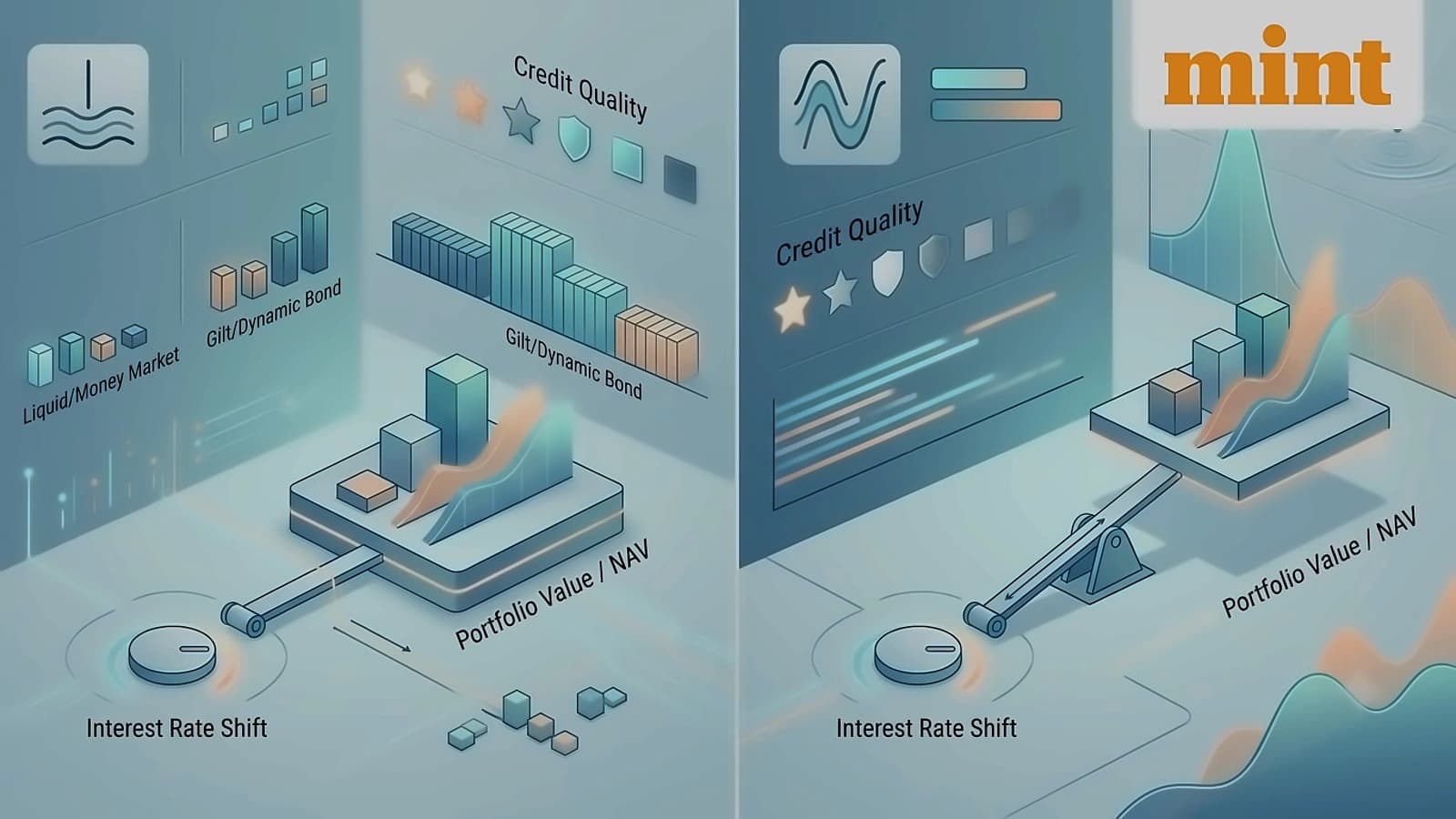
Before investing in medium duration funds, investors must evaluate several key factors to ensure alignment with their financial goals. According to investment experts, funds should have average maturity aligning with the 3-4 year investment horizon and investors must evaluate comfort levels with interest rate risk, credit risk, and potential market fluctuations. Investors should review bond ratings and security composition, as higher-rated instruments reduce default risk while lower-rated securities may offer greater potential yield but carry higher risk. Historical performance against benchmarks and similar funds provides perspective on consistency, though past performance does not guarantee future results. Medium duration funds are not risk-free even with moderate risk levels, making it crucial to evaluate comfort with various risk factors before investment. The recent market cycle has highlighted the importance of diversification, asset quality, portfolio composition, and liquidity as key evaluation criteria for investors.
Medium duration debt funds operate under specific tax regulations based on their purchase date. As per Anand Rathi, funds bought before April 1, 2023 but sold after July 23, 2024 are subject to Long Term Capital Gains (LTCG) at 12.5% without indexation and Short Term Capital Gains (STCG) at slab rates. Funds bought on or after April 1, 2023 are taxed at individual slab rates regardless of holding period. A lower expense ratio ensures more investment goes toward generating returns rather than fund management fees, making cost efficiency a crucial consideration for investors evaluating these medium-duration investment options.