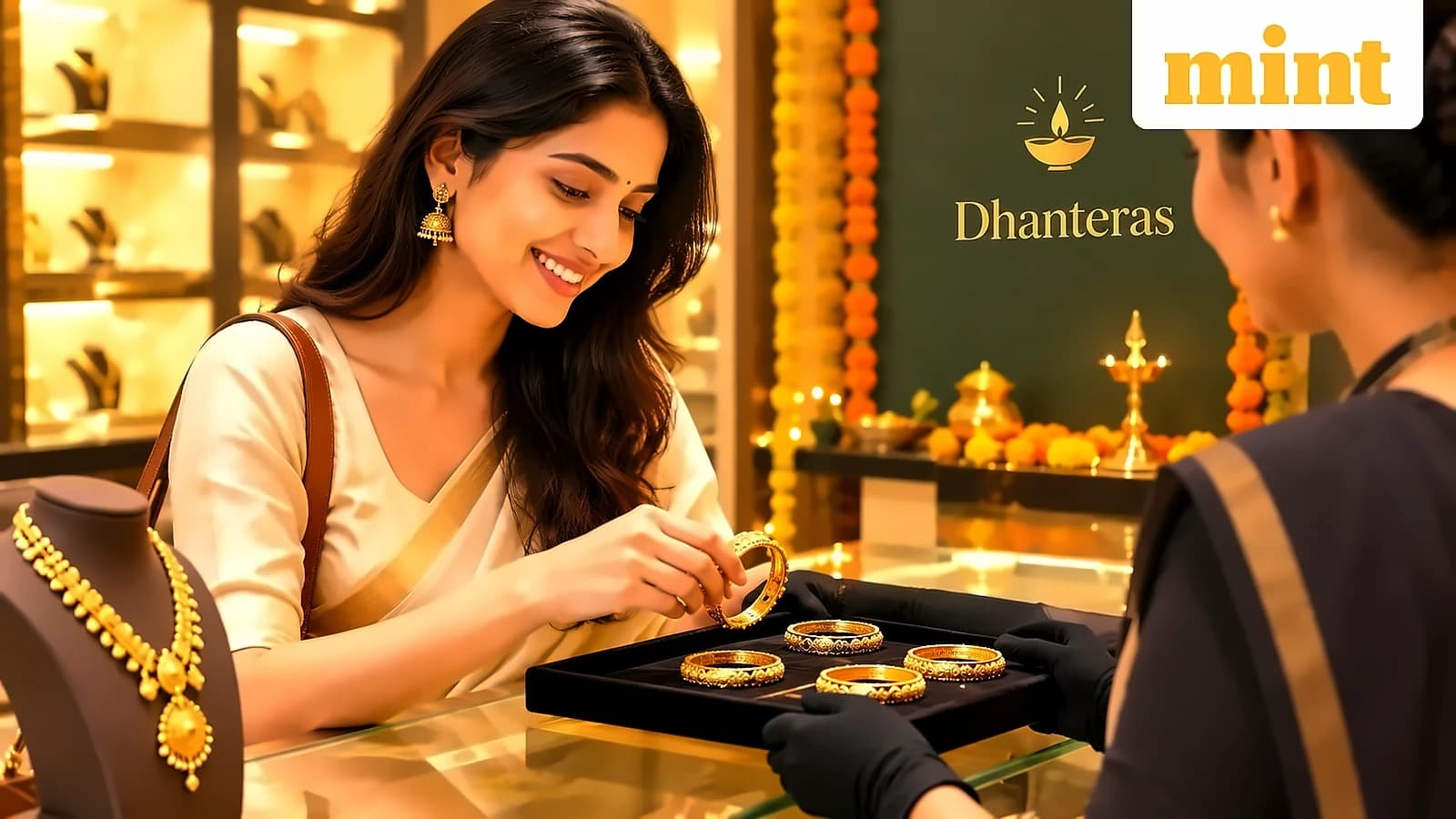
In 2026, Dhanteras falls on November 7 with Kali Chaudas or Narak Chaturdashi following on November 7-8 and Diwali Lakshmi Puja scheduled for Sunday, November 8. The Gujarati New Year is set for November 10 and Bhai Dooj on November 11. As reported by festival experts, this year's Dhanteras coincides with the traditional day for purchasing silver items, making it an opportune time for silver purchases. The festival rush creates unique market dynamics, with shops experiencing high footfall and prices moving quickly, making proper verification essential for buyers.
When purchasing silver jewellery, the first critical step is verifying purity levels. According to market guidelines, 925 sterling silver must contain 92.5% pure silver and 7.5% additional materials like copper. Buyers should check for the '925' mark on the piece, but this alone doesn't guarantee authenticity. As reported by market experts, customers should ask jewellers for proper documentation and applicable hallmarking details to ensure genuine silver content. For Dhanteras 2026, silver is considered particularly auspicious as it's linked with purity and the moon, making it a very popular and affordable festival purchase. Currently, 925 and 800 make up nearly 90% of hallmarked items, with anklets being the largest category and diyas next, generally in 800 and 925 purity grades.
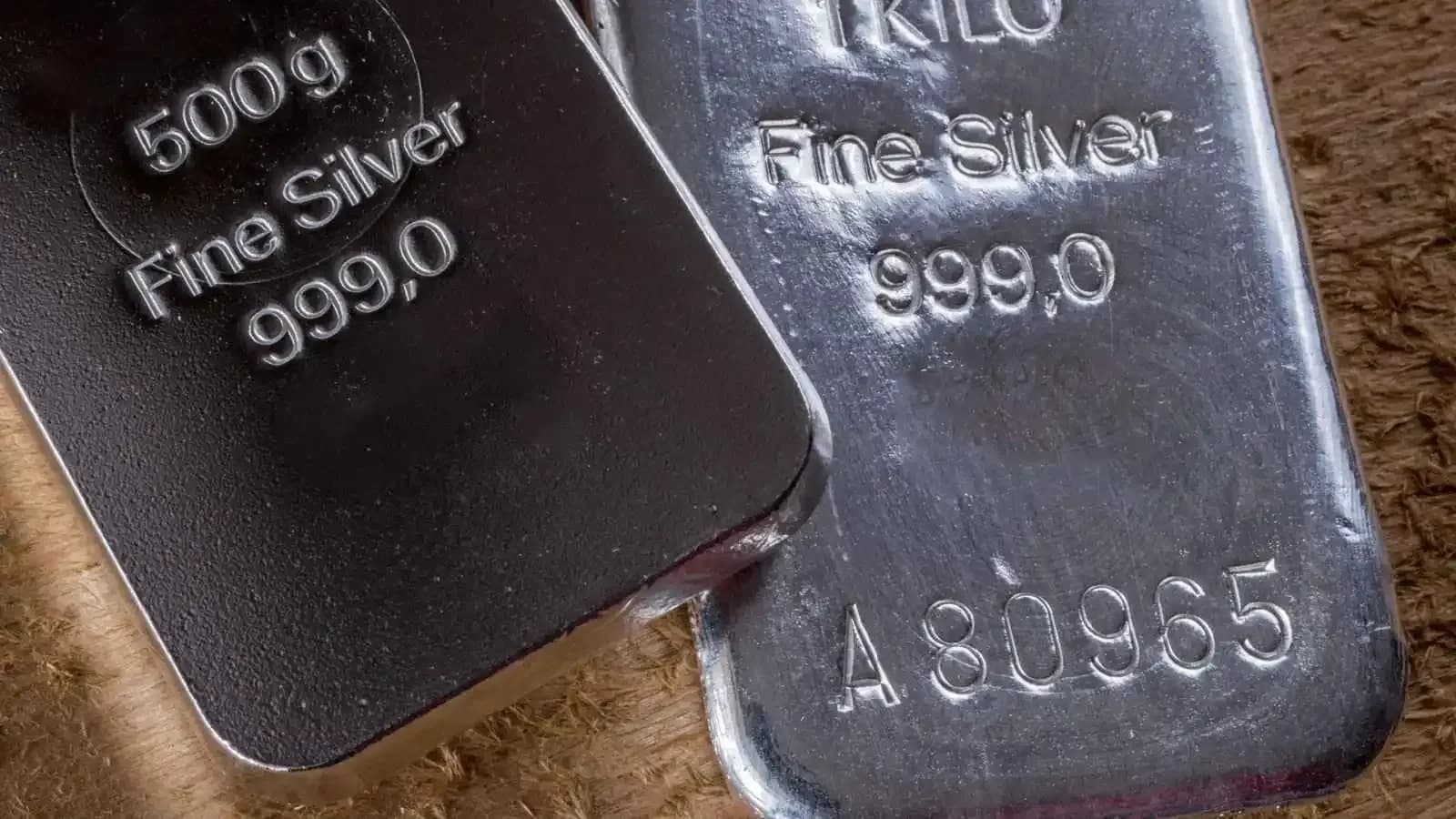
Silver hallmarking has been voluntary since its introduction in October 2005, unlike gold hallmarking which became mandatory from April 1, 2023. According to Amit Modak, Director of P. N. Gadgil & Sons, if a piece is hallmarked, it must carry the full HUID (Hallmark Unique Identification) mark. From September 1, 2025, silver articles submitted for hallmarking must carry a six-digit alphanumeric HUID under the revised IS 2112:2025 standard. The BIS Care app allows verification by entering this HUID code, which should show the article type, purity grade, jeweller details, and hallmarking centre. Buyers should check for the BIS logo, the word 'SILVER', a purity number such as 925 or 999, and a clearly laser-etched six-digit HUID before making a purchase.
A proper bill is essential for any silver purchase, as reported by market experts. The bill should specify detailed information including silver description, weight, cost, and tax details. Customers should avoid purchasing without proper documentation, as this can create uncertainty about the actual value and purity of the silver item. For Dhanteras shopping, buyers should ask for a bill that shows weight, rate, making charges and GST separately to ensure complete transparency. Without proper billing, buyers may face difficulties in verifying the authenticity of their purchase during the festival rush. Buyers should insist on an itemised bill showing weight, purity, rate and making charges and check whether discounts apply to the metal rate or making charges during Diwali sales.
Market experts advise against falling for extremely low prices when purchasing silver jewellery, as reported by industry sources. When one shop sells a silver chain for a very low price compared to others, buyers should take time to investigate the market rates. Customers should check silver prices, making charges, and overall pricing at two or three stores before making a purchase decision. During Dhanteras 2026, sharp objects like knives and scissors, black items, glass and aluminium utensils, and buying on credit are traditionally avoided by many families. Discounts are not always good deals, especially when the purity of the product remains unknown. Higher purity costs more per gram, so compare the purity grade and the rate per gram, not just the total, as explained by Amit Modak.