A failed EMI payment can result in penalties and lower credit scores, as lenders report such details to credit bureaus. According to Mint, when an EMI payment fails due to late salary credit, insufficient balance, or technical glitches, borrowers face more than just lender penalties - bounced EMI can also lower your credit score as details of missed or delayed repayments are reported to credit bureaus. If your bounced EMI is reported to credit bureaus such as CIBIL, it could potentially cause a drop of around 30 to 100 points in your credit score, though the impact varies depending on existing credit history, repayment behavior, and how the lender reports the delay. Since payment history carries the highest weight roughly 35% in most credit scoring models, even a single reported bounce leaves a major mark, with the record remaining visible on your credit report for several years.
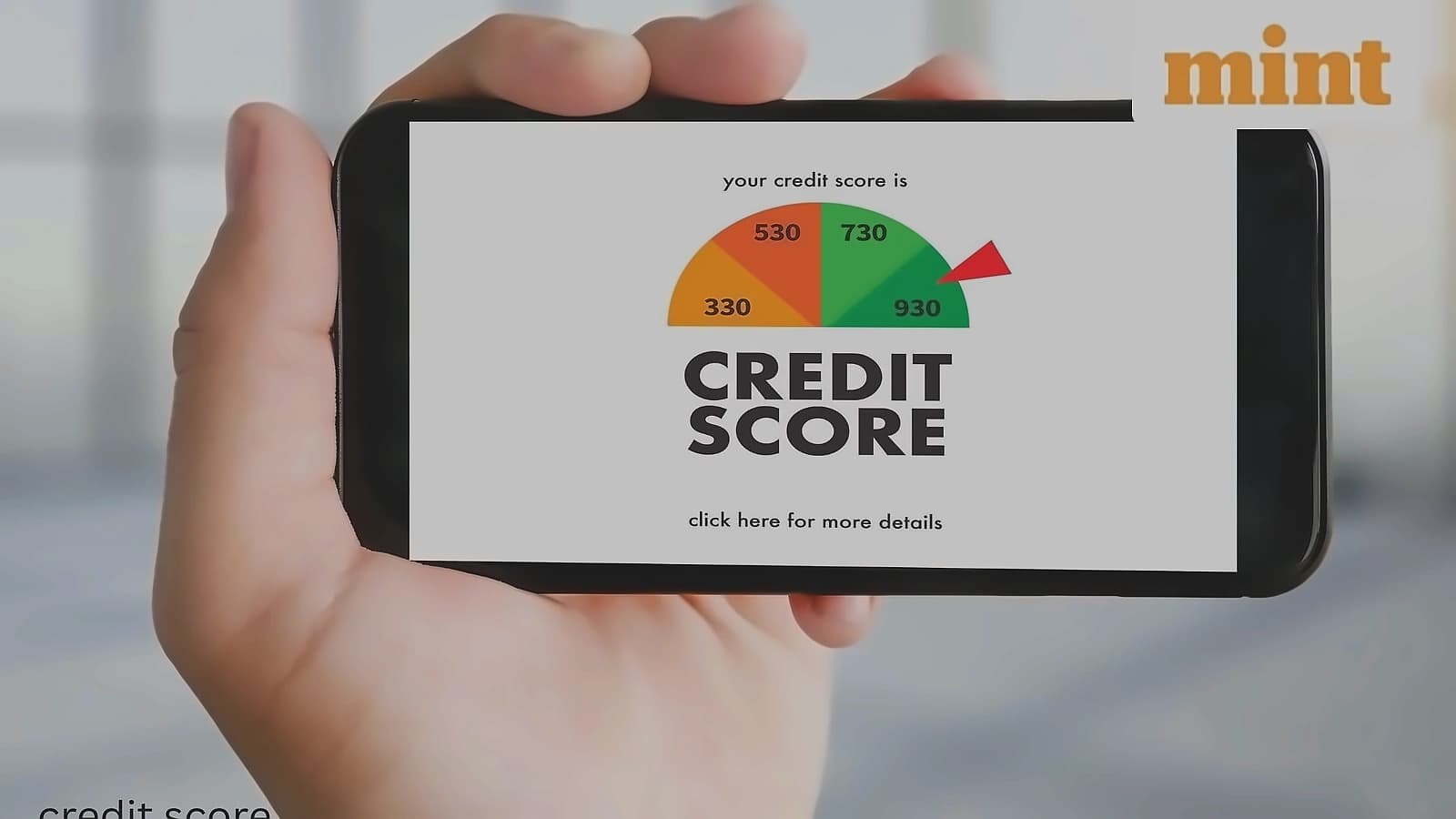
While timely EMI payments remain crucial for financial health, credit scores can decline even with perfect repayment records because payment track records represent only one component of the evaluation. According to reports from Mint, credit utilization levels, recent lender inquiries, overall account age, and raw data provided by financial institutions heavily influence your credit standing. This means that flawless repayers can still experience unexpected score declines due to factors beyond payment history. A three-digit number between 300 and 900 that sums up how you have handled credit so far serves as a shorthand for lenders to assess repayment likelihood, with payment history carrying the most weight, followed by how much of your available credit you use.
An EMI bounce happens when a lender's attempt to auto-debit a borrower's scheduled EMI from their bank account fails. As reported by Mint, while insufficient funds are a common reason, a transaction can also fail because of an expired or incorrectly linked NACH or ECS mandate, or due to technical issues. The borrower may face bounce charge in addition to other applicable costs when a scheduled EMI payment fails to go through, though charges vary across lenders and loan types. For personal loans, these charges can typically range from ₹300 to ₹1,200 for each failed payment, while some private lenders and NBFCs may charge more or calculate the fee based on the overdue amount, according to AU Small Finance Bank.
The Reserve Bank of India's 2023 guidelines on penal charges require banks and other lenders to communicate a grace period to the borrower, typically around seven days, before reporting a missed EMI to credit bureaus. This provision can be useful in cases where auto-debit failed due to technical glitches or genuine oversight. However, this heads-up is offered only if you miss your payment for one time. Post that, late payment interest and penal charges start compounding, and the lender may start calling you more frequently to ask for payments. If you persistently miss payment deadlines, the lender may classify your account as high-risk and escalate the issue to collection agencies, with serious cases involving large amounts potentially leading to legal proceedings under the Negotiable Instruments Act or Debt Recovery Tribunal.
Using 90% of your credit card limit once may not necessarily hurt your credit score, but repeated high utilization can raise concerns for lenders. As reported by Mint, credit utilization refers to the percentage of an individual's total available credit that they are using at a particular time. For example, using ₹90,000 against a ₹1 lakh credit card limit means 90% utilization. Financial advisors typically suggest keeping credit utilization below 30%, though experts emphasize this should be viewed as a guideline rather than an absolute rule. Kapil Makhija, COO of MinEMI, explained that using 90% of your limit once is not a problem, but sustained high utilization hurts twice: your score dips and affects every loan application.
Closing mature credit cards carries hidden drawbacks despite eliminating unnecessary fees. As reported by Mint, mature accounts with pristine payment records add valuable longevity to your credit footprint. Terminating an account removes its limit from your total pool, and if ongoing expenses persist across remaining cards, your overall utilization ratio instantly jumps higher. However, holding every card is unnecessary - closing older cards charging steep annual fees or delivering negligible perks makes financial sense when evaluated properly. Inaccurate details within credit files can cause unexpected score drops through mistaken late payments, delayed settlement logging, or unfamiliar credit lines. You should examine your detailed credit report regularly for wrong balances, flawed payment records, ghost accounts, or unauthorized inquiries.