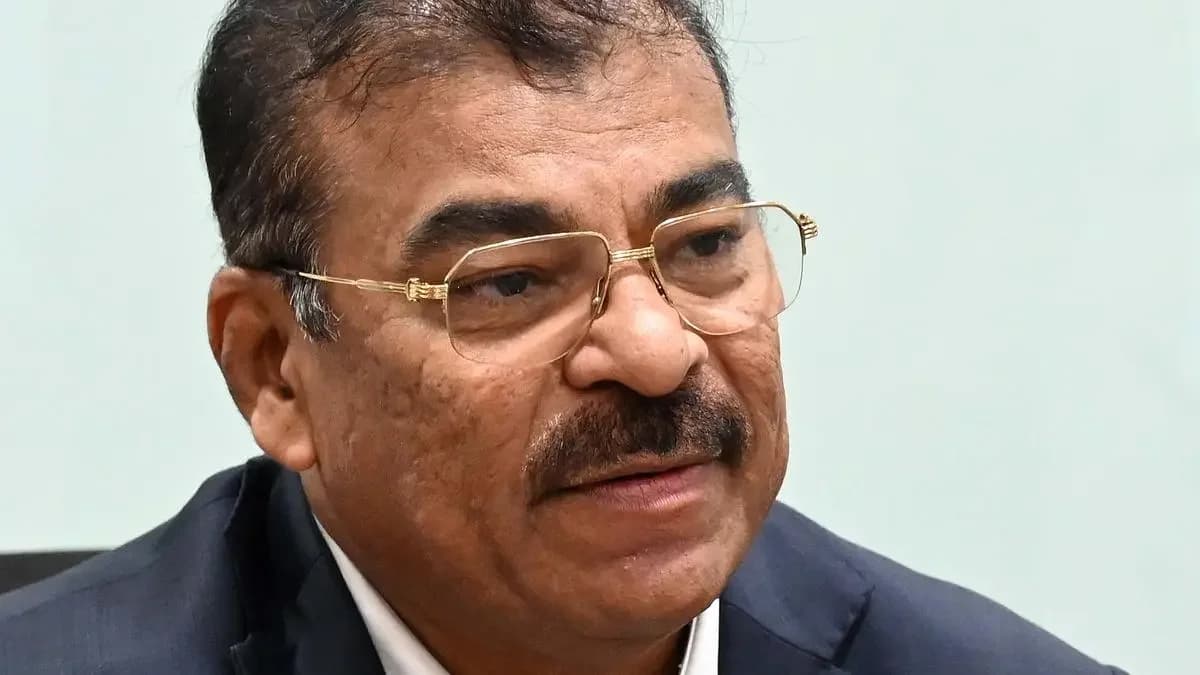
According to Vivek Bagree, Chief Business Officer, Cards at Niyo, there is no single 'best' option for international travel payments. As reported by Mint, the right choice depends on how a traveller spends, how long they are travelling, and how much certainty they want on exchange rates. Bagree emphasizes that the biggest cost differentiator is the forex mark-up, with most traditional credit cards charging 2-4% on every international transaction plus GST on top.
Forex and prepaid travel cards offer significant benefits for budget-conscious travellers. According to Mint reports, these cards are a strong fit for travellers who want budgeting discipline and exchange-rate certainty. Bagree noted that compared to a traditional credit card carrying a 2-4% forex mark-up, this alone can save ₹4,000-₹8,000 on a ₹2 lakh trip. These cards lock in exchange rates before travel and shield users from currency fluctuations during trips. For students specifically, forex cards help avoid repeated currency conversion charges during the initial adjustment period when UK bank accounts are not yet operational.
Credit cards present both advantages and significant costs for international travel. As reported by Mint, while credit cards offer rewards, cashback, and universal acceptance, they carry substantial fees. ATM cash withdrawals abroad attract a 2.5-3.5% cash advance fee plus interest from day one and the forex mark-up on top, potentially costing 6-8% before spending the cash. Raising credit limits requires applications and bureau checks, with rates not locked and interest costs adding up sharply.
Zero-forex-markup cards represent the fastest-growing category in international payment options. According to Mint reports, these cards combine the convenience of regular debit or credit cards with transparent pricing and no mark-up on international spends. Bagree suggests they can be smart alternatives for students heading abroad, young professionals on first overseas trips, or anyone building credit history. These cards offer instant self-service limit increases and free international ATM withdrawals.
For most travellers, the most practical setup involves a combination approach. As reported by Mint, Bagree recommends using a zero-forex-markup debit card for day-to-day spends and ATM withdrawals, a credit card (ideally zero-forex variant) for hotel bookings and large transactions, and maintaining a small float of local cash for places with patchy digital acceptance. This strategy provides flexibility while minimizing costs and ensuring adequate backup options. For students specifically, the optimal setup involves loading enough money to cover 2-4 weeks of expenses including accommodation deposits, groceries, transport, and setup costs, while maintaining backup savings or international transfer support.