Credit card companies and payment networks in India are deploying sophisticated technologies to enhance payment security as digital transactions become mainstream. According to reports from Business Standard, the focus is gradually shifting from reactive fraud management to real-time prevention systems. Payment companies are analyzing billions of transactions globally to identify unusual behavior patterns, monitoring factors such as sudden changes in spending behavior, transactions from unfamiliar locations, and multiple high-value payments within short durations. The latest developments show that Multi-Factor Authentication (MFA) is becoming standard practice, with banks implementing enhanced security protocols that require multiple verification methods from different categories - something you know (password), something you have (phone or hardware token), and something you are (fingerprint or face scan).
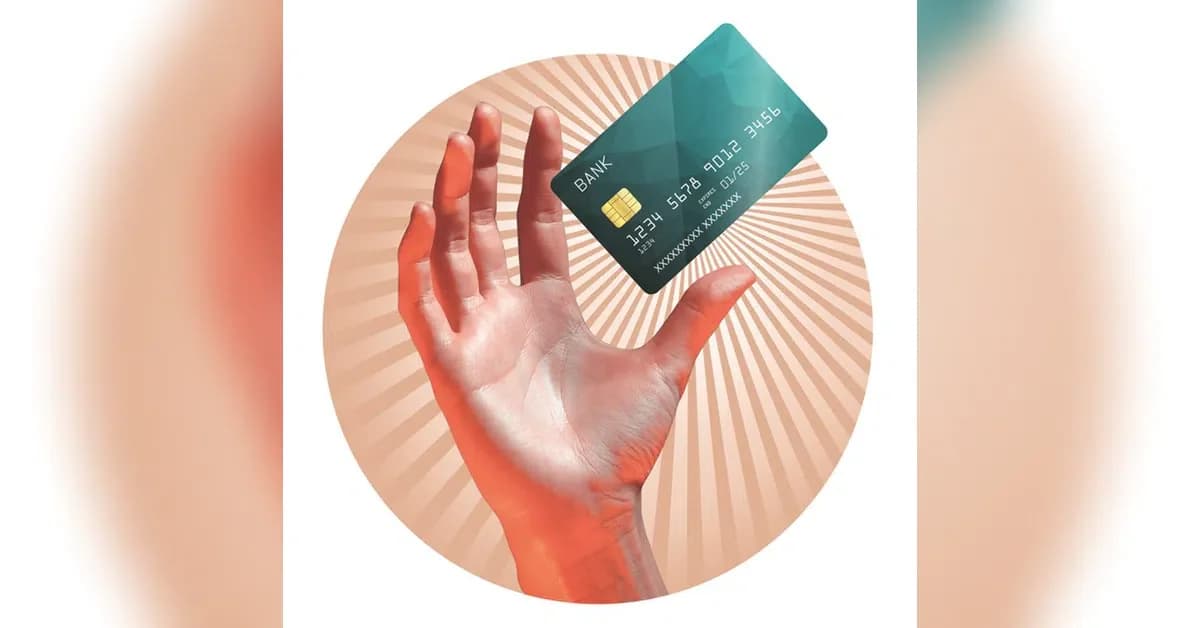
One of the most significant changes in India's card payment ecosystem has been the introduction of tokenisation under the Reserve Bank of India's framework. As reported by Business Standard, merchants are no longer allowed to store actual card details, with transactions processed through unique digital tokens linked to specific cards, merchants and devices. This means even if a merchant database is compromised, the stolen information cannot easily be used elsewhere. The framework has significantly improved the safety of online card usage in India, particularly important as e-commerce usage rises and consumers previously saved card details across multiple platforms. Recent security enhancements include transaction signing features that require explicit approval using unique codes or digital signatures specifically linked to transaction details, making it harder for criminals to authorise fraudulent transfers even if they have login credentials.
Artificial intelligence and machine learning are becoming central to modern fraud detection systems, with payment networks analyzing billions of transactions globally to identify unusual behavior patterns in real time. According to Business Standard, these systems monitor factors such as sudden changes in spending behavior, transactions from unfamiliar locations, multiple high-value payments within short durations, and unusual merchant activity. If a transaction appears suspicious, the system can immediately alert banks or trigger additional verification checks. Financial institutions are using generative AI and predictive analytics to improve fraud detection speed and reduce false alarms. The latest security advancements include hardware security tokens - small physical devices that generate one-time passwords or cryptographic codes that are separate from your phone and provide extremely secure second factors for authentication. These tokens are often used for corporate banking or by individuals who require the highest level of security.
India's digital payment ecosystem is transitioning from one-time passwords to biometric verification systems for transaction authentication. As reported by Business Standard, new technologies such as payment passkeys allow users to authorise transactions using fingerprints or facial recognition linked to their devices. Unlike OTPs, biometric credentials cannot be easily shared, intercepted or stolen through phishing attacks, with biometric data generally remaining stored within the user's device instead of being transmitted externally. The transition is still early-stage in India, but experts believe biometric authentication could become more common as smartphones and digital wallets continue to evolve. Recent developments show that most modern smartphones and banking apps offer biometric login options, which can be faster and more convenient than typing a password or OTP. However, users must ensure their device's biometric security is strong and use the most secure biometric options available.
Modern contactless cards use advanced encryption technologies that make them significantly more secure than traditional magnetic stripe cards, addressing concerns raised by the sharp increase in tap-and-pay transactions after the pandemic. According to Business Standard, every contactless transaction generates a unique one-time encrypted code called 'dynamic cryptogram' that cannot be reused for another transaction even if intercepted. Additionally, because the card remains with the user during the transaction, the risk of physical skimming or card cloning is lower. Banks in India have introduced transaction limits and instant alerts for contactless payments to further improve customer protection. Recent security enhancements include transaction signing for high-value contactless transactions, ensuring even if a criminal has your login details, they cannot authorise fraudulent transfers without this specific transaction signature.