Credit card EMI offers a convenient alternative to separate loan applications, particularly for purchases like televisions, laptops, smartphones, furniture and home appliances. According to reports from Mint and Moneycontrol, credit card EMI can be simpler as it does not require separate loan applications, making the process relatively straightforward. Banks and merchants often promote 'no-cost EMI' offers, but borrowers should carefully check the terms before accepting such deals. Processing fees and GST may apply, while some offers may involve giving up instant discounts available to customers making full payments. For many people, EMI conversion makes it the simpler option when card issuers offer this facility.
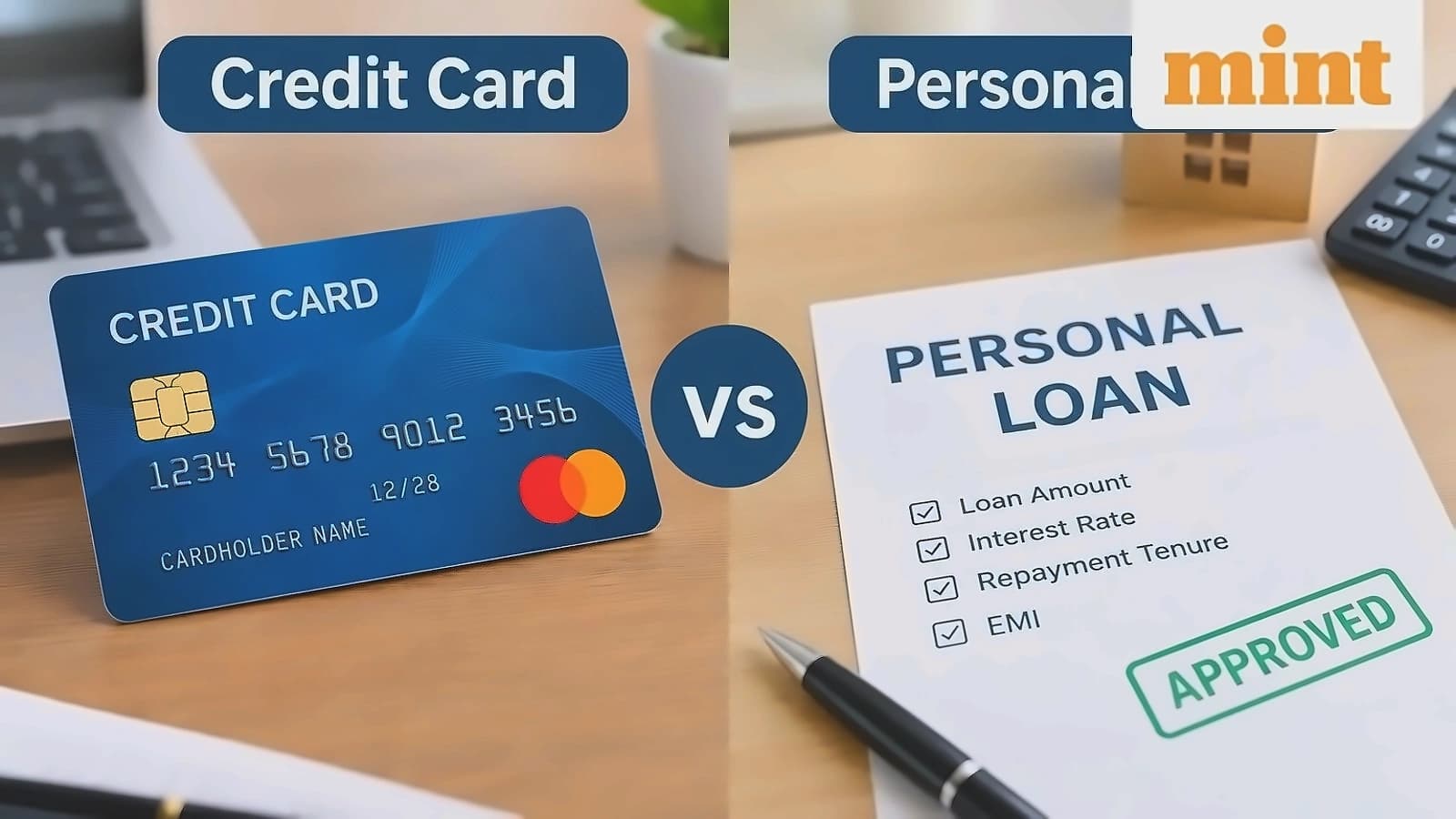
Personal loans are generally better suited for substantial borrowing needs or expenses that cannot be charged to credit cards. As reported by Mint and Moneycontrol, interest rates vary based on income, credit history, and existing debt profile. Choosing a longer repayment tenure reduces monthly instalments but increases total interest paid over time. Additional charges such as processing fees also increase final borrowing costs. Borrowers should calculate total payable amounts under both options before making a decision.
According to Mint and Moneycontrol analysis, a lower EMI does not necessarily mean a cheaper loan. For example, a lender may offer lower monthly payments because the repayment period is longer, but this can result in more interest over the full tenure. Borrowers should compare interest rates, processing fees, GST, repayment tenure, and prepayment or foreclosure charges to determine actual borrowing costs. This comprehensive comparison provides a clearer picture of total loan expenses, with the final cost depending on the interest rate, charges and repayment period rather than just the EMI amount.
A large purchase through credit card can consume a significant portion of available credit limit, increasing credit utilisation. As reported by Mint and Moneycontrol, high utilisation may affect credit profiles, particularly if outstanding balances exist on other credit cards. If a purchase would use most of available credit limit, a personal loan may be considered, provided the borrower can afford repayments and overall borrowing costs are reasonable. The impact is particularly significant when the purchase would use most of your available credit limit, affecting your credit utilisation ratio and potentially impacting your credit score.
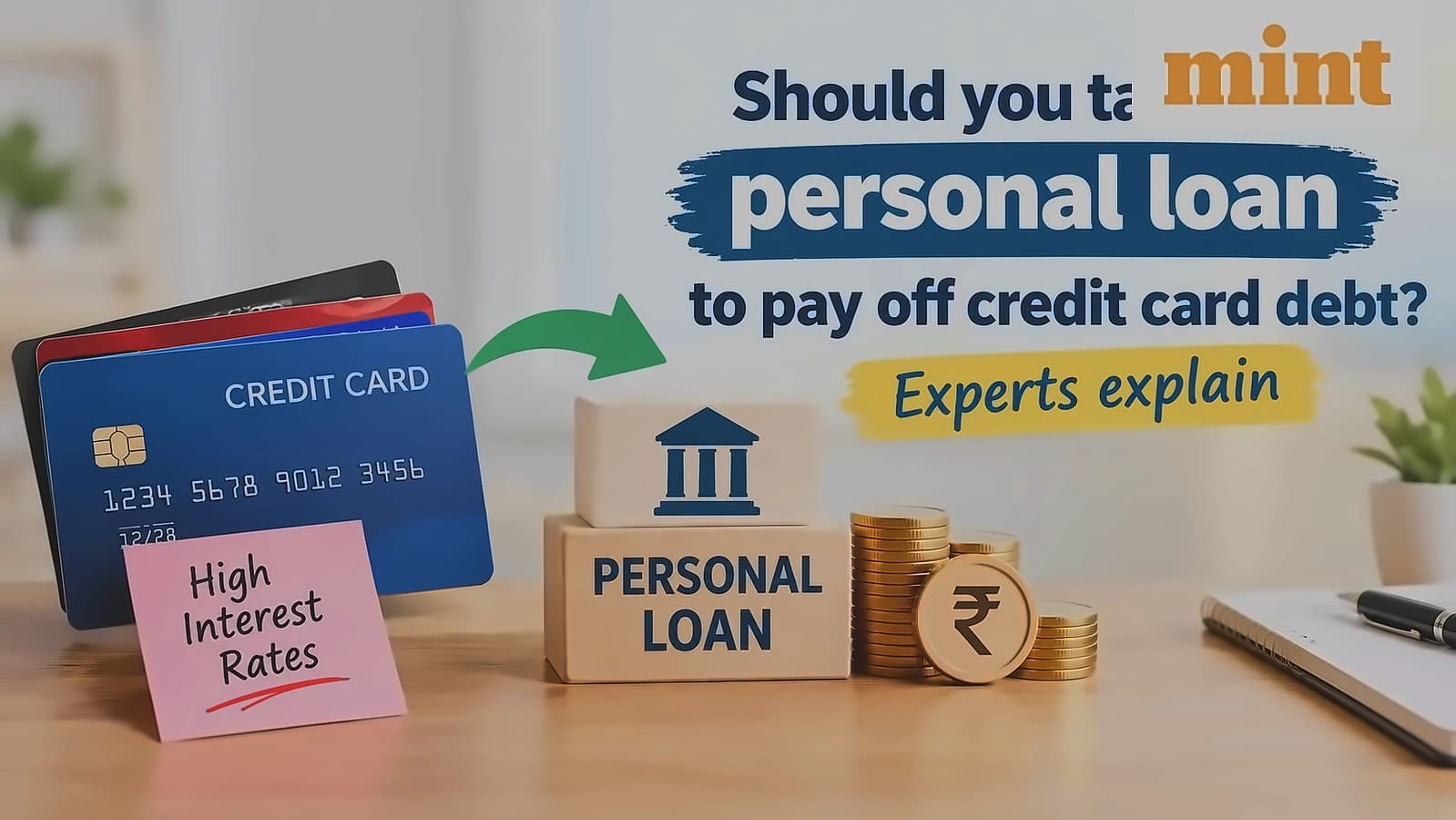
Consumers should be cautious about making large purchases on credit cards and leaving balances unpaid. According to Mint and Moneycontrol, credit card interest rates are generally higher than personal loan rates, and paying only minimum amounts does not clear outstanding balances. Interest continues building on unpaid amounts. If borrowers expect to be unable to pay full credit card bills, it may be worth comparing EMI conversion costs with personal loan costs to determine the most cost-effective option. For larger purchases, a personal loan may work out cheaper if its interest rate and other charges are lower, while for smaller purchases, genuine no-cost or low-cost credit-card EMI can be useful, particularly when there are few additional charges.