According to reports from Business Standard, buying a four-wheeler is a significant milestone, but protecting it is equally important. The right car insurance policy helps safeguard against unexpected repair costs, accidents, theft, and third-party liabilities. However, with different policies available in the market, it can be challenging to choose one that suits budget and driving requirements. A good insurance plan does more than just fulfill legal requirements, providing financial safety against damage to vehicles, third-party liabilities, theft, and losses caused by natural or man-made events.
As reported by Business Standard, your premium is influenced by factors such as your four-wheeler type, location, and coverage chosen. While looking for affordable plans is natural, the cheapest option may not always provide adequate safety. Key factors to consider include coverage offered, deductibles, optional features, claim-related benefits, and overall value for money. Each insurer has strengths including claim support, digital services, network garages, and coverage options, making comparison essential for identifying plans that align with driving needs and budget. According to the California Department of Insurance, quotes rely on what you tell the insurer, with the final price potentially changing once the insurer checks your driving record and confirms details. The CDI warns that accurate answers on vehicle use, mileage, and drivers give the best chance that the final number matches the quote.
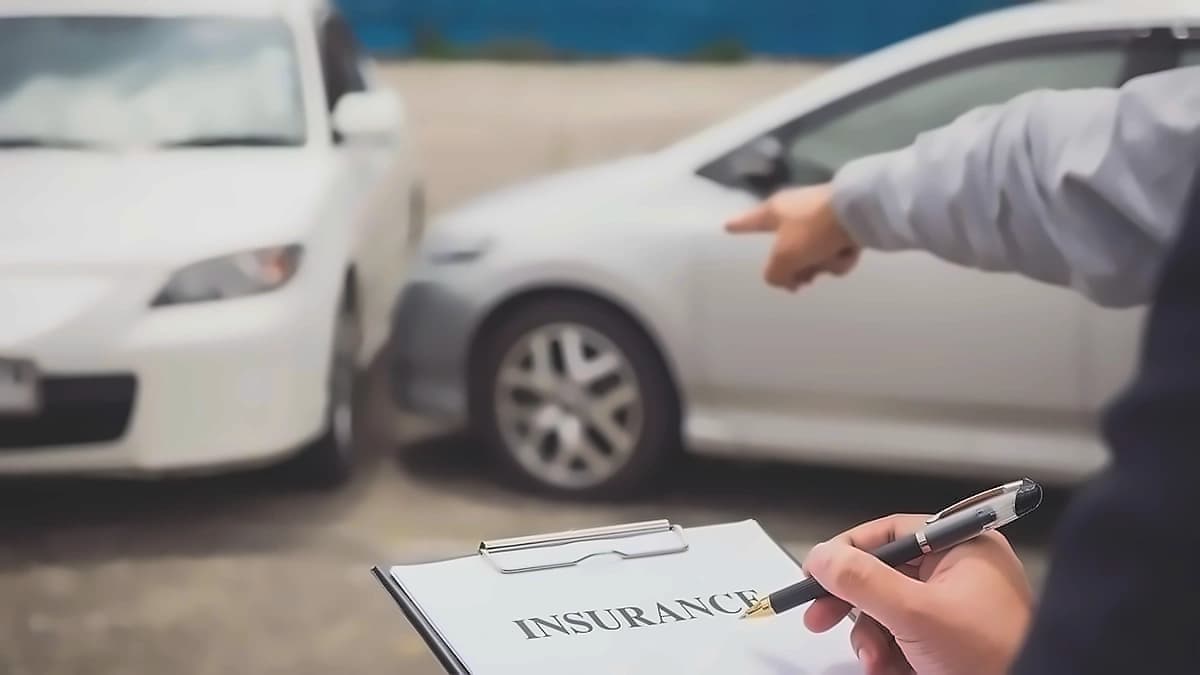
According to Business Standard, driving habits significantly influence policy selection. For daily city commuters, comprehensive coverage with roadside assistance may be suitable. Occasional or low-mileage drivers can consider usage-based or pay-as-you-drive plans. New or high-value vehicle owners benefit from assurance with zero depreciation add-ons, while older four-wheeler owners may require comprehensive coverage with only necessary features. Frequent highway travelers should consider policies with Engine Protection add-ons and Personal Accident assurance for greater reassurance. The California Department of Insurance emphasizes that the most frequent mistake is comparing quotes that are not the same product, with the second being giving rough answers about mileage or use, which can make a quote cheaper on paper and weaker in practice.
As reported by Business Standard, vehicle age plays a crucial role in choosing appropriate coverage. Newer vehicles may need broader protection, while older automobiles require different approaches based on age, condition, and current market value. The article recommends choosing cover based on vehicle type, with newer vehicles requiring comprehensive coverage with suitable add-ons, while older vehicles should consider coverage based on their specific characteristics and value in the market. According to the California Department of Insurance, the second most frequent mistake is taking only the first quote that looks good, as costs vary even in the same area, with one quote telling you very little about the final premium.
According to Business Standard, when evaluating policies, factors such as scope of cover, available add-ons, claim settlement process, cashless garage network, customer support, exclusions, and deductibles should be compared. Most policies do not cover normal wear and tear, mechanical or electrical breakdown unless covered under specific add-ons, damage caused by negligence, and consequential losses. The California Department of Insurance recommends comparing apples to apples, with every policy you review having the same types and amounts of coverage. The CDI advises that the most important thing is the final cost of the policy, since a company that offers few discounts can still give a lower overall premium. The Insurance Information Institute emphasizes that the order of the cheapest to the most expensive insurer can change from one household to the next, with a company that is cheap for a commuter in one ZIP code may be expensive for a low-mileage remote worker somewhere else.