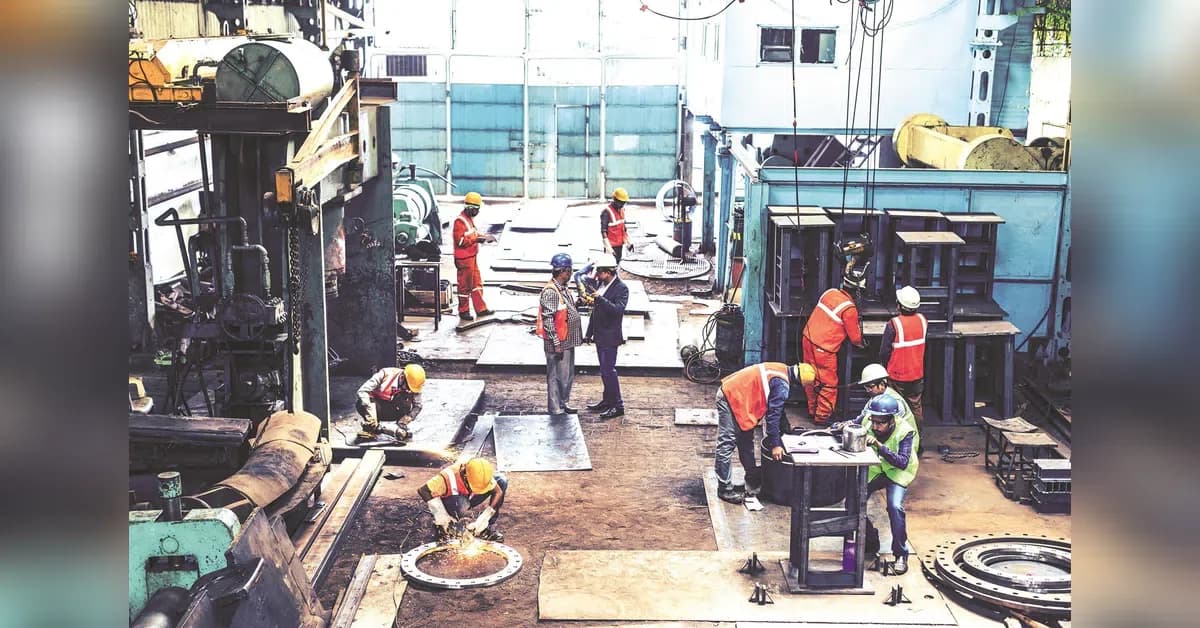
Recent developments have introduced new challenges to the economic landscape that entrepreneurs like Vishwas Mudagal are navigating. According to senior journalist Rajdeep Sardesai, post-election realities and global shocks have triggered fresh economic concerns, challenging the earlier perception of India being economically invincible. The optimism around a 'Goldilocks moment' has now shifted towards caution amid growing global uncertainty, creating a more complex backdrop for discussions about wealth and quality of life in India's tier-2 cities.
A viral video by GoodWorks Group founder Vishwas Mudagal has sparked online debate after he shared his perspective on wealth and quality of life in India's tier-2 cities. According to reports from Mint, the Bengaluru-based entrepreneur argues that ₹1 lakh per month in tier-2 cities already offers a comfortable life, but people seeking "lifestyle freedom" may require higher incomes depending on the city and their expectations. The video has since sparked conversations on social media around whether India's tier-2 cities now offer a better balance between income, comfort and quality of life than traditional metropolitan centres.
Indore requires ₹1.5-2 lakh per month for high-end living with premium amenities, while Lucknow needs ₹1-2 lakh for Nawab culture and modern conveniences. As reported by Mint, Coimbatore and Nagpur both require ₹1.25-1.75 lakh monthly for comfortable independent lifestyles, with Nagpur offering additional comfort due to lower living costs and smart city infrastructure. Jaipur demands ₹1.75-2.25 lakh for high-end modern amenities and space, while Bhubaneswar requires ₹1.25-1.5 lakh for upper-class living in the developing city. Mysuru is estimated at ₹1.5-2 lakh for royal atmosphere and serene living.
According to the video analysis by Mint, smaller cities often provide better value for money and improved work-life balance compared to India's crowded metros. The entrepreneur emphasizes that being rich in tier-2 cities is not about the money alone, but about peace, access and freedom. As reported, Mudagal advises viewers to "stop chasing rich in someone else's city" and know what rich means for them where it buys the best life. The observations have resonated with many users online who argue that smaller cities offer significant advantages in terms of lifestyle quality and financial efficiency, particularly as economic uncertainties prompt reconsideration of traditional metropolitan advantages.
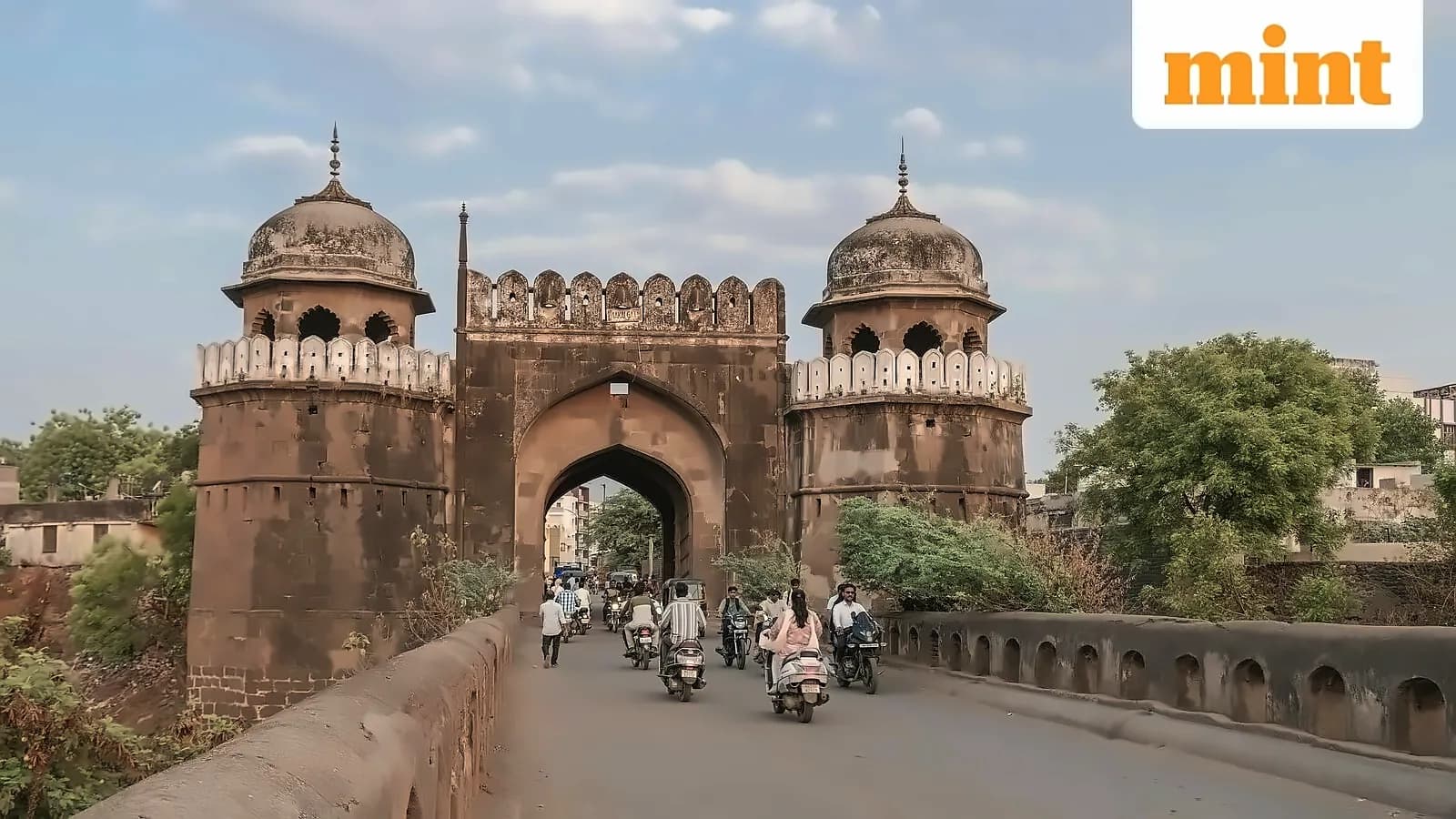
Recent government data reveals a stark contrast between economic growth and worker compensation, with millions in manufacturing, trade and services earning less per day than minimum wage benchmarks for unskilled labour. As reported by Instagram, this represents not just low income but institutionalised underpayment dressed up as economic growth. The data highlights that an economy cannot be considered developed when full-time workers remain trapped in survival mode despite rising GDP headlines and record corporate profits. This wage reality gap underscores the importance of understanding local income requirements and quality of life factors when evaluating where to live and work, particularly as economic uncertainties challenge traditional assumptions about urban prosperity.