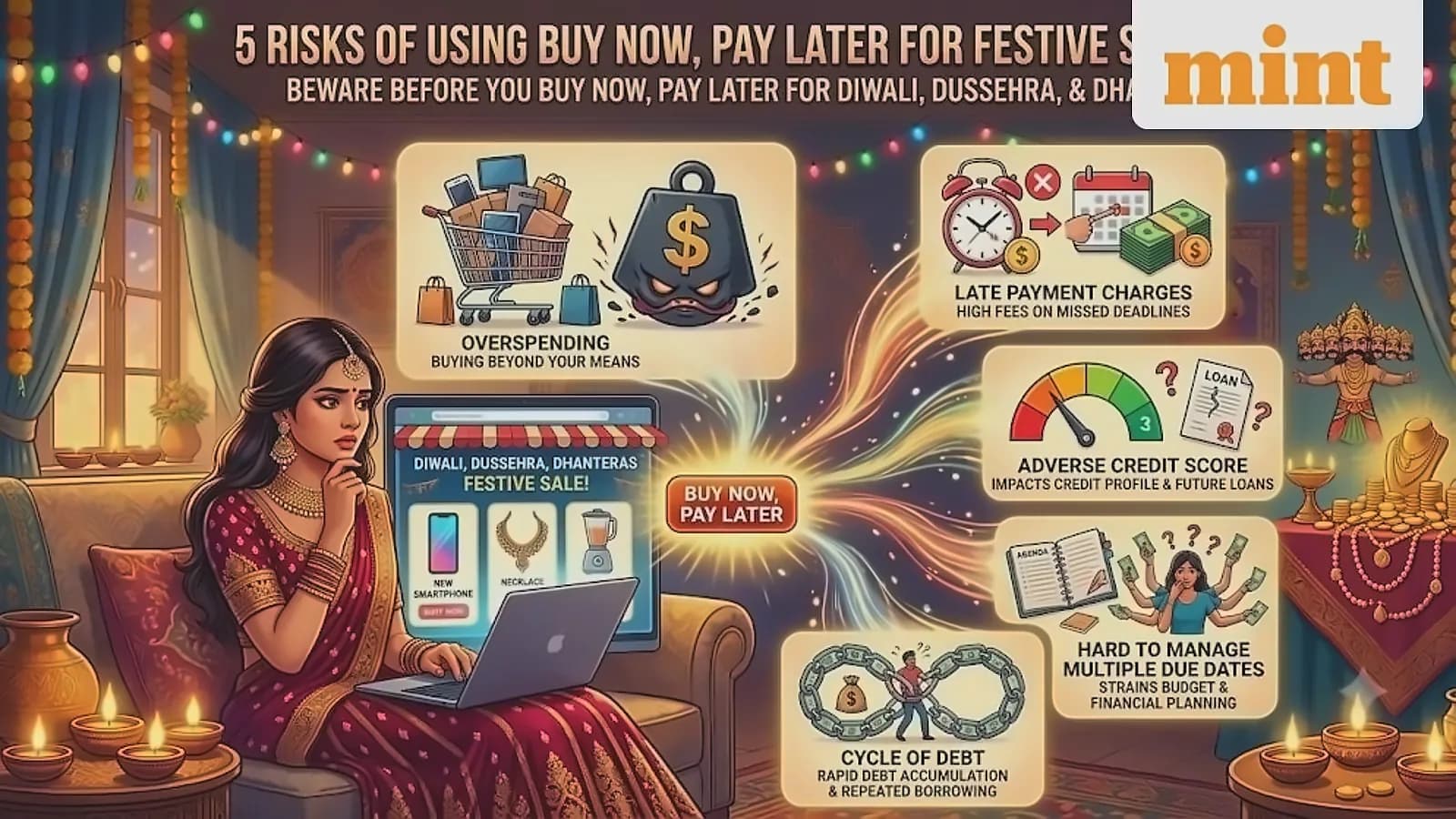
Using Buy Now, Pay Later (BNPL) services for everyday items like clothing, food delivery, or small online purchases represents one of the earliest concerns. According to reports from BankBazaar.com, this pattern may indicate a gap between income and expenses that can create overlapping repayments that become harder to manage over time. While occasional use is not problematic, frequent reliance on BNPL for routine spending signals potential financial strain and should be addressed proactively. The latest data from Northwestern Mutual's 2026 P&P Wave I Data Deck reveals that 36% of Gen Z plan to use BNPL for daily essentials like groceries and gas, signaling a concerning trend of financing basic necessities on installment plans.
Managing more than one BNPL account can quickly become complex due to different repayment schedules for each purchase. As reported by BankBazaar.com, while individual amounts may seem small, multiple dues can be added and increase the risk of missing payments. This complexity makes it harder to track total obligations and may result in lost visibility of how much is owed across all accounts, potentially leading to missed payment deadlines. The Northwestern Mutual report confirms that 49% of Gen Z plan to use BNPL for large purchases in 2026, indicating that these services have moved from a checkout novelty to a core payment method for basic necessities.
Frequently carrying forward BNPL payments is a clear warning sign that indicates potential financial stress. According to the analysis from BankBazaar.com, many services offer short repayment windows but delays can result in penalties or added charges, even when options are marketed as zero-interest. These late fees and hidden costs can increase total repayment amounts and reduce the benefits of using BNPL services, making them less financially advantageous over time. The Northwestern Mutual data reveals that 62% of U.S. adults with debt prioritize paying it down compared to 38% who prioritize saving, with the average personal debt balance at $21,700 per American. This means that BNPL plans layer on top of existing debt, often without showing up on traditional credit reports, making total exposure harder for borrowers to track.
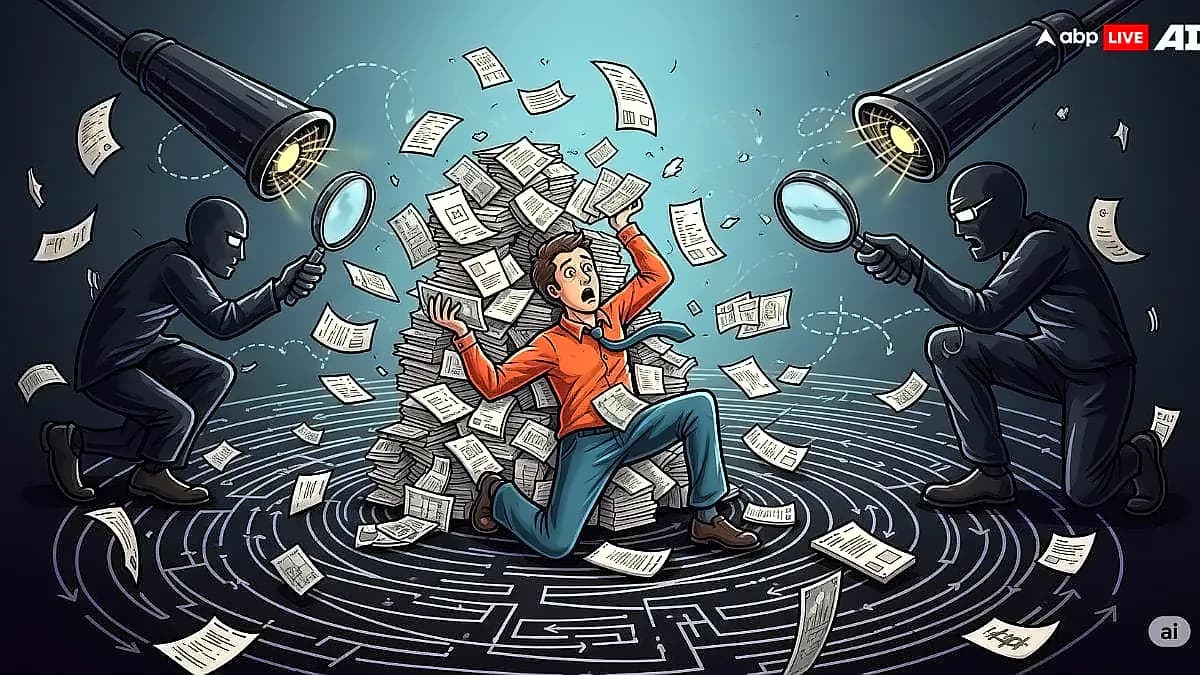
BNPL usage can impact credit profiles even when it doesn't feel like traditional credit. As reported by BankBazaar.com, some lenders report BNPL usage to credit bureaus, meaning missed or delayed payments can affect credit scores. Even where reporting is limited, lenders may still assess overall borrowing behavior, and frequent short-term borrowing can signal financial stress that affects future credit decisions. This impact can be significant for those who rely heavily on BNPL services for regular expenses. The Northwestern Mutual report highlights that credit cards remain the top source of personal debt by a wide margin, more than double car loans and roughly four times medical debt, with 65% of U.S. adults carrying some form of personal debt outside of a mortgage.
For those identifying with these warning signs, a strategic reset can help restore financial control. According to the guidance from BankBazaar.com, the process begins with reviewing all active BNPL accounts and outstanding dues, focusing on clearing pending payments before taking on new ones. The approach includes limiting usage to planned expenses rather than impulse purchases, tracking due dates and setting reminders to reduce delay risks, and building a simple budget to align spending with income. This systematic approach helps reduce reliance on deferred payments and supports financial stability while maintaining the convenience of BNPL services when used appropriately. The Northwestern Mutual data suggests that Gen Z has the longest investment horizon of any working generation, making it crucial to prioritize savings over installment payments during their most critical compounding years.