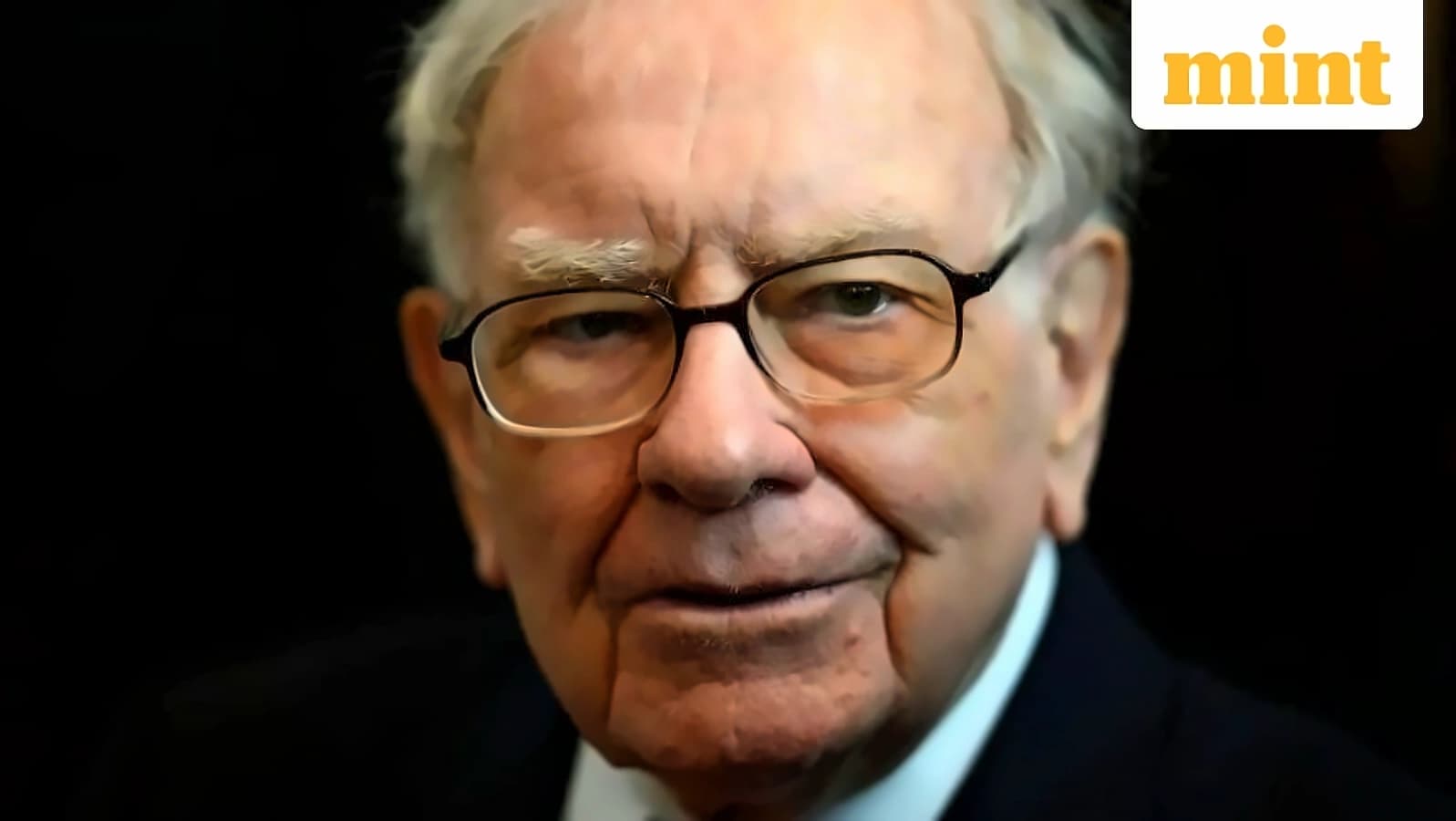
According to reports from Mint, Berkshire Hathaway now allocates nearly 30% of its $351 billion portfolio to Apple and Alphabet, reflecting a significant shift in Warren Buffett's investment strategy. Despite Buffett and Charlie Munger once refusing to invest in companies like Apple and Google, the investment giant has now built substantial positions in both technology giants. At the 2012 Berkshire Hathaway annual meeting, Buffet had stated, "I would not be at all surprised to see them be worth a lot more money 10 years from now, but I wouldn't want to buy either one of them." However, Buffett eventually changed his view on Apple, seeing it less as a technology company and more as a powerful consumer brand with exceptional pricing power.
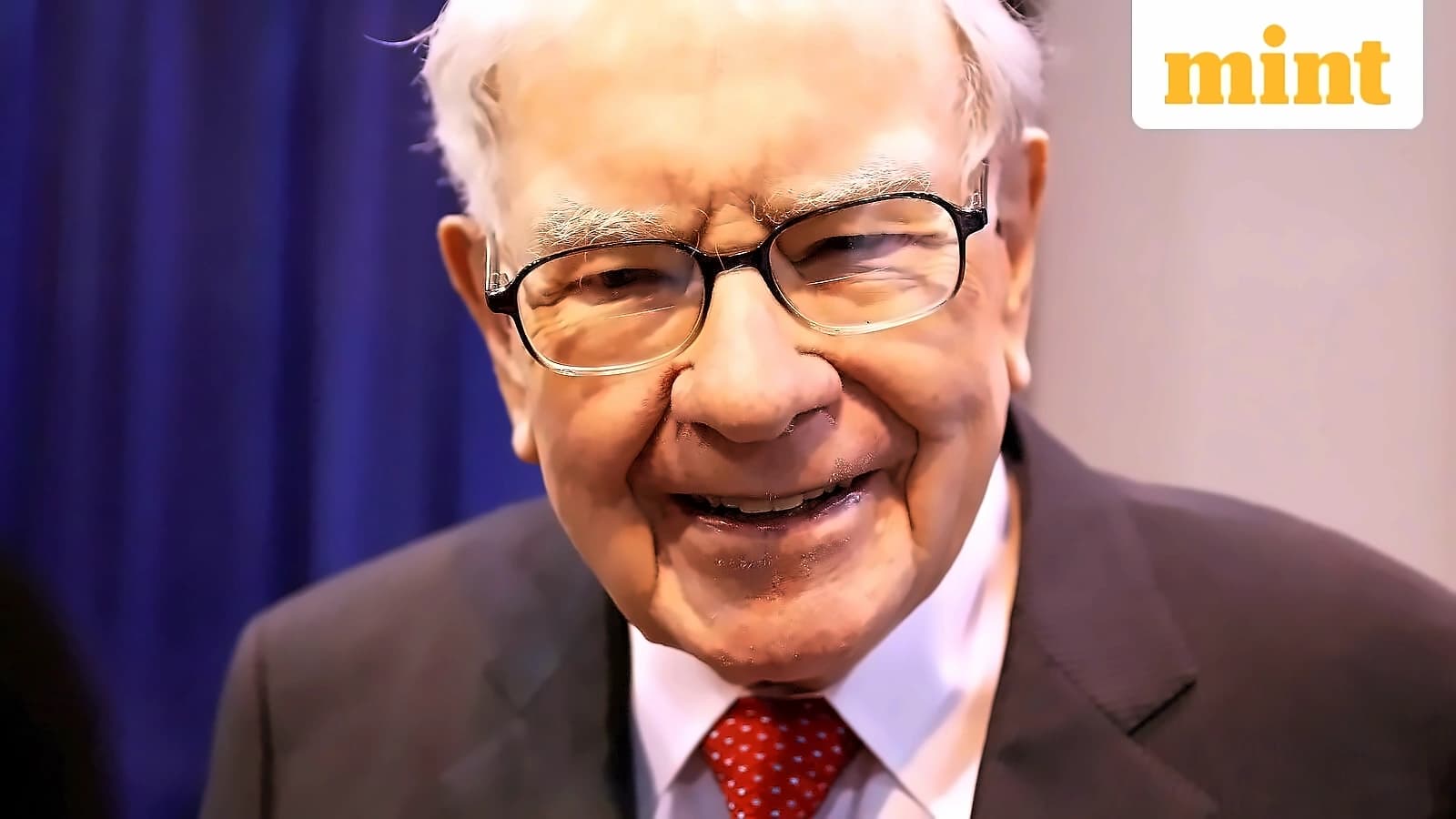
As reported by Mint, between 2016 and 2018, Berkshire invested about $36 billion in Apple stock. However, Buffett recently admitted in an interview that he "made a mistake" by not investing in Alphabet sooner. Since taking the reins as CEO, Greg Abel has moved quickly to double down on Berkshire's exposure to Alphabet. During the first quarter, Berkshire nearly tripled its existing position in Alphabet, making it one of its biggest holdings. The company then invested another $10 billion in Alphabet through a private share sale as part of the tech giant's $80 billion fundraising, splitting the investment equally between its Class A and Class C shares.
The latest market developments have raised fresh questions about the sustainability of AI-driven investments. Wall Street's semiconductor index has tumbled more than 20% from its June peak, entering bear market territory after a stellar rally earlier this year. According to Mint, a new AI model from China's Moonshot and concerns over heavy AI spending triggered a broad selloff across global technology stocks. The Philadelphia Semiconductor Index dropped nearly 2% on Friday, crashing around 10% overall in the week to record its largest weekly fall in over a year. Despite the recent selloff, the chip index remains more than 60% higher this year. Market experts suggest the selloff may be more about portfolio repositioning than fundamental concerns, with Chuck Carlson of Horizon Investment Services noting it's "more about repositioning of portfolios and just taking profits in stocks that have gone crazy."
According to Sidharth Sogani, CEO of Blue Aster Capital and CREBACO Global, as reported by Mint, retail investors should not replicate Berkshire's current portfolio concentration. Sogani explained that Berkshire's portfolio needs to be viewed in context, noting that many of its largest holdings were accumulated over several years at significantly lower valuations. "The AI wave certainly strengthens the long-term prospects of companies like Apple. However, investors entering today are doing so at far more mature valuations than Berkshire did. A great business does not automatically translate into a great investment if the entry price does not offer an adequate margin of safety."
As reported by Mint, Sogani highlighted another key risk: sector concentration. "Holding a large portion of a portfolio in one sector increases exposure to common risks, whether stemming from regulation, valuations, technological disruption, or broader economic cycles. Diversification should not be viewed as owning a large number of stocks, but as ensuring that portfolio risk is not driven by a single company or sector." He emphasized that the key takeaway from Berkshire is not to replicate its current portfolio weights, but to understand the disciplined capital allocation process behind it.