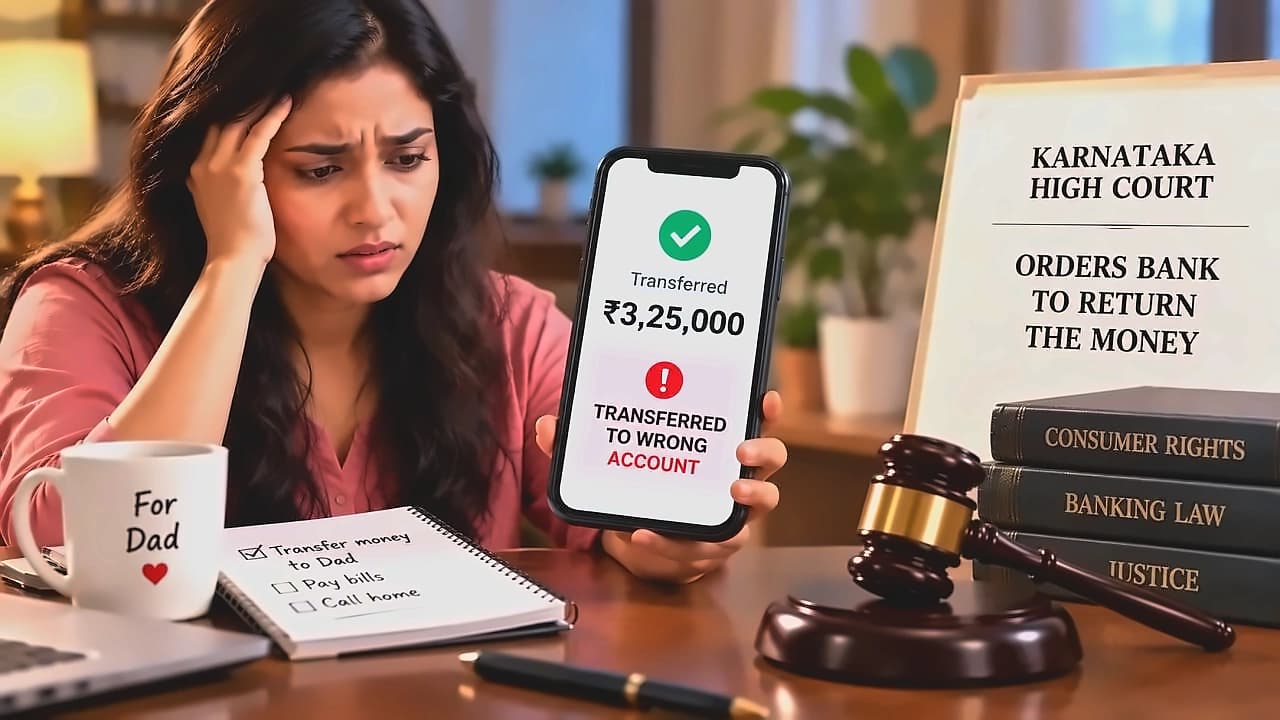
Banks are permitted to collect certain fees for failed transactions if these are covered by their official tariff structure and the terms agreed upon with their customers. According to reports from Essential Business Intelligence and Mint, a failed UPI transfer, declined debit card payment, or unsuccessful ATM withdrawal does not automatically make a related charge illegal. The bank must demonstrate that the charge was applicable to the transaction and that the customer had been informed about it. As per Essential Business Intelligence, banks are allowed to levy service charges if these are covered under the account terms and their published fee schedule, meaning a failed transaction does not automatically make a related charge illegal. SBI charges ₹250 plus GST for a failed NACH mandate and ₹500 plus GST for a cheque returned due to insufficient funds, while also levying ₹20 plus GST for ATM transactions declined due to insufficient balance in savings and current accounts. HDFC Bank charges ₹500 for the first ECS/ACH mandate return in a month and ₹550 for subsequent returns, with cheque returns due to insufficient funds incurring similar charges.
Customers can contest deductions for transactions that were never processed, duplicate fee collections, or charges that do not feature in the bank's declared tariff structure. As reported by Essential Business Intelligence and Mint, there may be grounds for complaint if a payment failed due to technical malfunction, server outage at the bank, or disruption in the payment system. Consider a UPI transaction that fails due to bank system faults, even though the amount has been deducted - customers can approach the bank for refund and dispute additional charges. The matter becomes particularly relevant when customers question whether they have to pay when a transaction is unsuccessful, as the charge can be reversed depending on the reason the transaction failed, the type of fee deducted and the terms applicable to the customer's bank account. Customers should distinguish between customer-related failures like insufficient balance or incorrect details, technical failures such as server outages, and incorrect deductions including duplicate charges or unauthorized debits.

Customers disputing failed transaction fees should establish a clear record of the incident. According to Essential Business Intelligence and Mint, the bank statement will show the deduction, while transaction receipt and failed payment notification can help substantiate the complaint. It is important to retain the transaction reference number and record when the payment was attempted. Once these documents are available, contact the bank through its customer service channels - complaints can be registered on the mobile banking app, through internet banking, over the customer care helpline or directly at a branch. Specify why you believe the charge should not have been collected and seek a reversal, asking the bank to explain which provision of its published charges permits the deduction if it refuses. Ask the bank to identify the specific tariff provision authorizing the deduction if it rejects your request.
The RBI's circular dated September 20, 2019 establishes clear compensation timelines for failed transactions. According to Mint, a 'failed transaction' refers to a transaction that remains incomplete for reasons beyond the customer's control, such as communication failures, unavailability of cash at an ATM, or session time-outs. ATM withdrawal failures require reversal within five calendar days (T+5), with compensation of ₹100 per day beyond this deadline. UPI and IMPS transfers must be reversed by T+1, with delays attracting ₹100 per day. UPI merchant payments require reversal within T+5, with ₹100 per day for each day of delay. These protections apply only to failures not attributable to the customer, and the bank is liable to pay compensation to the customer. The key is to establish whether the deduction was contractually permitted and whether the failure resulted from the customer's actions or a technical lapse.
If 30 days pass without resolution or the bank's response is unsatisfactory, customers can escalate the grievance to the RBI Ombudsman under the Reserve Bank - Integrated Ombudsman Scheme, 2026. As reported by Essential Business Intelligence and Mint, there is no fee for filing a complaint through the RBI's CMS portal. Customers should specify why they believe the charge should not have been collected and seek reversal, asking the bank to explain which provision permits the deduction. Under the Reserve Bank - Integrated Ombudsman Scheme, 2026, complaints must generally be filed within 90 days of the applicable deadline or the bank's last communication. The matter need not end there - if the bank refuses to reverse the charge, customers can escalate the dispute through the formal regulatory channel.