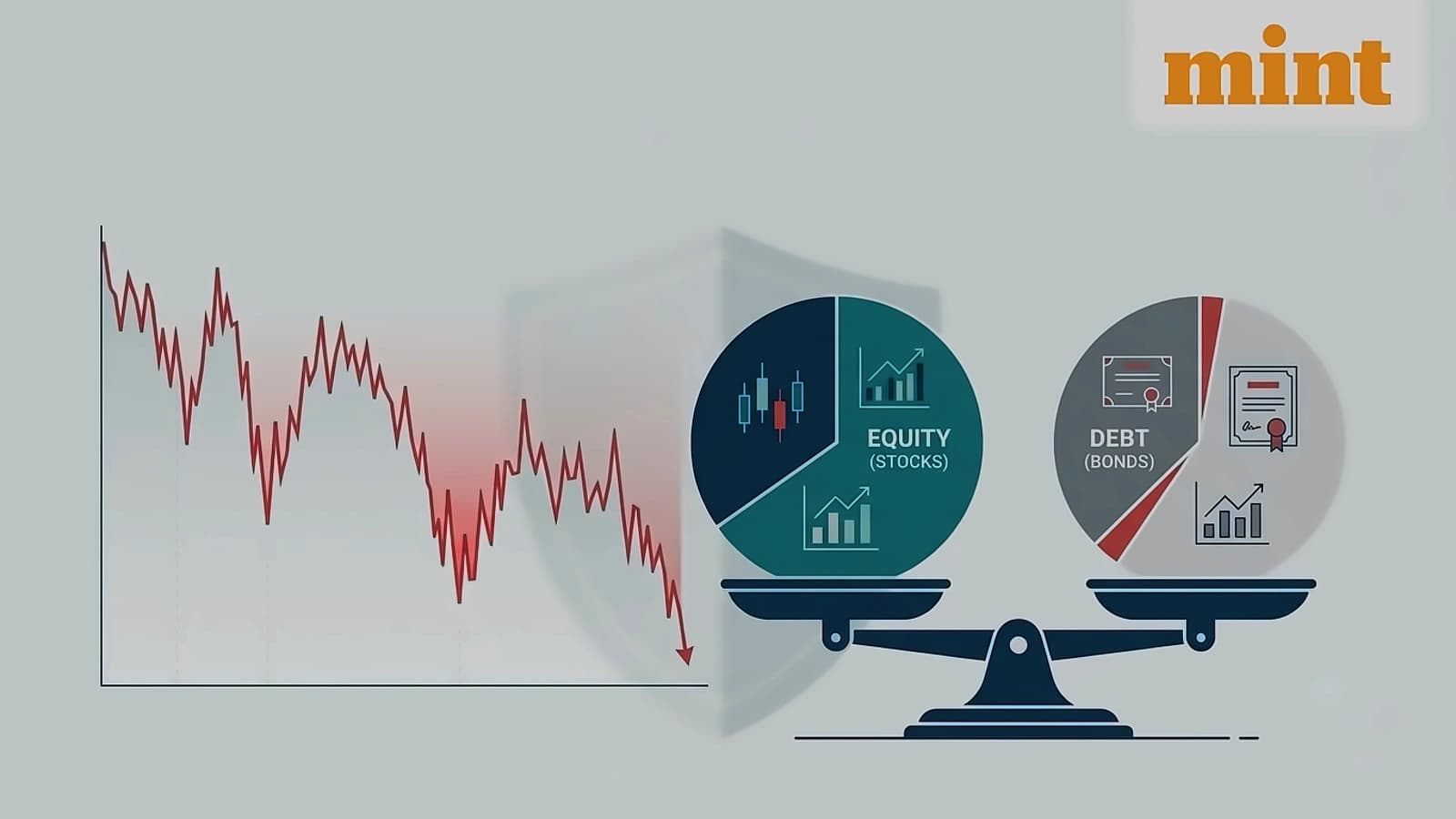
According to reports from Mint, investors seeking guidance on portfolio allocation between equity and debt can utilize asset allocation calculators that consider age, risk profile, and investment horizon. The calculator helps determine appropriate equity-debt mix by evaluating these three key factors, ensuring a personalized approach rather than a one-size-fits-all solution. As noted by Mint, this framework provides a systematic approach to portfolio construction that considers individual risk tolerance and financial goals.
As reported by Mint, investors in their 20s with low risk appetite should consider a balanced portfolio allocation of 55% equity and 45% debt for investment horizons under two years. For medium risk profiles, the recommended allocation increases to 60% equity and 40% debt for 2-5 year horizons, while high risk investors can allocate 80% equity and 20% debt for investment periods exceeding 10 years. The calculator suggests these percentages based on age-specific risk tolerance and investment timeline considerations. According to recent analysis, aggressive hybrid funds typically maintain 65-80% equity allocation with the remaining in debt, offering a more diversified approach than traditional equity-debt combinations.
According to Mint's analysis, investors aged 30-45 years with low risk appetite should maintain a 45% equity and 55% debt allocation for investment horizons under two years. For medium risk profiles, the recommended allocation increases to 50% equity and 50% debt for 2-5 year periods, while high risk investors can consider 70% equity and 30% debt for investment horizons exceeding 10 years. The calculator adjusts these percentages based on age-specific risk tolerance and investment timeline considerations. As reported by recent analysis, balanced advantage funds focus on equity and debt allocation but move between them based on market valuations, providing dynamic asset allocation strategies.
As reported by Mint, investors above 60 years of age typically have lower risk appetite with investment horizons ranging between two and 10 years. For short investment horizons of 2-5 years, the calculator recommends 30% equity and 70% debt allocation to reduce volatility while maintaining some equity exposure. For medium risk profiles, the recommended allocation increases to 35% equity and 65% debt for 5-10 year horizons, while high risk investors can consider 50% equity and 50% debt for investment periods exceeding 10 years. According to recent analysis, multi asset allocation funds must hold at least three asset classes with a minimum of 10% in each, typically including equity, debt, and commodities like gold.

According to Mint, investors can access asset allocation calculators offered by financial institutions or mutual fund houses, such as the Nippon India Asset Allocation Calculator. The tool requires users to select their age bracket, choose risk levels ranging from very low to very high, and select preferred investment horizons from less than 2 years to more than 10 years. The calculator provides recommended asset allocation percentages based on these inputs, though it should be used as a guide rather than definitive investment advice. As noted by recent analysis, multi asset allocation funds offer diversification across at least three asset classes with automatic rebalancing, providing a smoother investment experience than pure equity funds while maintaining built-in diversification.