Artificial intelligence is fundamentally transforming credit underwriting by shifting from rule-based evaluation to behavior-based prediction. According to reports from Mint, this change allows lenders to understand how people manage their finances in real life rather than relying solely on traditional records. AI-led underwriting models can study patterns in bank transactions, spending habits, and cash flows, providing a more comprehensive view of borrower financial behavior. The rise of intelligent credit represents a move away from static data analysis toward dynamic behavioral assessment, with OPL's AI algorithms analyzing over 1,000 data points in real time to evaluate information from multiple sources including bank transactions and spending patterns.
The new approach focuses on cash flow as one of the most important factors in modern underwriting. As reported by Mint, lenders now examine how money moves in and out of accounts rather than relying on static data. Regular stable income, consistent savings, and controlled expenses indicate a stable borrower profile. For example, a person may not have a long credit history but may show stable monthly earnings and responsible spending patterns, which traditional models might reject but AI might categorize as a stable customer with payment ability. This comprehensive evaluation enables lenders to build a 360-degree view of each borrower, going far beyond traditional credit scores through multi-source, real-time assessment. According to McKinsey and Company, nearly 70% of AI projects fail to scale beyond pilot stages, with the root cause being data and infrastructure gaps rather than model quality, making robust data management essential for enterprise AI adoption.
Modern digital lending operations are built on API-based microservices architecture that functions as the backbone for modernizing legacy systems. According to OPL reports, this approach breaks platforms into independent modules handling specific functions like onboarding, underwriting, verification, disbursement, or monitoring. OPL's pre-integrated API stack enables rapid deployment of white-label solutions at lower costs with shorter implementation timelines, allowing banks to launch new lending products faster without building integrations from scratch. This modular approach ensures faster time-to-market, lower operational costs, and greater agility while maintaining compatibility with existing ecosystems. The foundation of modern BFSI analytics requires seamless data flow across dozens of systems including core banking, CRM, market data feeds, and third-party enrichment sources, with efficient, fault-tolerant pipelines serving as the circulatory system of enterprise AI stacks.
Voice AI technology is revolutionizing banking operations through fraud detection triggers based on voice signals including voice mismatch, stress indicators, script-reading patterns, and geographic anomalies. According to Quiq reports, call containment rates of 70%-80% are achievable within the first year, with potential operational cost savings of ₹22.5 million for institutions handling 10 million annual calls. The technology enables conversational prequalification for loans through natural conversations and real-time sentiment detection that captures feedback from 100% of customers, significantly improving customer experience and operational efficiency. AI analytics platforms for fintech companies that support high-frequency trading must process enormous volumes of market data with sub-millisecond latency, analyzing price movements, order book depth, sentiment signals from news feeds, and macro indicators to execute trades at machine speed.
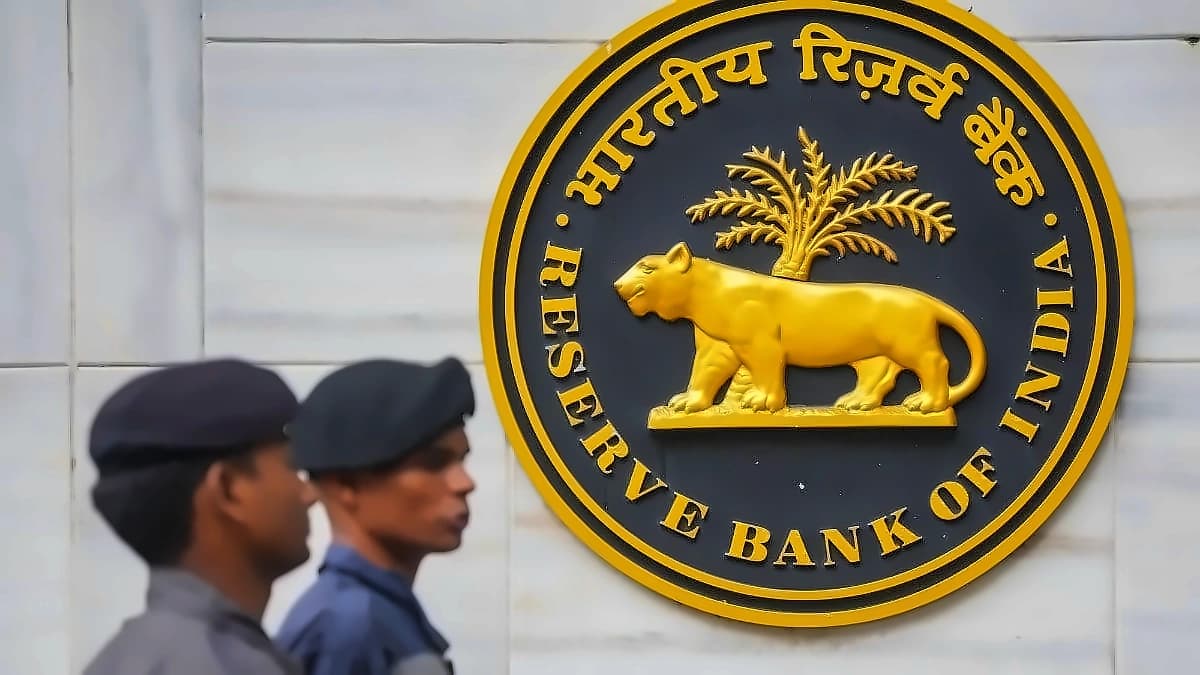
Based on the 'Framework for Responsible and Ethical Enablement of Artificial Intelligence' (FREE-AI Report) released by the Reserve Bank of India on August 13, 2025, the central bank has provided a comprehensive roadmap for AI adoption in credit underwriting. As reported by Mint, roughly 20.8% of surveyed entities (mostly large banks & NBFCs) were using or developing AI systems, with 13.7% of these applications focusing on credit underwriting. These institutions primarily use AI for document verification, credit risk assessment, and automated decision-making, with AI models increasingly using non-traditional data such as GST filings, telecom usage, e-commerce behavior, and utility payments. The framework emphasizes data privacy, security, and regulatory compliance by design while enabling safe, regulated innovation through automated deployment of containerized microservices. Successful enterprise AI adoption in BFSI requires building the right foundations with AI-ready data systems and culture and establishing robust enterprise AI governance frameworks before any model can deliver lasting value, with explainability and auditability determining whether model outputs can be explained to regulators in plain language.