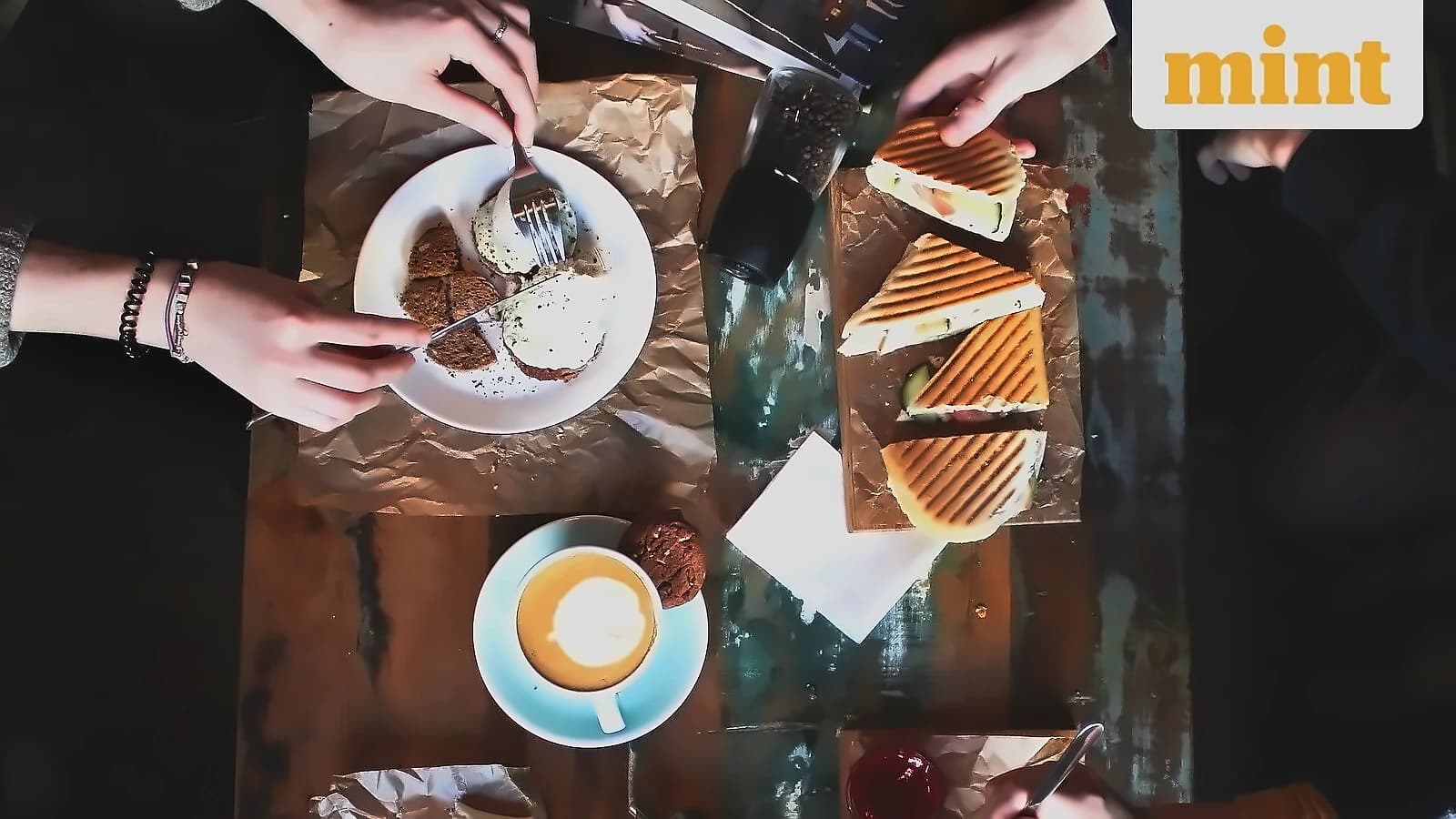
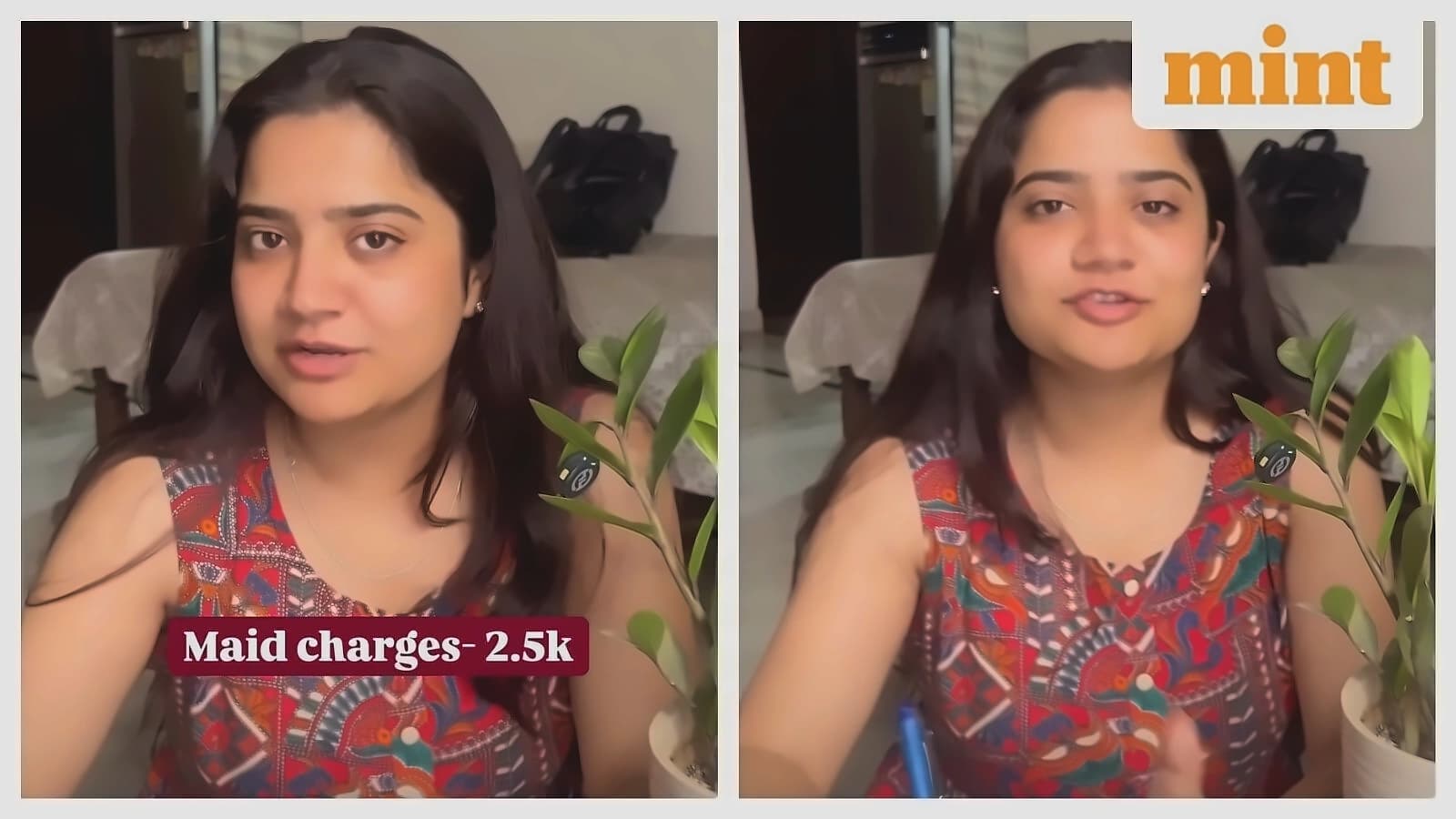
A 25-year-old Delhi professional earning ₹50,000 monthly faces the challenge of saving ₹10,000 while maintaining social life. After paying ₹20,000 for rent, utilities, and commuting, the remaining income is consumed by frequent unplanned dining-out expenses. The solution involves creating a structured budget that balances financial goals with lifestyle preferences, with AI-generated strategies emphasizing automation and controlled spending limits.
The recommended budget structure allocates ₹10,000 to savings as the first priority, with ₹7,000 for groceries and home-cooked meals, ₹3,000 for dining out, and ₹2,000 for food delivery. As reported by Livemint, the key rule involves transferring ₹10,000 to savings immediately after salary credit, treating it as a mandatory bill. The remaining expenses include ₹3,000 for mobile and subscriptions, ₹5,000 for entertainment and shopping, and ₹1,500 each for personal care and miscellaneous expenses. AI-generated strategies suggest setting up separate spending buckets where once a bucket is empty, no additional spending is allowed until next month.
The strategy emphasizes weekly meal planning with Sunday preparation sessions. According to Livemint, this involves creating a meal plan for the week, buying groceries once instead of multiple small purchases, and preparing basic ingredients like chopped vegetables, cooked rice, and boiled eggs. The recommended weekly menu includes oats, eggs, poha, upma, home-cooked rice or roti with dal and vegetables, and chicken, paneer, or eggs for dinner. AI-generated tips include cooking at least five dinners at home, carrying lunch to work whenever possible, and identifying triggers for impulse ordering to reduce unnecessary snack and beverage purchases.
The budget includes ₹3,000 monthly for dining out, approximately ₹700-800 per restaurant outing, and ₹2,000 for food delivery, around four orders monthly. As reported by Livemint, the '24-hour rule' is recommended before ordering food - asking whether one is truly hungry, if a meal can be prepared at home in 15 minutes, and whether it will still be desired tomorrow. The strategy includes no-order days from Monday to Thursday, allowing food delivery only on weekends. AI-generated recommendations suggest restricting food delivery to one order and budgeting around ₹700-800 per restaurant outing while avoiding ordering meals that can be prepared quickly at home.
The recommended 30-day action plan includes opening a separate savings account, setting up automatic transfers, and tracking every expense daily. According to Livemint, the approach emphasizes automating savings, capping dining-out and food-delivery spending at ₹5,000 monthly, planning meals weekly, and tracking expenses consistently. The strategy aims to help professionals achieve 20% savings while maintaining occasional restaurant meals and social outings. AI-generated strategies suggest completing a monthly expense review and transferring any leftover food budget to savings, with the goal of creating a spending plan that balances enjoyment and savings without eliminating restaurant meals completely.