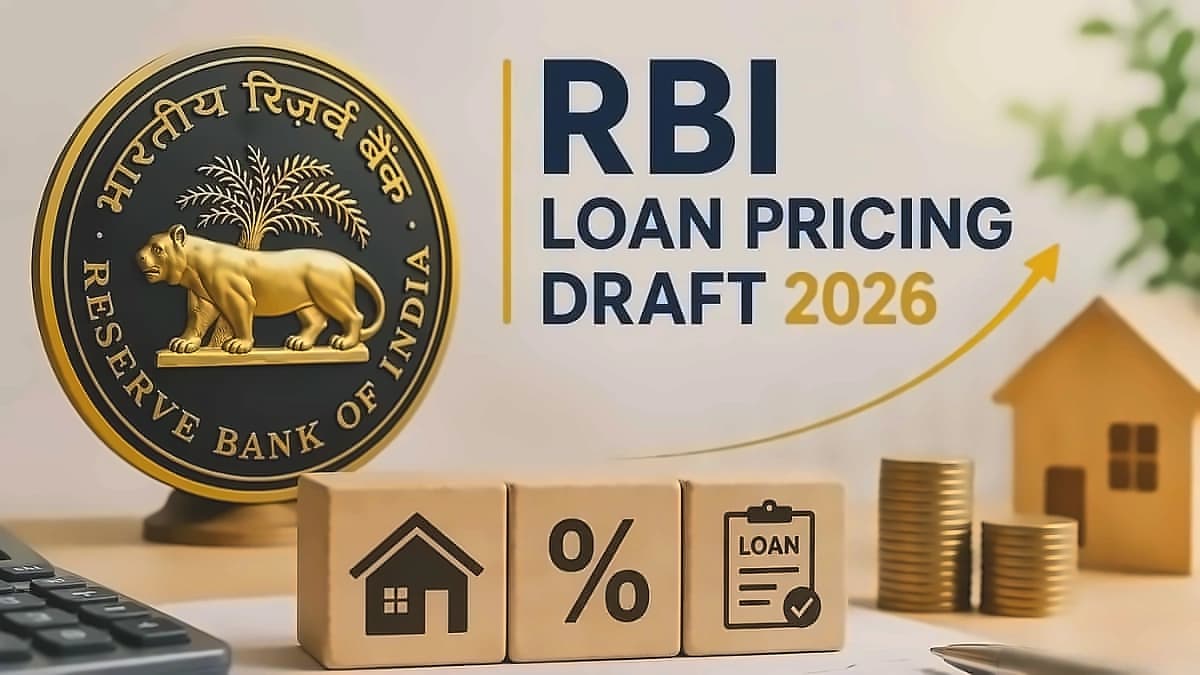
The Reserve Bank of India introduced significant policy changes in 2014 that made education loan prepayment more accessible to borrowers. According to reports from Mint, the RBI eliminated foreclosure and prepayment penalties on floating-rate education loans, providing protection to individual borrowers. However, many private banks and NBFCs continued imposing foreclosure charges until 31 December 2025. The regulatory landscape shifted further with RBI's Pre-payment Charges on Loans Directions, 2025, which came into effect from 1 January 2026 and applies to all eligible loans sanctioned or renewed after this date.
As reported by Mint, borrowers should carefully evaluate their loan terms and interest structures before deciding on early closure. The analysis should consider interest rate levels and remaining principal amounts. Closing a loan becomes optimal when interest rates are relatively high and several years remain on the loan term. Conversely, loans approaching maturity may not benefit significantly from early prepayment, making timing a crucial factor in the decision-making process.
According to the report, maintaining an emergency fund should take priority over clearing education loan dues, even when the feeling of becoming debt-free is attractive. Mint emphasizes that savings of several months of salary are essential for immediate expenses in case of job loss or income disruption. The article recommends against using every rupee of savings for loan prepayment, as emergency funds provide crucial financial security and peace of mind for borrowers.
As reported by Mint, borrowers must consider tax exemption benefits when deciding on early loan closure. The article notes that tax waivers must be evaluated while closing the loan, as early payment does not always guarantee an increase in credit score. Before making prepayment, borrowers should obtain a foreclosure or preclosure statement from the lender specifying the exact settlement amount. After payment, they should secure a loan closure letter or no-dues certificate for future reference.
According to the report, borrowers with secured loans must ensure lenders have returned or released any collateral, security documents, or assets held against the loan. Mint emphasizes that RBI's customer-service guidance states lenders should release securities after repayment, subject to legitimate liens or claims. The article warns against rushing decisions based on bonus receipts or salary hikes, recommending borrowers compare potential interest savings through prepayment with reasonable investment returns before making a final decision.