A credit score is a three-digit number that represents your credit behaviour, serving as your financial report card that showcases how responsible you are in managing debt, including personal loans and credit cards. According to reports from Mint, the credit score range spans from 750-900 (Excellent), 700-749 (Good), 650-699 (Fair), and below 650 (Poor). A score above 750 generally indicates responsible management of finances and boosts chances of personal loan approval and better interest rates, while scores below 650 can make borrowing expensive and result in complete rejection or very high interest rates. For home loans specifically, most lenders require a minimum CIBIL score of 700, though 750 or above is strongly recommended for the best interest rates and fastest approval. Anything below 650 is likely to result in rejection from most banks, though some NBFCs and housing finance companies may approve with higher rates and stricter terms.
To improve a credit score below 650, paying EMIs on time and avoiding debt drag is essential for constructing strong credit history and building trust with lending institutions. As reported by Mint, credit utilisation should stay below 30% of your limit - for example, using only ₹25,000-₹30,000 of a ₹1,00,000 credit limit. Avoiding multiple loan applications prevents 'hard checks' that can quickly reduce credit scores, while clearing outstanding dues and focusing on high-interest debt first helps prevent debt cycles. Setting up auto-pay reminders ensures timely payments and prevents missed payments that can drop scores by 50-100 points. Keeping old accounts active demonstrates responsible borrowing history, and regularly checking credit reports for accuracy is crucial for maintaining a healthy score. The length of credit history matters for about 15% of your score, so do not close old credit cards, especially if they have no annual fee - old accounts show long credit history that helps your score. According to recent reports, credit utilisation matters enormously for your CIBIL score, with experts recommending keeping usage below 30% of your credit limit, such as not spending more than ₹30,000 in a billing cycle if your limit is ₹1 lakh.
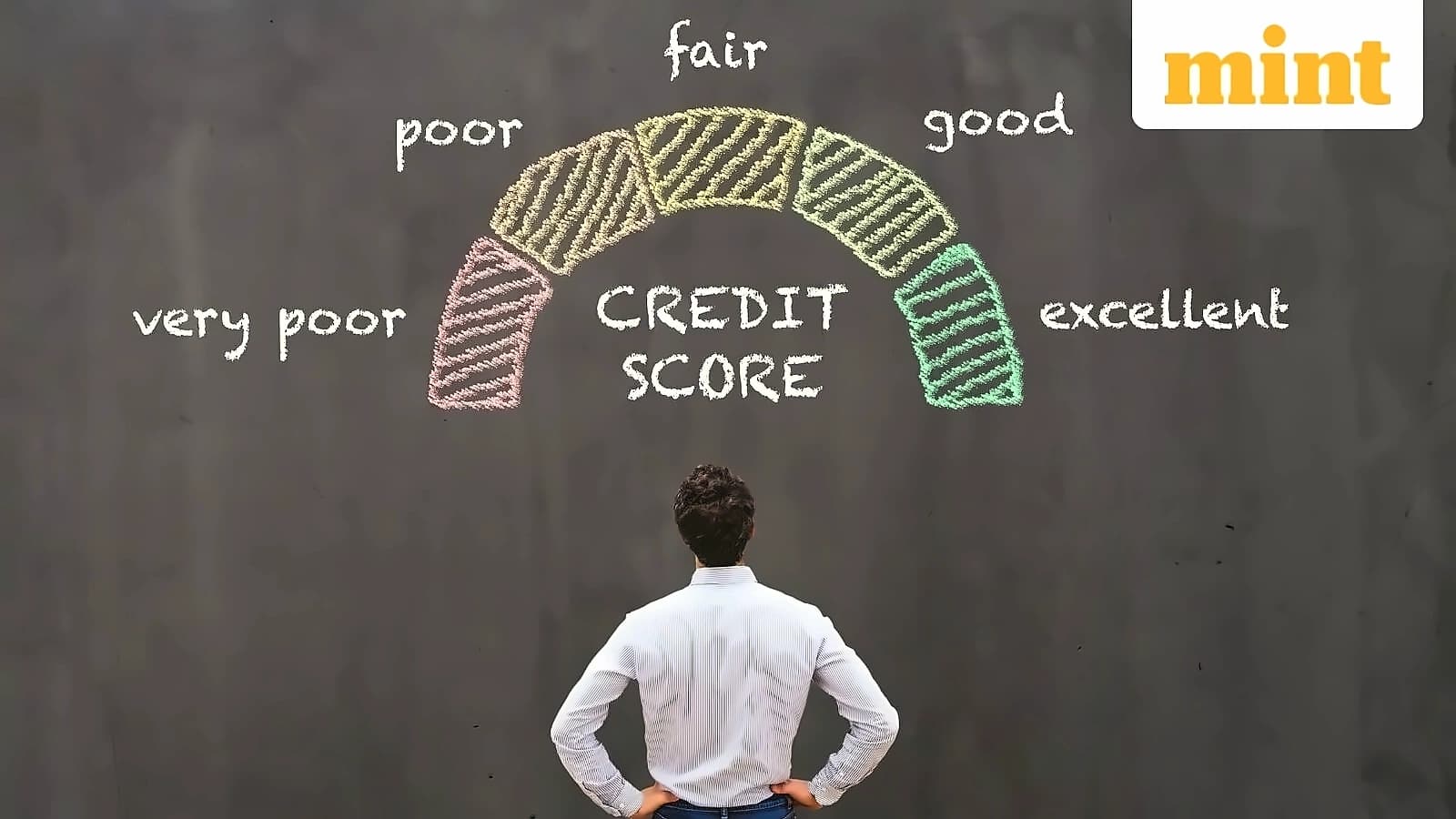
According to financial experts cited by Mint, a credit score below 650 can make borrowing difficult and result in higher interest rates or complete rejection of debt applications. The report emphasizes that credit scores are not permanent records and can be improved through consistent repayment and responsible credit practices. Even a 50-point score improvement can save you ₹2-4 lakhs in total interest on a ₹50 lakh home loan over 20 years. Disciplined repayment, controlled credit usage, and consistent monitoring are key to gradually rebuilding financial integrity. For home loans specifically, a score of 750+ can help you save ₹3-5 lakhs in interest over the life of a ₹50 lakh home loan. A better credit score not only improves loan approval chances but also helps individuals save significantly on interest costs in the long run, making it essential to consult certified financial advisors for sensible borrowing decisions.
The impact of credit scores on home loan interest rates is substantial and varies significantly across score ranges. With a score of 750+, you might get an interest rate around 8.5% per annum, with EMI approximately ₹43,400 per month and total interest payout over 20 years of roughly ₹54 lakhs. With a score between 700-749, the rate might go up to 9.25%, increasing EMI to about ₹46,000 and total interest to around ₹60 lakhs - that's ₹6 lakhs more than the excellent score category. With a score between 650-699, if you get approved at all, the rate could be 10% or higher, with EMI climbing to ₹48,200 and total interest crossing ₹65 lakhs - a difference of ₹11 lakhs compared to the excellent score category. This demonstrates why investing time in improving your score before applying is one of the best financial decisions you can make, as the numbers clearly show the life-changing amount of savings possible. Recent reports highlight that most Indian credit cards charge 36-42% per year on outstanding balances, emphasizing the importance of paying full bills before due dates to avoid expensive debt traps.