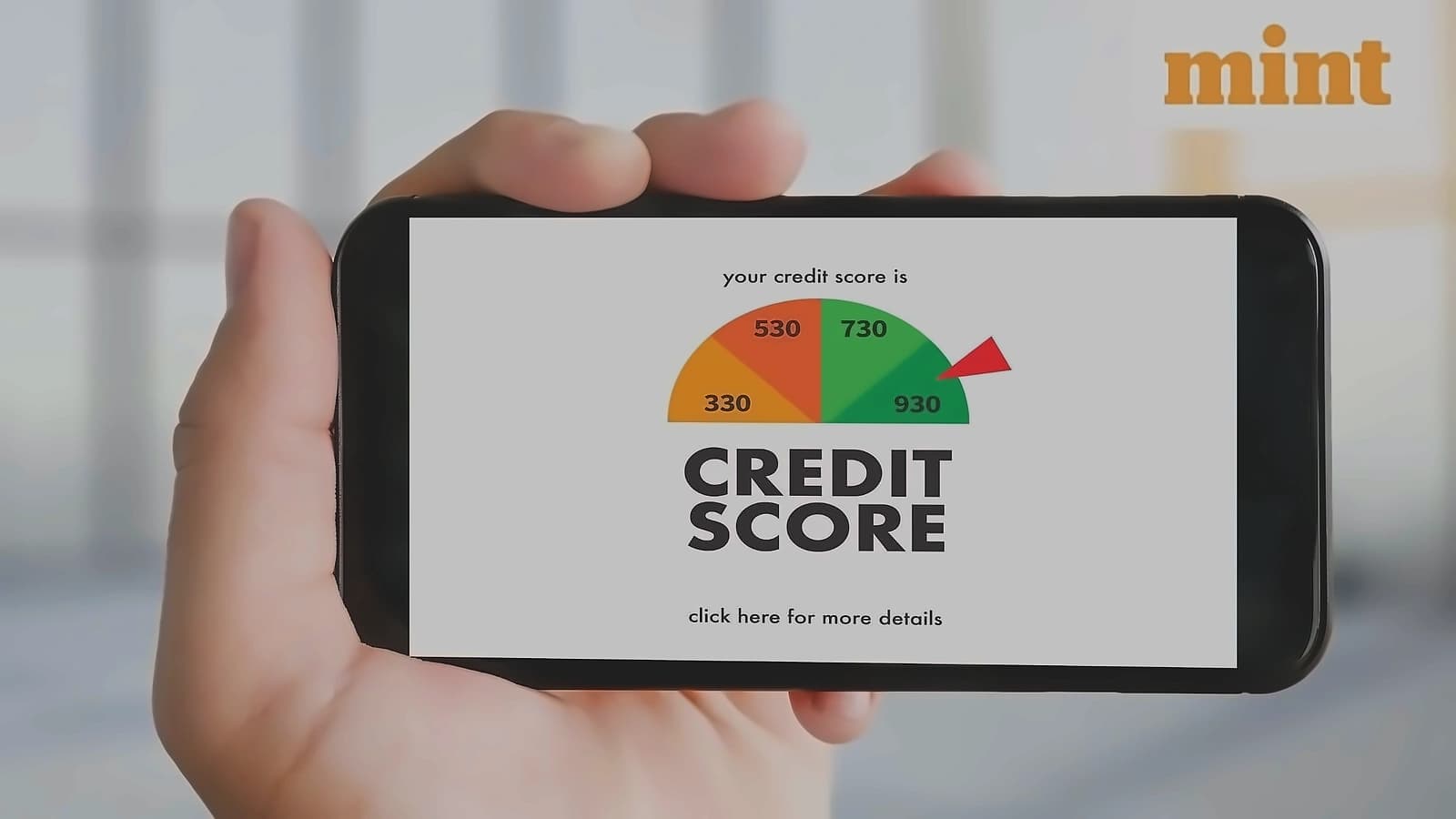
When managing seasonal expenses through multiple credit lines, your credit profile undergoes rapid changes that require careful management. According to reports from BankBazaar.com, every time you formally submit a loan application, lenders check your credit history, creating what is known as a hard inquiry. While a single hard check is normal, submitting multiple applications in a short period can temporarily impact your credit score. In India, your CIBIL score ranges between 300 and 900, and keeping applications selective ensures your score remains strong and stays well above the excellent 750 threshold. As reported by multiple financial sources, maintaining a healthy credit score is crucial as it directly impacts your ability to secure favorable loan terms and interest rates when applying for credit products.
In today's digital shopping environment, choosing No-Cost EMIs or Buy Now, Pay Later (BNPL) services at checkout may feel simple, but these services are technically micro-unsecured loans. As reported by BankBazaar.com, if you open several micro-loans simultaneously for different purchases, each one is reported to the credit bureaus. While having a few well-managed accounts is positive, accumulating too many active loan accounts can make your credit report look cluttered, potentially affecting your long-term borrowing capacity. According to financial experts, these micro-loans, while convenient, should be managed carefully as they contribute to your overall credit utilization and can impact your creditworthiness assessment by lenders.

Your credit utilization ratio measures how much of your available credit card limit you are using, and maintaining excellent credit management requires keeping this below 30% of your total limit. According to BankBazaar.com, swiping multiple credit cards or opening multiple credit lines for seasonal shopping can quickly push you past this healthy limit. By staying under the 30% mark, you demonstrate excellent credit management that keeps your score healthy and growing. As reported by financial experts, maintaining low credit utilization across all accounts shows financial discipline and reduces the risk of exceeding your credit limits, which positively impacts your credit score and overall creditworthiness. Mint reports that increasing your credit limit while keeping spending the same lowers this percentage, though a higher limit should not become a reason to spend more.
Lenders appreciate a balanced credit profile that includes a mix of secured loans, like a car loan, and unsecured credit, like personal loans. As reported by BankBazaar.com, taking on multiple unsecured loans for holiday shopping can tip the balance of your credit mix too far toward unsecured debt. Maintaining a diverse and balanced portfolio shows that you can manage different financial responsibilities successfully, which significantly improves your future loan eligibility and keeps your credit rating stable. According to financial advisors, having a balanced credit mix demonstrates your ability to handle various types of credit responsibly, which enhances your creditworthiness and improves your chances of securing favorable credit terms in the future.
One effective habit is comparing financial products before committing to them, using digital financial portals to compare interest rates and repayment terms without triggering hard checks on your report. According to BankBazaar.com, instead of applying to three different banks to see who offers the lowest interest rate, these platforms allow you to confidently choose the single best option for your budget and apply only once, preserving your credit score. Managing your finances during periods of high discretionary spending requires balance and proactive planning, with borrowing serving as a fantastic tool to manage major purchases without stress while keeping long-term credit health in mind. As reported by financial experts, this approach helps you make informed decisions without damaging your credit profile, ultimately leading to better credit management and improved creditworthiness.