
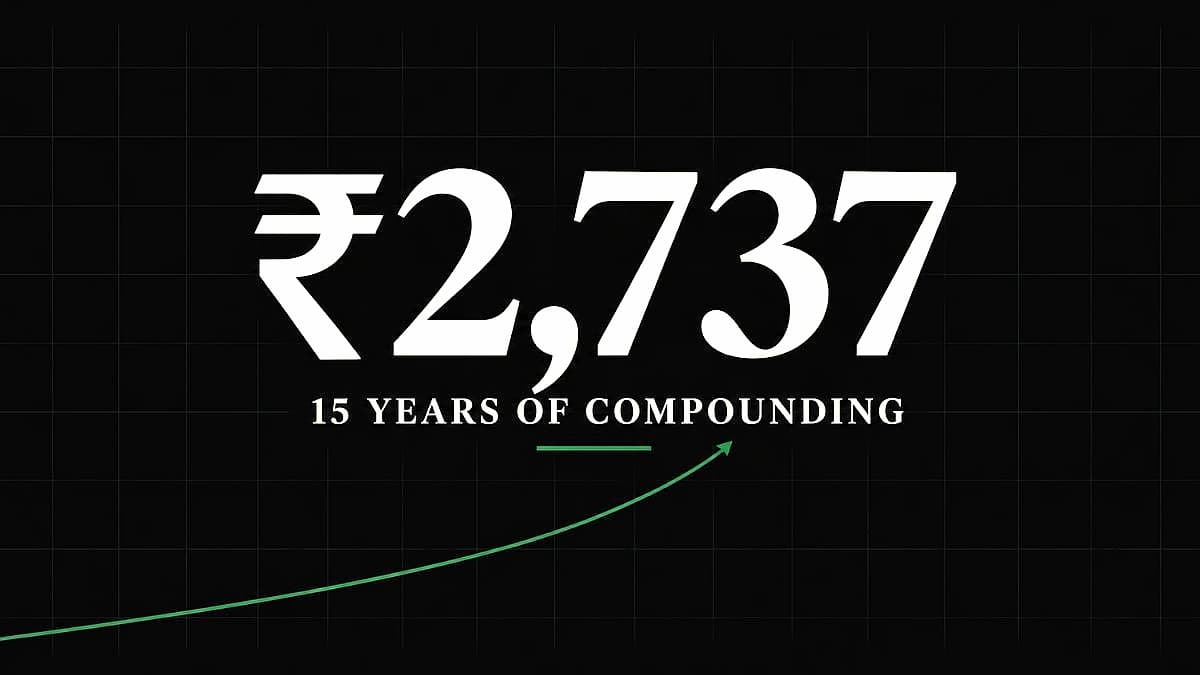


A comprehensive comparison reveals the significant financial impact of fee structures on long-term investment returns. According to reports from the source, a ₹1 lakh index mutual fund and an active fund both achieved the same 12% growth rate over a 15-year period. However, the fee differential created substantial wealth erosion for index fund investors.
The analysis demonstrates how fee structures can dramatically impact investment outcomes over extended periods. As reported by the source, the fee gap alone cost investors ₹93,000 over the 15-year investment horizon. This substantial difference highlights the long-term impact of active management fees on portfolio performance.
The comparison reveals that both fund types delivered identical 12% annual returns during the 15-year period. According to the source, this performance consistency across fund categories demonstrates that fee structure, rather than investment strategy, becomes the primary determinant of wealth accumulation over long-term investment horizons.
The findings suggest that investment strategy selection may have minimal impact on long-term returns when compared to fee structure considerations. As reported by the source, the analysis indicates that over a 15-year investment horizon, fees can erode significant portions of investment returns, making cost efficiency a critical factor in portfolio construction and wealth accumulation strategies.