
As the Union Budget 2026-27 prepares for tabling on Sunday, February 1, Deloitte India has called for comprehensive support measures for micro, small and medium enterprises, emphasizing their critical role in India's export ecosystem. The consulting firm's recommendations come at a strategic time, following the Central Board of Indirect Taxes and Customs (CBIC) extension of export incentive schemes to postal shipments effective January 15, 2026. According to Deloitte, "Strengthening MSMEs will safeguard jobs and drive inclusive economic growth, boost rural incomes and support India's ambition to become a global manufacturing hub." The firm has recommended enhanced export credit availability, concessional financing and simplified digital compliance systems to reduce regulatory burden on small businesses, particularly as they navigate both new opportunities from postal export reforms and challenges from global trade uncertainties.
The Central Board of Indirect Taxes and Customs (CBIC) has extended export incentive schemes including duty drawback, remission of duties and taxes on exported products (RoDTEP), and rebate of state and central taxes and levies (RoSCTL) to postal shipments effective January 15, 2026. Described by the government as a "landmark measure", the update allows exporters to access benefits under these schemes through the postal mode. In a set of three notifications issued late on Thursday, the Department of Revenue updated electronic postal export documentation and amended the RoDTEP and RoSCTL schemes to bring postal exports on par with cargo cleared through ports and airports. The CBIC has replaced existing postal export declaration formats with two revised electronic forms—PBE-III for e-commerce-driven postal exports and PBE-IV for other postal exports, where PBE stands for Postal Bills of Export. According to the Ministry of Finance, this initiative aims "to provide a level playing field for exporters using the postal channel and to create a conducive and inclusive ecosystem for the growth of cross-border e-commerce."
The decision to extend export incentives to postal shipments is expected to significantly enhance the competitiveness of micro, small and medium enterprises (MSMEs), particularly those based in smaller towns and remote areas. According to the Ministry of Finance, the initiative is "expected to significantly enhance the competitiveness of MSME exporters, especially those located in smaller towns and remote areas, and give a major fillip to postal exports." Deloitte India emphasizes that MSMEs contribute 30.1% to GDP, account for 45.79% of India's exports and employ nearly 290 million people, making them crucial for economic stability. The biggest beneficiaries are MSMEs, e-commerce sellers, artisans and first-time exporters who rely heavily on postal services due to lower costs and simpler logistics. According to AMRG & Associates senior partner Rajat Mohan, "Many exporters send goods abroad through the postal route, which is legally permitted under the Customs Act. However, because export incentive rules were largely written keeping traditional shipping bills in mind, these postal exporters often faced denial or delay of benefits." The changes also bring more certainty, reduce disputes with field officers and help exporters plan their cash flows better, while supporting the integration of MSMEs into international markets.
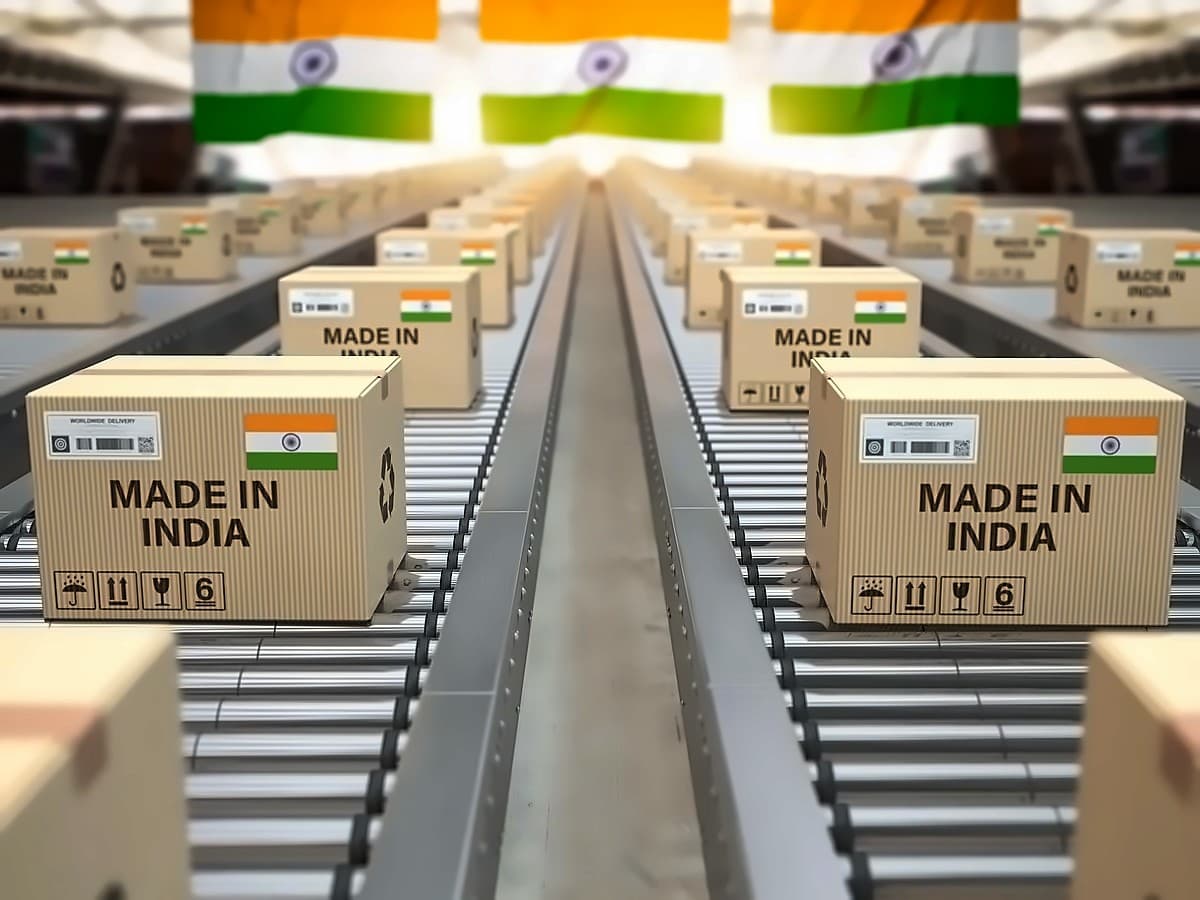
The regulatory overhaul and Budget expectations come at a time when exporters face heightened uncertainty from global trade tensions. Deloitte Economist Rumki Majumdar highlighted that rising uncertainty from tariff hikes, changes in rules of origin and non-tariff barriers could disproportionately affect Indian exporters. While the direct impact of global trade frictions on GDP growth may be limited to 40-80 basis points, the spillover effects on MSMEs and employment could be far more severe. The MSME sector, which accounts for around 45% of India's exports, faces significant challenges, with CRISIL Intelligence reporting that MSMEs in textiles, diamonds and chemicals are likely to be the most hit. Deloitte has called for targeted export incentives or enhanced duty drawback support for tariff-sensitive sectors such as ready-made garments, gems and jewellery, and leather. The expansion of postal export capabilities reflects a broader push to use the postal network as an export enabler, aligning with the Prime Minister's 'One District One Product' initiative and supporting ODOP items and GI-tagged products with strong overseas demand.
To facilitate the extended export incentives, the CBIC has approved specific amendments to the Postal Export (Electronic Declaration and Processing) Regulations, 2022. This regulatory change builds upon existing infrastructure, including the 28 notified Foreign Post Offices (FPOs) and the innovative 'Hub and Spoke' model launched in collaboration with the Department of Posts in December 2022. This model utilizes over 1,000 Dak Niryat Kendras (DNKs) across the country to assist with the booking and processing of export parcels. India Post has expanded its International Tracked Packet Service (ITPS) to 135 destinations, operating around 165,000 post offices, including over 149,000 in rural areas, providing unmatched reach for last-mile export logistics with consignments up to 2 kg to most countries and up to 5 kg to select destinations such as the UK, Canada and the US. The government views this expansion of incentives as a critical step in its broader economic strategy, with officials stating that "the extension of export incentives to postal shipments marks another important milestone in the Government's ongoing efforts to simplify procedures, reduce costs, and promote inclusive growth of India's exports," ultimately strengthening India's standing in the global digital economy.