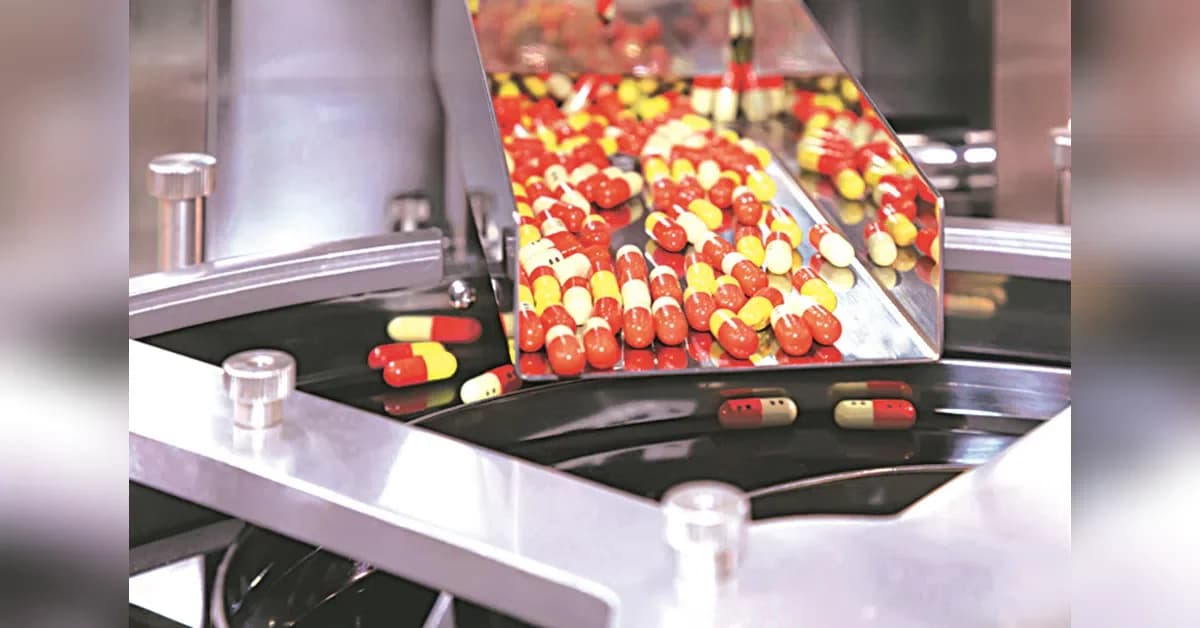
India's pharmaceutical sector demonstrated remarkable resilience in the first quarter of fiscal year 2027, with exports growing 6.8% to reach $8.1 billion despite severe supply chain disruptions from conflicts in West Asia. According to reports from Mint and Asian News International (ANI), Pharmaceutical Export Promotion Council of India (Pharmexcil) chairman Namit Joshi stated that war-related supply chain shocks have become the 'new normal' for the industry. The sector faced significant challenges including shipping route closures in the Strait of Hormuz and air-cargo collapses that stranded vaccines and vital raw materials, yet maintained strong export performance. Maritime conflicts in West Asia have lengthened shipping routes around Africa, increasing ocean transit times by up to two weeks and elevating container freight costs, which compresses operating profit margins for exporters.
The United States remains India's largest pharmaceutical export market, importing $2.50 billion worth of drugs in Q1 FY27, representing 30.89% of India's total pharmaceutical export basket. Drug formulations and biological products make up the largest category, representing 73.85% of total export shipments valued at $5.98 billion. According to Asian News International (ANI), the US market dominance is driven by oral solids, generic injectables, and biosimilars, while other key destinations include the UK (4.75% share), Canada (4.20% share), and European markets (3.65% share). The strong performance signals sharp acceleration in global generic drug demand and sets the stage for a potential $32+ billion export tally for the full fiscal year.
India's pharmaceutical market showed robust growth in August 2026, with sales value rising 10.7% to ₹23,272 crore despite recording its lowest volume growth in three months at 1.1%. As per Business Standard, the market was primarily driven by new product introductions and high sales value growth across both acute and chronic therapies. Among chronic therapies, cardiac drugs grew 15.1% to ₹3,229 crore and anti-diabetes drugs increased 15% to ₹2,197 crore. In acute therapies, pain and analgesics rose 11.3% to ₹1,675 crore, while anti-infectives and respiratory drugs showed muted growth of 2.7% and 2.2% respectively. Notable performers included AstraZeneca (26.5% monthly growth), Corona Remedies (22%), La Renon (19.3%), and Zydus (19.1%).

The pharmaceutical market is valued at over $50 billion and is projected to reach $130 billion by 2030, as reported by Mint. MSMEs operate approximately 60% of the country's manufacturing facilities, running over 6,000 of India's 10,300 pharma factories. These small and medium enterprises are crucial for sustaining the sector's growth trajectory, though they face significant regulatory compliance costs that could impact their competitiveness. The sector's reputation as the 'pharmacy of the world' received robust statistical validation as outbound pharmaceutical shipments accelerated despite heightened global supply chain friction.
The Indian government is implementing the Production Linked Incentive (PLI) scheme for bulk drugs and key starting materials, providing financial incentives to encourage domestic chemical synthesis and fermentation plants. According to Asian News International (ANI), the PLI scheme aims to reduce dependence on Chinese bulk imports through scaling domestic PLI fermentation units for Penicillin G, 7-ACA, and Paracetamol. To solidify international gains, Pharmexcil aims to secure $1.4 billion in trade opportunities at its upcoming iPHEX 2026 conference in New Delhi, scheduled from 7 to 9 September at Bharat Mandapam. Corporate mitigation strategies include establishing 60-day buffer inventory warehouses in Europe and North America, and negotiating annual contracted shipping rates with freight pass-through clauses.