The Union Budget for FY27 has proposed mandatory Trade Receivables Discounting System (TReDS) settlement for all purchases made from micro, small and medium enterprises (MSMEs) by central public sector enterprises (CPSEs). According to reports from Working Capital India, Finance Minister Nirmala Sitharaman noted that TReDS platforms have already enabled MSMEs to receive financing of nearly ₹7 lakh crore (US$76.3bn). The proposal aims to strengthen timely payments and improve access to affordable working capital for MSMEs, with the mandate expected to serve as a benchmark for the wider corporate sector.
The Budget has announced a ₹10,000 crore SME Growth Fund to integrate MSMEs into long-term growth and export plans. As reported by CAIT, the fund will be built on equity support, better liquidity and professional guidance, helping small businesses scale up operations without immediate repayment pressure. CAIT Secretary General Praveen Khandelwal described this as a shift from short-term liquidity support to building long-term business capacity. The fund will enable MSMEs to invest in technology, expand production and explore export markets without immediate repayment pressure.
To further support liquidity, the Budget introduced a credit guarantee support mechanism through the Credit Guarantee Fund Trust for Micro and Small Enterprises (CGTMSE) for invoice discounting on TReDS platforms. As reported by Working Capital India, the government also proposed linking the Government e-Marketplace (GeM) with TReDS to facilitate information sharing with financiers on government purchases from MSMEs, enabling quicker and lower-cost financing. These measures are expected to widen MSME participation on TReDS platforms and attract new investor classes to the securitization market.
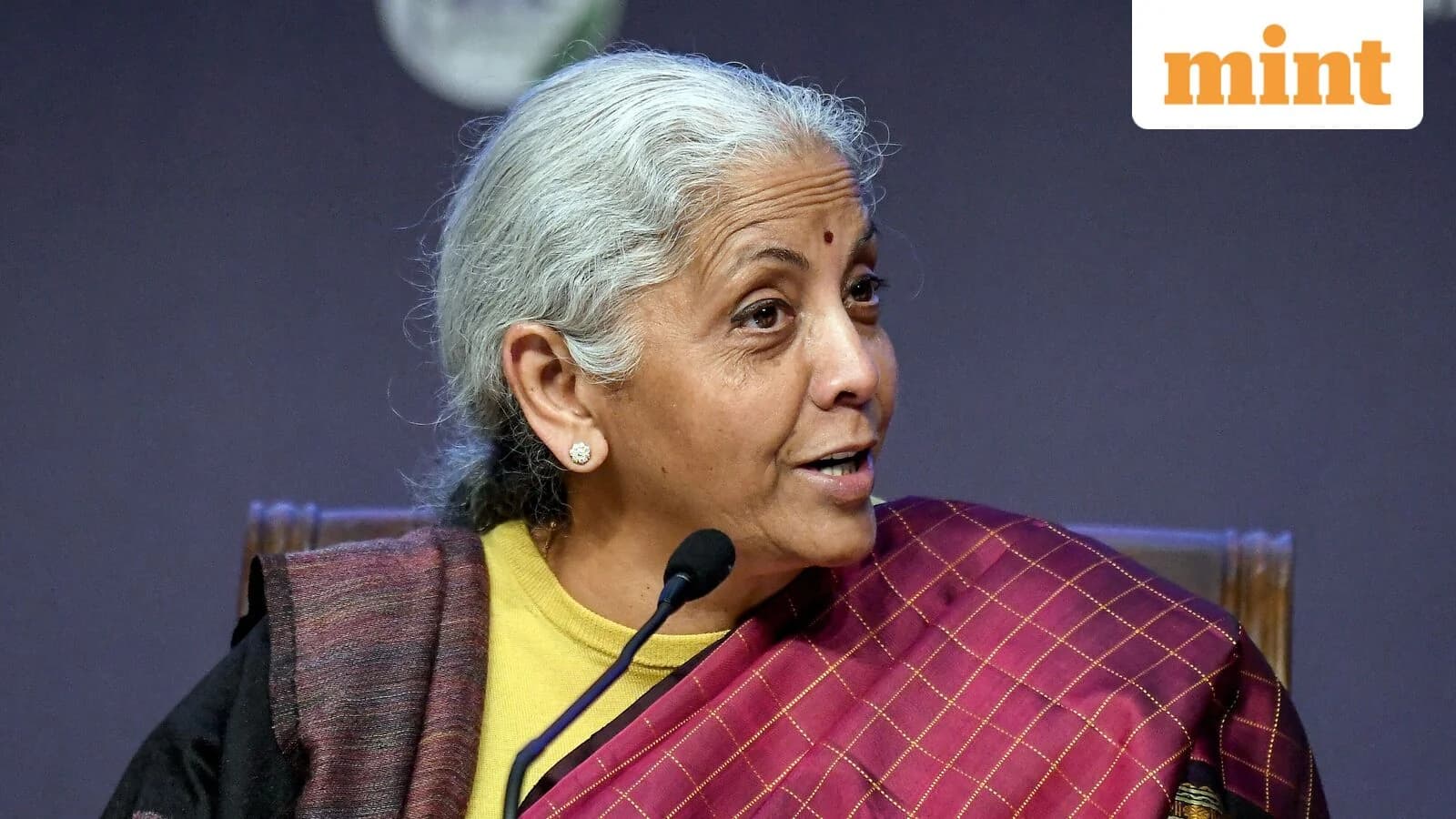
The Union Budget for 2026-27 has proposed creating a secondary market for MSME invoices by allowing these receivables to be packaged as asset-backed securities. According to reports from Mint, Finance Minister Nirmala Sitharaman proposed to "introduce TReDS receivables as asset-backed securities, helping develop a secondary market, enhancing liquidity and settlement of transactions." The proposal aims to broaden funding avenues for micro, small and medium enterprises (MSMEs) by turning verified invoices into tradable instruments, enabling banks and non-banking financial companies (NBFCs) to recycle capital and attract longer-term investors.
While there is no separate data for securitization of receivables, rating agency Icra Ltd estimates that overall securitisation volumes grew 2% year-on-year to ₹1.87 trillion in the first nine months of FY26, with 9MFY26 volumes driven by a few large corporate transactions. As reported by Mint, banks and NBFCs were previously reluctant to lend to MSMEs, leading to low disbursals under flagship schemes such as the PM Employment Guarantee Programme for MSMEs. Reserve Bank of India governor Sanjay Malhotra had urged lenders to maintain sound underwriting standards and closely monitor loan quality.
Sanjay Doshi, partner and head, transaction services and financial services advisory, KPMG in India, stated that "Recognizing TReDS receivables as asset-backed securities would fundamentally elevate MSME financing by transforming verified invoices into a trusted investment asset." According to Doshi, the shift can attract deeper institutional capital, lower the cost of working capital for MSMEs, and create a more liquid, transparent and resilient credit ecosystem. As reported by Mint, Veeramani C, professor and director, Centre for Development Studies, described the move as a positive step toward easing access to capital for cash-strapped MSMEs. Experts suggest that while delayed payments by large private buyers remain a major challenge, with over ₹8 lakh crore (US$87.4bn) still locked in overdue receivables, a phased, broader mandate of TReDS for all credit-based MSME procurement could deliver more systemic relief.