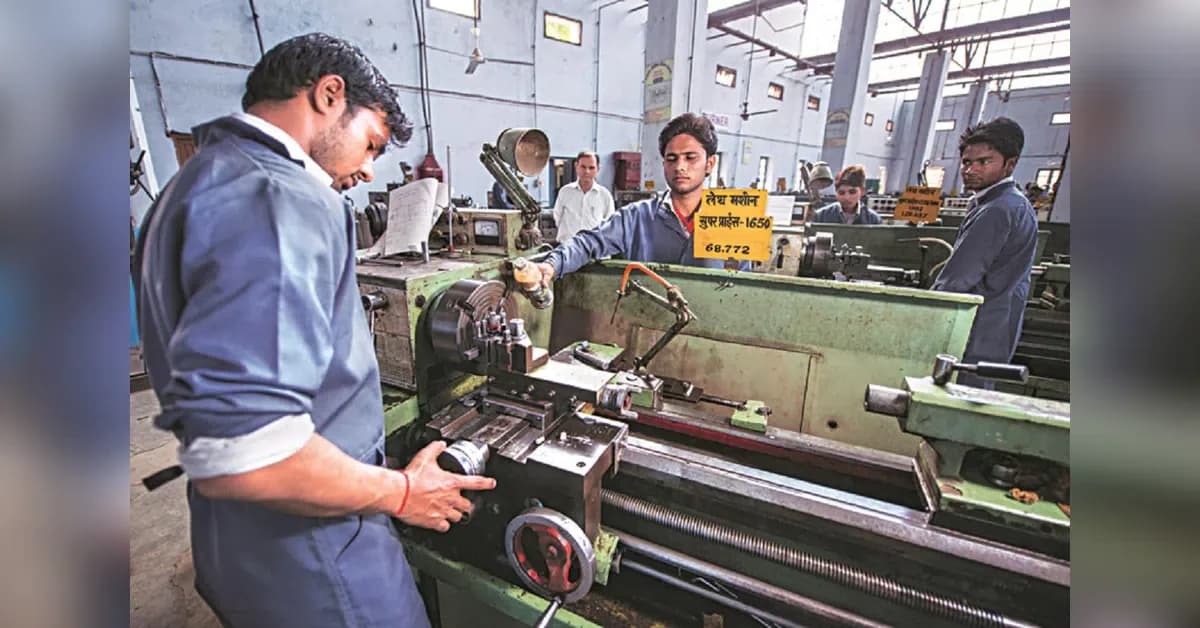
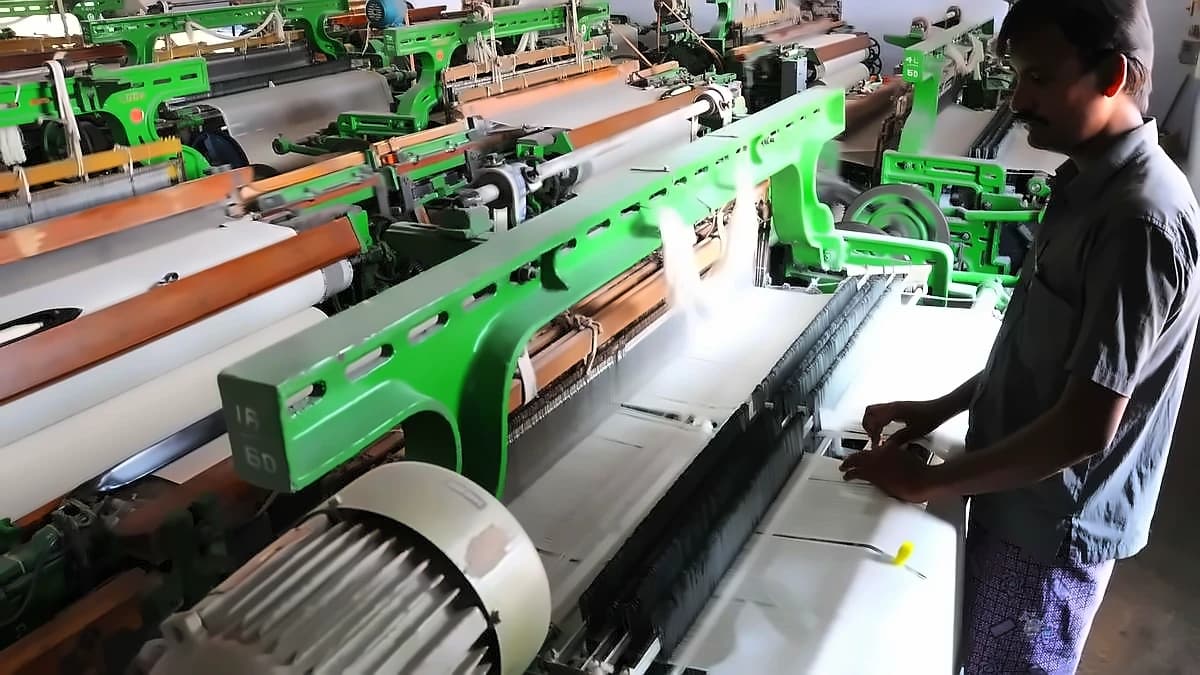
The Centre has made it mandatory for all Central Public Sector Enterprises (CPSEs) to route payments for goods and services procured from micro, small and medium enterprises (MSMEs) through the Trade Receivables Discounting System (TReDS), according to the latest guidelines notified by the Ministry of MSME on June 30, 2026. The notification fulfils a commitment made in the Union Budget 2026-27 and requires all operating CPSEs to onboard RBI-regulated TReDS platforms and settle MSME invoices through them. The move is intended to position Central Public Sector Enterprises as role models for timely payment discipline for large corporate buyers across the country, with the government expecting the revised guidelines to improve access to working capital for MSMEs by promoting greater use of invoice financing on RBI-regulated platforms.
Under the revised guidelines, CPSEs must disclose details of invoices routed and settled through TReDS in the form and manner specified by the Reserve Bank of India (RBI) and obtain a certificate from their statutory auditors confirming registration on at least one TReDS platform and compliance with the notification during their annual audit. The notification requires CPSEs to disclose details of MSME invoices routed and settled through TReDS as specified by the RBI and to obtain a statutory auditor's certificate of TReDS registration and compliance during their annual audit. The change is intended to address delayed payments faced by small businesses, which have remained one of the biggest constraints on MSMEs according to industry associations. Discounting of invoices remains optional for MSME suppliers.
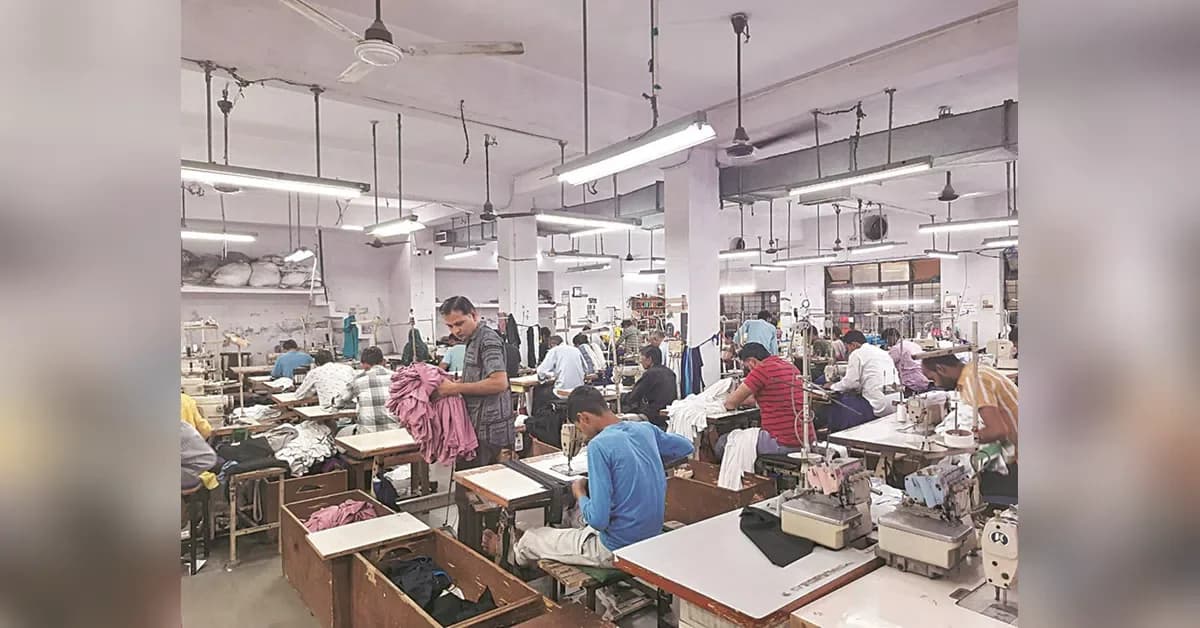
According to the ministry, more than 8.70 crore enterprises are registered on the Udyam Registration Portal and Udyam Assist Platform, providing employment to more than 38 crore persons. With every CPSE invoice flowing through TReDS, MSME suppliers can convert approved invoices into cash well before the due date. The move will help end long payment delays faced by MSMEs and provide them working capital within a short span of time at competitive rates of interest. Financing on TReDS is collateral-free and without recourse to the seller, with banks and NBFCs bidding competitively to discount invoices. Anil Bharadwaj, secretary general of the Federation of Indian Micro and Small & Medium Enterprises (FISME), noted that while the mandate is a step forward for MSMEs, the government should extend it further to state PSUs and electricity boards, and seek greater participation from the private sector.
TReDS is an RBI-regulated electronic platform launched in 2017 to finance trade receivables of MSMEs from corporates, government departments and public sector undertakings. Five platforms—RXIL, M1xchange, Invoicemart, C2treds and DTX—are currently operational. Invoice discounting through TReDS has increased to ₹3.47 lakh crore in FY26 from ₹40,000 crore in FY22, according to the ministry data. The platform allows MSME suppliers to receive collateral-free invoice financing from banks and financial institutions before the payment due date.
While presenting the Union Budget 2026-27, Finance Minister Nirmala Sitharaman had proposed making TReDS "the transaction settlement platform for all purchases from MSMEs by CPSEs, serving as a benchmark for other corporates." She had also announced a credit guarantee mechanism through CGTMSE for invoice discounting on TReDS, integration of the Government e-Marketplace (GeM) with TReDS to facilitate cheaper financing, and the introduction of TReDS receivables as asset-backed securities to improve liquidity. The Budget also proposed a ₹10,000-crore SME Growth Fund to support high-growth enterprises and a ₹2,000-crore top-up for the Self-Reliant India Fund. The notification gives effect to a key announcement of the Union Budget 2026–27.