The National Stock Exchange's anticipated ₹30,000-crore IPO is moving closer to launch, with SEBI Chairman Tuhin Kanta Pandey confirming on August 27 that the market regulator was close to clearing the draft red herring prospectus (DRHP) filed by NSE. According to The Economic Times, the exchange had initially expected SEBI clearance by early August but the timeline was pushed back by around three weeks following changes to the roster of selling shareholders, with SBI Capital Markets being added. The IPO is expected to launch in the second half of September 2026, marking one of the biggest listings in India's capital market history. At the top end of the marketed valuation of ₹5.26 lakh crore ($55 billion), NSE would rank sixth among global exchange operators by market capitalisation, narrowly behind London Stock Exchange Group Plc and ahead of Nasdaq Inc, according to Bloomberg.
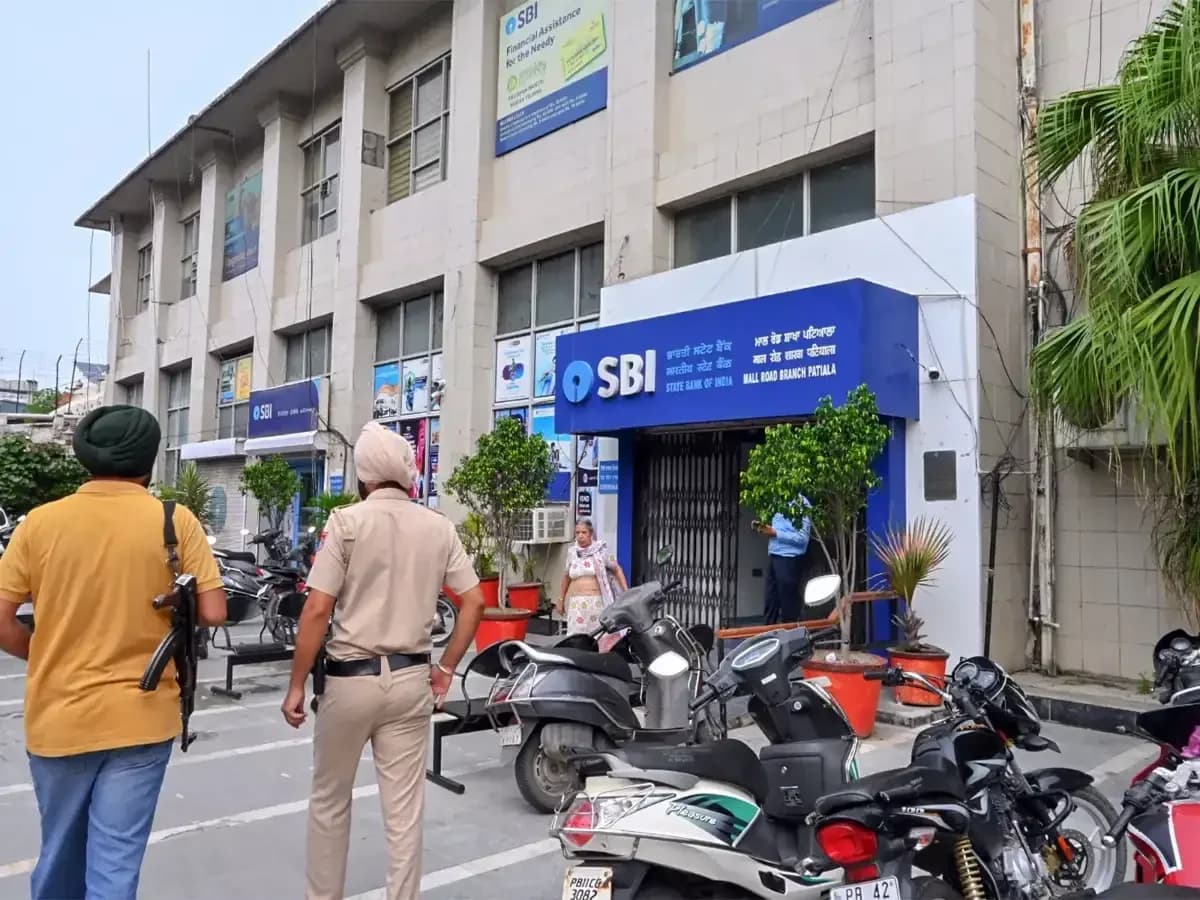
State Bank of India is likely to emerge as one of the biggest sellers, proposing to offload around 2.48 crore shares in the NSE IPO. As reported by The Economic Times and PTI, SBI Chairman C S Setty confirmed the bank's participation in the exchange's upcoming IPO, stating 'We are participating in that divestment. We propose to divest 0.65% and 0.35% by SBI Capital Markets because both of us hold the stake. So together, about 1% as an SBI group... it could be less depending on any other shareholders joining.' The combined stake sale will result in up to 1% dilution of SBI group's total NSE holdings, with SBI proposing to divest 0.65% stake and SBI Capital Markets contributing 0.35% stake. Other key shareholders planning to trim their holdings include MS Strategic (Mauritius) Ltd, Canada Pension Plan Investment Board, Aranda Investments (Mauritius), Bank of Baroda and Stock Holding Corporation of India.
SBI currently holds a 3.23% stake in the National Stock Exchange, while SBI Capital Markets owns 4.33% in the country's largest stock exchange. As reported by The Economic Times and PTI, the total SBI group stake in NSE could be less than 1% depending on participation from other shareholders. The bank clarified that there is no monetisation plan for other subsidiaries in the immediate future. Notably, Life Insurance Corporation of India (LIC), which remains the largest shareholder with a stake of around 10.72%, is not expected to sell any shares through the IPO.
NSE unlisted shares have traded in a range of around ₹1,800-2,150 over the past year, well below its June 2025 peak of ₹2,590. According to The Economic Times, the shares had slipped to around ₹1,950 on July 28-29 before recovering to current levels. With the IPO expected in September, investors are now assessing whether to enter the stock through the unlisted market or wait for the public offering. Unlisted trading involves private negotiations and off-market transfers through specialized platforms, with trades negotiated privately between buyers and sellers. Investors can approach SEBI-registered investment banks, brokers or specialized unlisted-share dealers to facilitate transactions, or purchase shares directly from existing shareholders including promoters and employees.
Last month, SBI successfully completed a major divestment in its mutual fund subsidiary, with the ₹9,800-crore public offer by SBI Mutual Fund being subscribed 42 times. The fund house, along with foreign partner Paris-headquartered Amundi, diluted around 10% stake in the offering. Post-listing, SBI's holding declined to 55.46% from 61.76%, while Amundi's stake reduced to 32.56%, down 3.7%. This successful divestment demonstrates SBI's ability to execute major stake sales while maintaining strong investor confidence.
NSE reported strong financial performance for Q1 FY27, with consolidated profit after tax rising 7% to ₹3,120 crore compared to ₹2,950 crore in the corresponding quarter of the previous fiscal. According to The Economic Times, the exchange's total income increased 9% year-on-year to ₹5,252 crore in the April-June quarter from ₹4,798 crore a year ago. Revenue from transaction charges, the exchange's largest income source, rose to ₹3,623 crore during the quarter from ₹3,154 crore in the year-ago period. Other revenue streams included revenue from data connectivity charges at ₹258 crore, operating investment income at ₹234 crore, and revenue from data feed and terminal services at ₹150 crore. Total expenses increased to ₹1,129 crore from ₹1,053 crore in the corresponding period of the previous fiscal.