According to latest reports, Parle Products, the maker of renowned Parle-G biscuit and other confectionery products, has begun preliminary discussions with several investment banks about a potential initial public offering (IPO). The Mumbai-based company has approached at least five banks, including Kotak Mahindra Bank, JM Financial, and Axis Bank, for the proposed public issue. As per CNBC-TV18 sources with direct knowledge, the discussions are currently in the early stages, with formal pitches expected to move forward by mid-May. A company spokesperson stated that Parle Products remains focused on growing its business and continues to evaluate ideas from advisors that may create value, adding that 'Nothing as of now' has been finalised. The proposed IPO is likely to be entirely secondary in nature, meaning existing shareholders, primarily the promoters, may sell part of their stake, while the company itself is not expected to raise fresh funds through a primary issue for now.
As reported by Adgully, the proposed listing would represent a historic shift for the family-owned enterprise, which has remained entirely promoter-owned since its founding in 1929. The IPO is likely to be a pure secondary sale (Offer for Sale), allowing the third-generation Chauhan family—Vijay, Sharad, and Raj—to unlock value while the company avoids raising fresh primary capital. Parle Products stated that it is focused on running and growing the business, adding that 'Like any company of our scale, we evaluate ideas from advisors that can create value'. The company's popular product portfolio includes Parle-G, 20-20 Cookies, KrackJack, Monaco, Hide & Seek, Melody, Mango Bite, and other brands. Founded by the Chauhan family in Mumbai, Parle Products remains one of India's largest unlisted FMCG companies and is currently led by the third generation of the family.
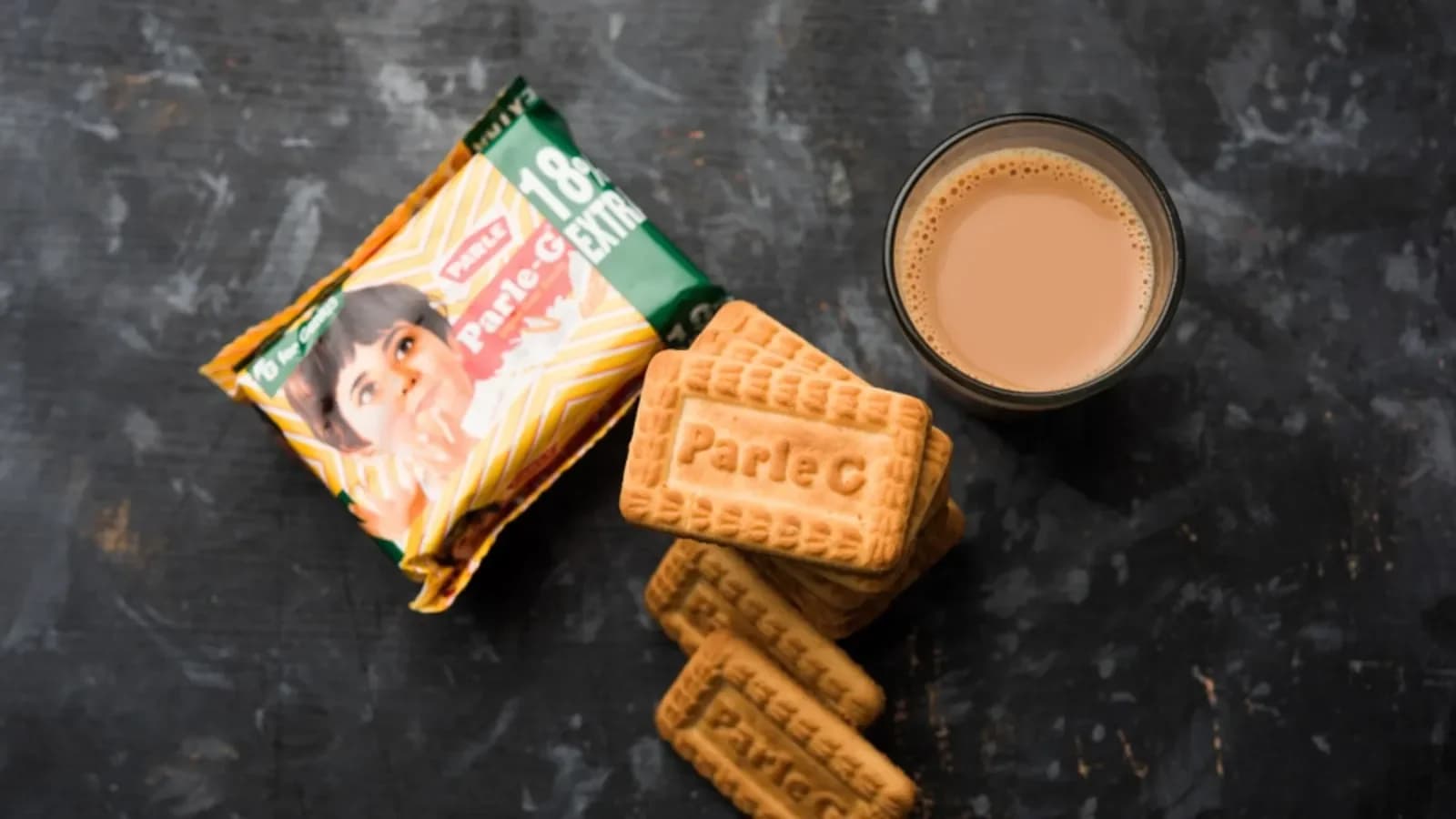
According to the company's financial results, Parle Products reported an 8.5% year-on-year increase in operational revenue to ₹15,568.49 crore in the financial year 2024-25. However, the company's profit fell 39% YoY to ₹979.53 crore during the same period. For FY25, Parle reported a total income of approximately ₹16,191 crore, placing it in direct competition with its primary listed rival, Britannia Industries which reported ₹17,943 crore in consolidated revenue. The food processing company is involved in making biscuits and confectionery products, positioning itself in the competitive snack food market. Parle-G is the company's flagship brand and was named the world's highest-selling biscuit brand in 2020 by Nielsen. The move comes at a time when India's biscuit and confectionery market continues to expand, with rising demand for premium and health-focused variants beyond traditional glucose biscuits.
According to India Brand Equity Foundation, India's biscuit, cookies, and crackers market was valued at ₹1.16 lakh crore in 2025 and is projected to reach ₹1.64 lakh crore by 2030, growing at a CAGR of 6.8%. The market is experiencing a significant shift, with consumers moving beyond glucose biscuits toward premium variants such as cookies, oats, nuts, and low-sugar products. A Parle Products listing would bring the country's two biggest biscuit makers into direct comparison on public markets for the first time, creating a significant milestone in India's FMCG sector. The secondary-only IPO structure would mean proceeds go entirely to the Chauhan family rather than the company, which is common among legacy, family-owned FMCG firms seeking partial liquidity while retaining control.
Founded by the Chauhan family in Mumbai in 1929, Parle Products has built its legacy around the world's best-selling biscuit brand, Parle-G, which was launched in 1939 as Parle Gluco. The company baked its first biscuit in 1939 and has since expanded its portfolio to include brands like Monaco (introduced in 1942 as India's first salted cracker), Kismi (1963), and Poppins (1966). As per ET Now, Parle Products now has manufacturing units in 7 countries outside of India - Cameroon, Nigeria, Ghana, Ethiopia, Kenya, Ivory Coast, Nepal, with a new manufacturing plant added at Mexico in 2018.