National Stock Exchange of India Ltd. (NSE), operator of the world's largest derivatives exchange by trading volume, has received an unusual 'sell' recommendation just as it prepares to launch India's biggest initial public offering. According to reports from Bloomberg, The Economic Times, The Hindu BusinessLine, Business Standard, and ET Now, Dolat Capital Market Pvt., a local brokerage house, initiated coverage on India's largest stock exchange with bearish predictions that tighter regulations on the country's equity derivatives market would crimp trading volumes and lead to a decline in its market share. The brokerage expects these regulatory headwinds to make NSE's rich valuations difficult to justify ahead of its planned $3 billion IPO. The report comes at a time when NSE's long-awaited initial public offering (IPO) is already delayed with pending regulatory and legal issues continuing to delay the process.
Dolat Capital set a target price of ₹1,550, representing a 26% discount to NSE's current price of ₹2,085 in the private trading market. As reported by The Economic Times, The Hindu BusinessLine, Business Standard, and ET Now, analysts led by Punit Bahlani wrote that the impact of the decline in proprietary trading volumes and the loss of market share in index options would limit the exchange's profit and growth rates. While the brokerage acknowledged NSE's long-term structural growth story, it believes current valuations fail to reflect the regulatory headwinds. The report highlights that NSE's valuations in the unlisted market are richer than those of several global peers despite relatively slower profit growth. The exchange is currently valued at about ₹5.2 lakh crore in the unlisted market, while its shares have declined around 3% over the past 12 months, according to unlisted share-trading platform UnlistedZone.com.
The report highlights that India's F&O market has undergone sweeping regulatory changes over the past two years to check excessive speculation in derivatives, including increased contract sizes and restricting options contracts that settle weekly to one benchmark index per exchange. According to The Economic Times, The Hindu BusinessLine, Business Standard, and ET Now, Dolat is forecasting NSE's options trading turnover to decline at an annualised rate of about 4% between fiscal 2026 and 2029 as tighter regulations, lower retail participation and a weaker market cycle weigh on activity. In the same note, the brokerage also initiated coverage on listed peers BSE Ltd. and Multi Commodity Exchange of India Ltd. with sell ratings. The brokerage believes that tighter regulations governing the equity derivatives segment are likely to reduce trading volumes and erode NSE's market share, particularly in index options.
The report comes weeks after the NSE filed for an estimated $3 billion IPO and targets a September listing, subject to approval from the Securities and Exchange Board of India. However, one of the key issues delaying the IPO process is the long-running co-location and dark fibre cases, which are currently pending before various judicial forums. In its draft red herring prospectus (DRHP), NSE disclosed that it has proposed to pay ₹1,491.21 crore to settle the regulatory proceedings with the Securities and Exchange Board of India (SEBI). The exchange said the matters remain pending before the Supreme Court, SEBI and other judicial forums and have been disclosed under the material litigation section of the IPO documents. As reported by The Economic Times, The Hindu BusinessLine, Business Standard, and ET Now, unlike most unlisted companies, NSE is extensively followed by analysts because its disclosure standards and quarterly financial reporting are broadly comparable with listed peers.
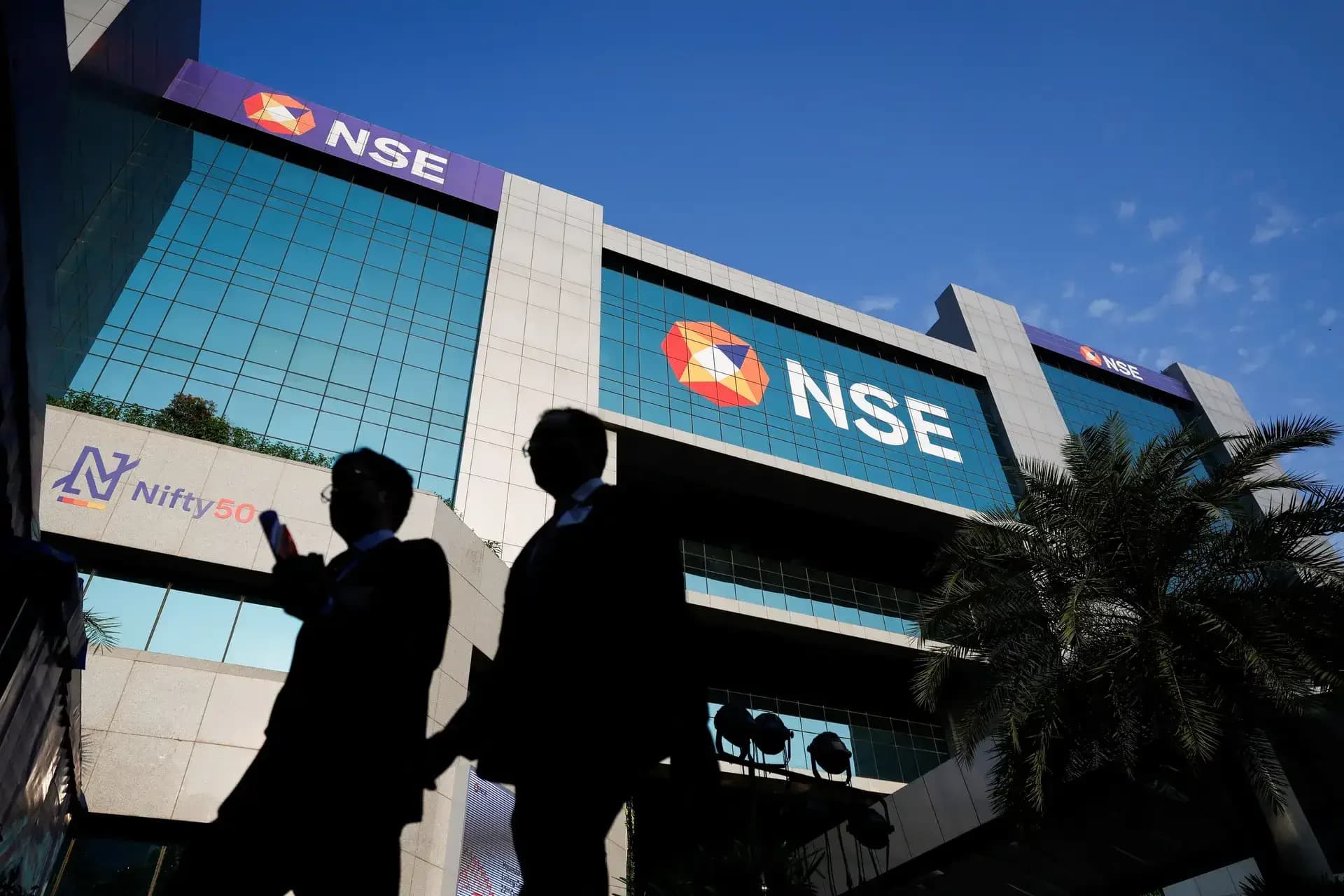
According to unlisted share-trading platform unlistedzone.com, shares of NSE are down 3% over the previous 12 months. The stock exchange currently commands a market value of ₹5.2 trillion. The analyst recommendations on unlisted companies are uncommon in India and globally, making Dolat Capital's bearish call stand out ahead of the listing on rival bourse, as Indian rules don't allow self-listing. The brokerage recommendation comes at a time when recommendations on unlisted companies are uncommon in India, making the bearish call noteworthy as the country's largest stock exchange prepares for what is expected to be India's biggest IPO.