Winning an IPO mandate has become a significantly longer process for investment banks, with timelines extending from the traditional six-to-eight-month journey to up to a year in some cases. According to K. Raghuram, accounting and reporting consulting partner at Uniqus Consultech, what was typically a six-to-eight-month journey from conceptualization to closure is now often a 12-month process. This shift reflects promoters' more cautious approach to public listings amid volatile markets and macro-uncertainty. The extended timelines are attributed to companies adopting a more meticulous approach to public listings, with firms focusing on thorough preparation and compliance to enhance listing outcomes.
Promoters are no longer treating the appointment of investment bankers as a routine step for an initial public offering. As reported by Mint, companies are taking more time to prepare businesses for public markets and identify advisers with relevant sector expertise. A senior Mumbai-based investment banker noted that winning mandates now requires deeper structural commitment, with promoters demanding particular bankers who have successfully handled specific issues before. This has resulted in at least two pitches that have been in the market for eight to nine months without converting to secured mandates. The selection process now involves exhaustive verification across promoter and promoter group identification, material subsidiaries/joint ventures/group companies, financial indebtedness and related party transactions.
Equity capital market lawyers report that pitch deck reviews are now structured as forensic-style investigations, taking more time than previous basic compliance reviews. Kunal Sharma, managing partner at TARAksh Lawyers and Consultants, explained that promoters are insisting on exhaustive verification across promoter and promoter group identification, material subsidiaries/joint ventures/group companies, financial indebtedness and related party transactions. This comprehensive approach has significantly extended the overall IPO preparation timeline. The enhanced due diligence reflects promoters' commitment to transparency and thoroughness in the selection process.
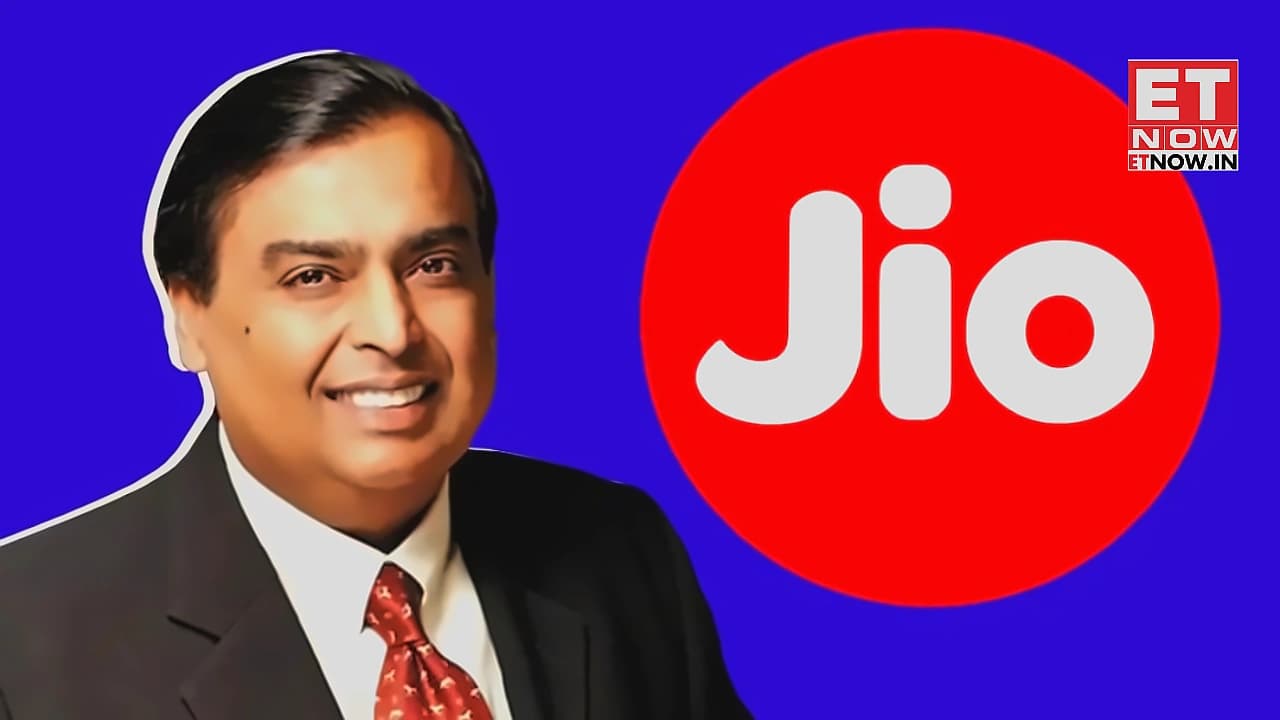
Despite the extended timelines, major issues such as those of National Stock Exchange of India Ltd and Jio Platforms Ltd remained outliers to this trend, with their syndicate of banks including almost every major investment banking name in the country. According to Mint, IPO mandates of major firms including hospitality brands, quick commerce companies, private-equity backed financial firms and real-estate brands were closed after longer-than-normal pitching sessions in the last six to eight months. SBI Funds Management Ltd, Zepto Ltd and Manipal Health are also expected to launch their IPOs in the coming months. The current IPO pipeline shows robust activity with companies like Turtlemint successfully raising ₹882.67 crore with 1.20 times subscription rate and CSM Technologies achieving 66% subscription on Day 3. However, only 40% of the current IPO pipeline is expected to reach the market due to valuation mismatches, as stated by Atul Mehra, CEO of Axis Capital.

The extended preparation period is yielding better listing outcomes as promoters treat this phase as genuine preparation rather than delay. As explained by K. Raghuram, companies are using the longer window to prepare the business to operate as a listed company and comply with regulations. This includes achieving fast, reliable financial close, strengthening internal controls and settling governance and related-party matters well before the DRHP is filed. The current deceleration behaves differently than prior downturns, with promoters consistently seeing better listing outcomes through this enhanced preparation approach. Companies like Turtlemint and CSM Technologies demonstrate this trend with successful market debuts and positive investor response, indicating that the extended preparation period is delivering tangible benefits for both companies and investors.