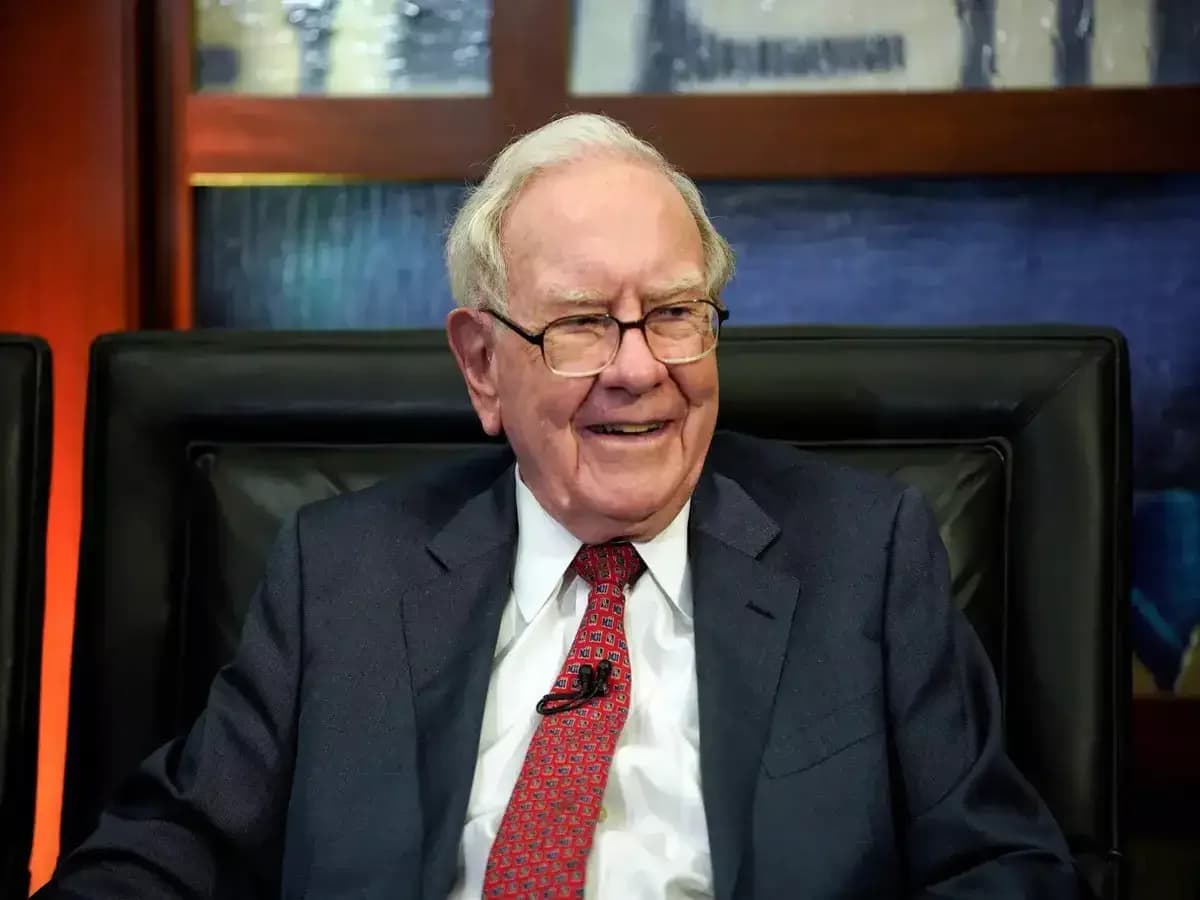
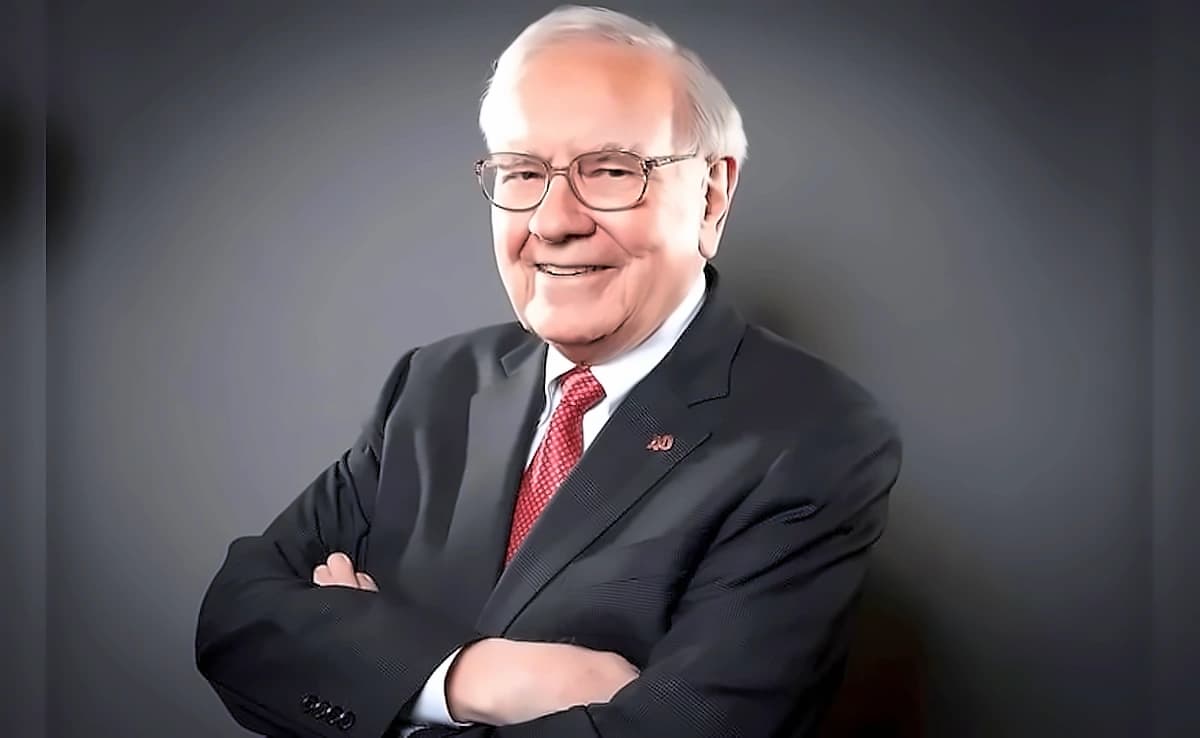
Warren Buffett, the chairman and CEO of Berkshire Hathaway, is widely known as the 'Oracle of Omaha' for his remarkable investment success and practical wisdom. According to reports from Friday Motivation, his famous quote 'Someone is sitting in the shade today because someone planted a tree a long time ago' has been attributed to him for decades and reflects his investment philosophy emphasizing patient, sustainable growth. The quote highlights the importance of long-term planning and delayed gratification, using the image of a tree providing shade to explain that benefits we enjoy today are often the result of efforts made years earlier.
According to Investopedia, Warren Buffett has identified 10 major money mistakes that are keeping Americans broke. The Oracle of Omaha warns against debt accumulation, particularly credit card debt with interest rates reaching 18-20%, which he famously stated would make him broke if he borrowed at those rates. He emphasizes avoiding leverage - borrowing money against your portfolio to buy more assets - as it generally doesn't end well during market downturns. Buffett also cautions against emotional investing, noting that markets don't move in straight lines and dips are part of the journey. His rule of thumb is 'Rule No. 1: Never lose money. Rule No. 2: Never forget rule No. 1' - meaning doing research and investing in companies that can weather corrections.
As reported by Friday Motivation, Buffett's philosophy encourages people to think beyond immediate rewards and focus on decisions that create lasting value. The quote reminds us that meaningful results rarely happen overnight, whether it is building a successful career, growing a business, investing money or nurturing relationships. It also emphasizes that our actions today can positively impact future generations, teaching valuable lessons in patience, discipline and making decisions with the future in mind rather than seeking instant rewards. According to Investopedia, Buffett advocates for 'Our favorite holding period is forever' - investing in companies with great products and strong management that will continue to increase in value over decades. He advises buying assets at fair value and avoiding overpaying, as overpaying can wipe out any competitive edge.
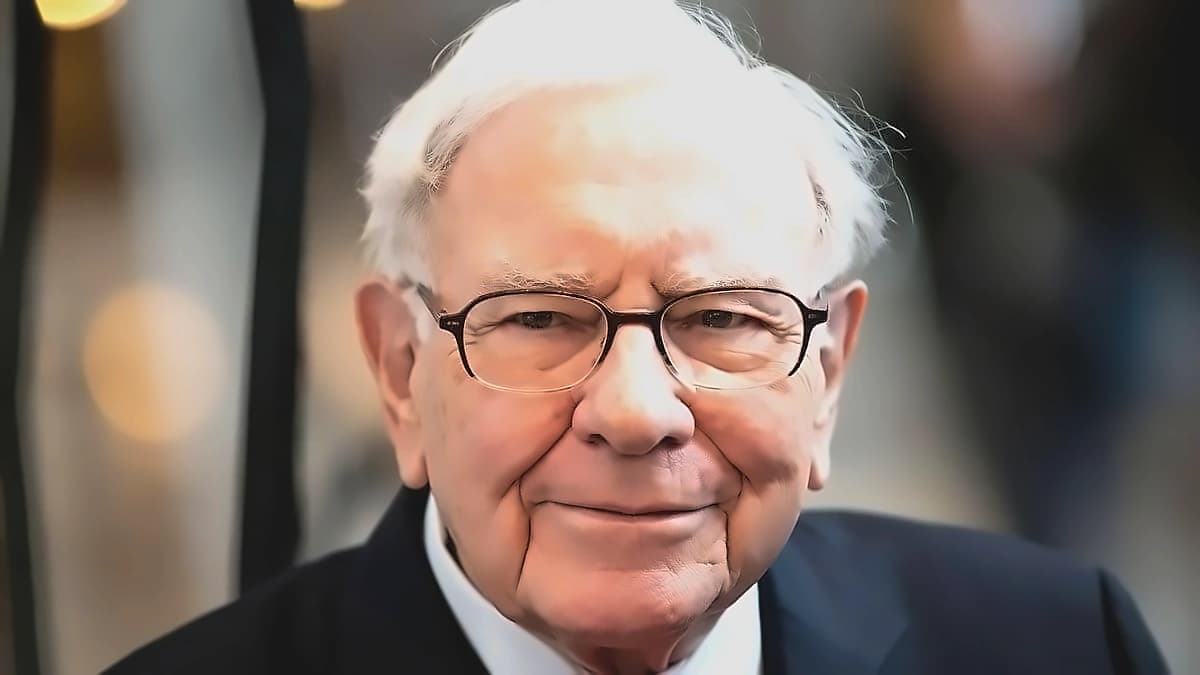
Buffett's personal philosophy demonstrates his commitment to long-term wealth building through smart choices rather than status symbols. As reported by Investopedia, he still lives in the same Omaha house he bought in 1958 for $31,500 - a reminder that smart choices, not expensive purchases, build lasting prosperity. He emphasizes that 'true wealth isn't about how much you spend but how wisely you use what you have'. Buffett warns against overconsumption, noting that 'If you buy things you don't need, you will soon sell things you need' - highlighting the importance of managing cash flow and avoiding unnecessary expenses that can drain financial resources.
According to Investopedia, Buffett's approach centers on removing emotion from investment decisions, especially during market volatility. He advises against chasing trends and using leverage, emphasizing that the only way to get rich fast is through gambling - whether on cards or risky companies. His investment philosophy focuses on buying what you understand - never investing in businesses you don't comprehend. He stresses the importance of researching carefully and thinking long-term, as overpaying can eliminate competitive advantages. The key takeaway is that 'You only have to do a very few things right in your life so long as you don't do too many things wrong' - making disciplined, informed decisions rather than taking unnecessary risks.