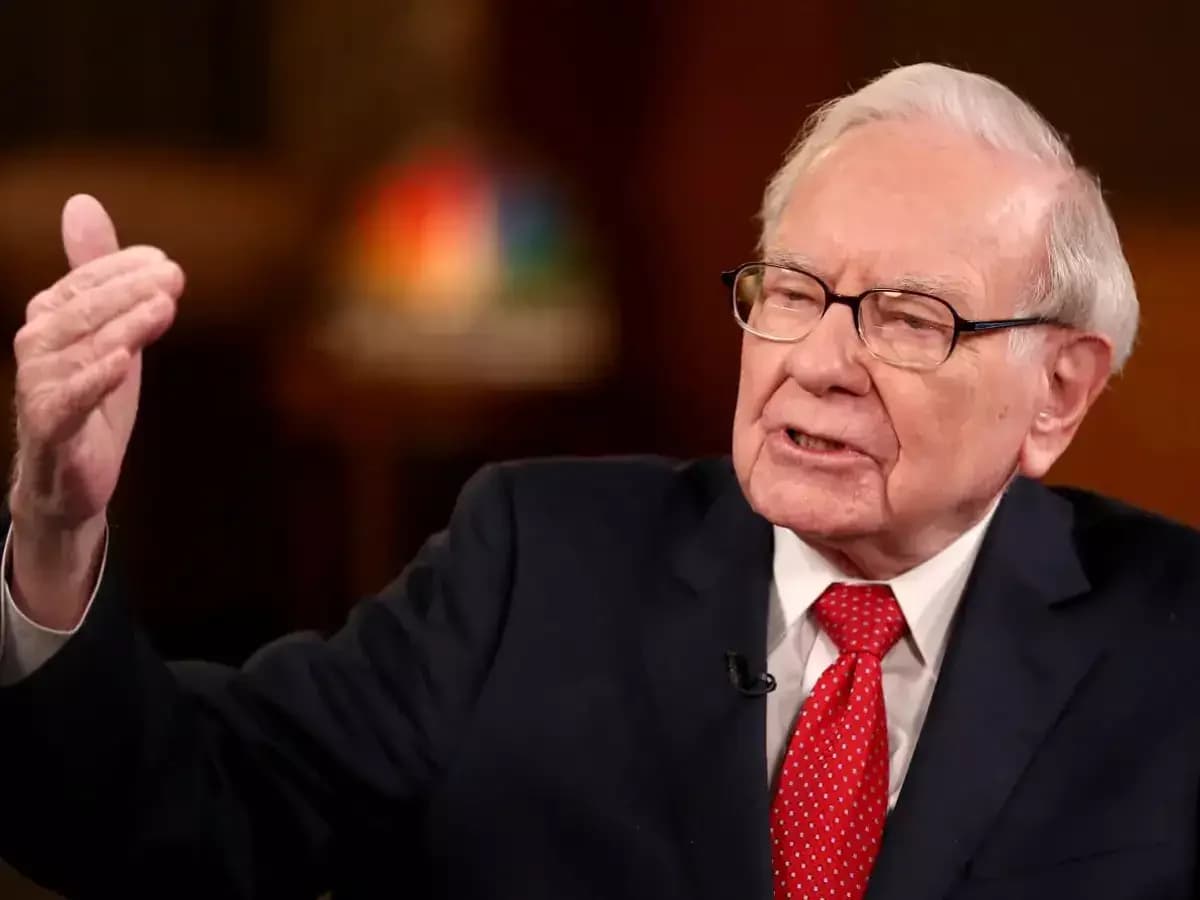
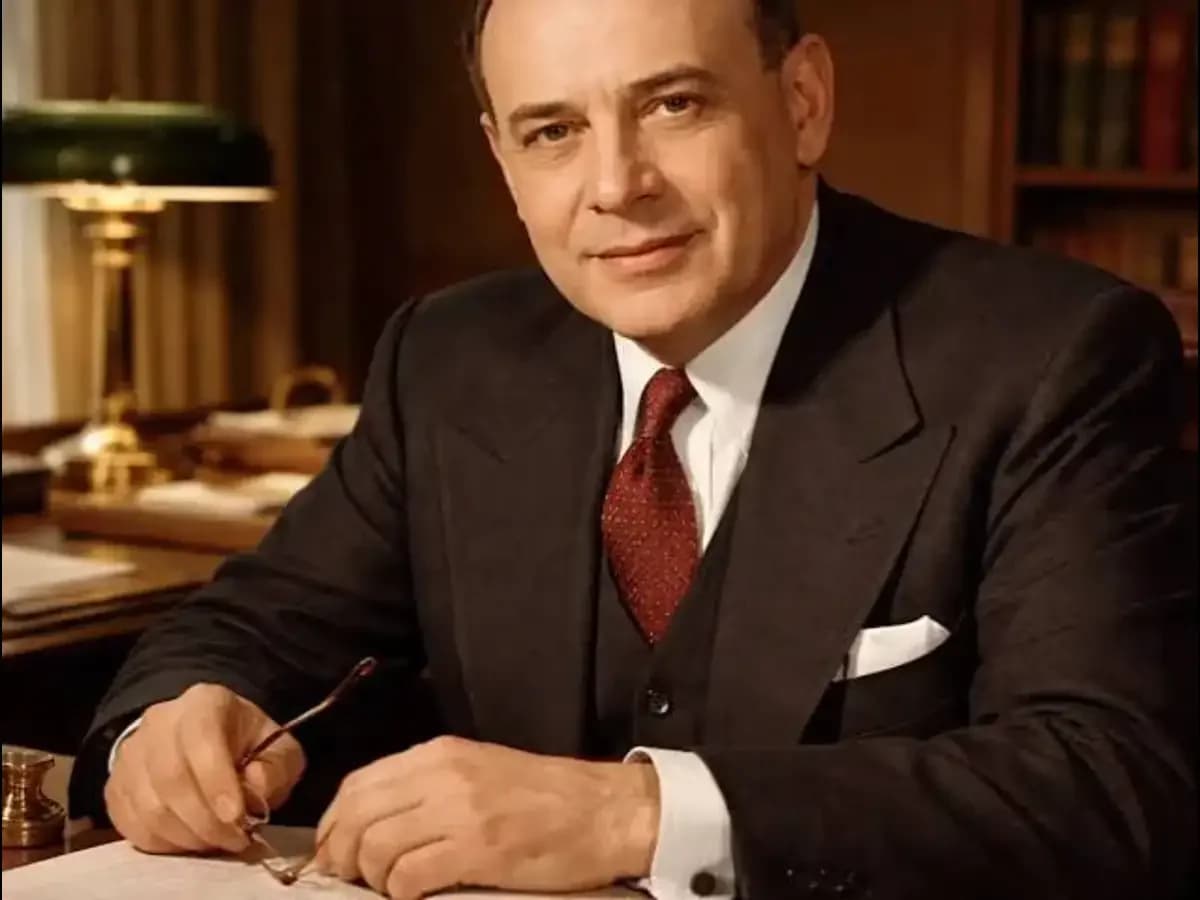
Warren Buffett's investment philosophy was fundamentally shaped by a weekend visit to GEICO in 1951 that transformed his approach to value investing. According to The Economic Times, this unplanned encounter with Lorimer Davidson during a Saturday afternoon interview became a landmark moment in Buffett's investing career. The visit was not a carefully scheduled appointment but rather a straightforward quest for knowledge by the ambitious young student. As reported by The New York Times, Davidson provided a straightforward explanation of the business operations, helping Buffett correlate theoretical knowledge with practical experience. This encounter provided Buffett with firsthand experience of GEICO's business model during a critical period when he was developing his investment theories.
Warren Buffett's timeless investment philosophy centers on the fundamental principle that 'Investing is laying out money today to receive more money tomorrow.' According to The Economic Times, this quote distills decades of market wisdom into a single, powerful idea that captures the essence of investing as a deliberate act of patience, discipline, and foresight. The quote emphasizes that true investing is not about chasing quick profits or reacting to every market fluctuation, but about allocating capital wisely today with the expectation of generating sustainable returns over time. This philosophy was reinforced during his GEICO visit, where Buffett learned about the insurance company's unique business model of collecting premiums early and making payments late, creating a fund for long-term investment.
The simplicity of Buffett's quote highlights a critical distinction between investing and spending. As reported by The Economic Times, when you invest, you are not merely parting with money—you are planting a seed. Whether it is in equities, businesses, or even personal skills, the goal is to nurture that investment so it grows and compounds. The 'tomorrow' Buffett refers to isn't just the next day; it could mean years or even decades down the line. This philosophy aligns closely with the principle of compounding, often called the eighth wonder of the world, where even modest investments can grow significantly by reinvesting returns and allowing time to do its work. The GEICO visit reinforced this concept through practical examples of how thorough thinking can result in sound judgments.
A crucial aspect of Buffett's GEICO visit was the mentorship role played by Lorimer Davidson, who provided explanations of the business in straightforward terms. As reported by The New York Times, Buffett has consistently stressed the need for simplicity while explaining business concepts, and this meeting exemplified that philosophy from the beginning. The encounter provided Buffett with valuable insights beyond just financial aspects, teaching him about the discipline required for underwriting and cost management in the insurance business. According to Investopedia, such encounters are rare and difficult for young investors to achieve, making this experience particularly significant for Buffett's development. The visit further underscored Buffett's philosophy of patience and focus, emphasizing the importance of understanding business fundamentals rather than relying solely on stock performance.
For investors, especially in emerging markets like India, Buffett's philosophy holds even greater relevance today. According to The Economic Times, it encourages individuals to look beyond market noise—be it geopolitical tensions, inflation concerns, or interest rate cycles—and focus instead on underlying fundamentals. Companies with strong earnings potential, sound management, and sustainable business models are more likely to deliver that 'more money tomorrow.' The GEICO visit demonstrated this principle through practical examples, showing how thorough analysis can lead to sound investment judgments. In today's fast-moving financial world, where short-term gains and speculative trades often dominate headlines, Buffett's words serve as a grounding reminder that wealth is rarely built overnight—but almost always built with intention and patience.