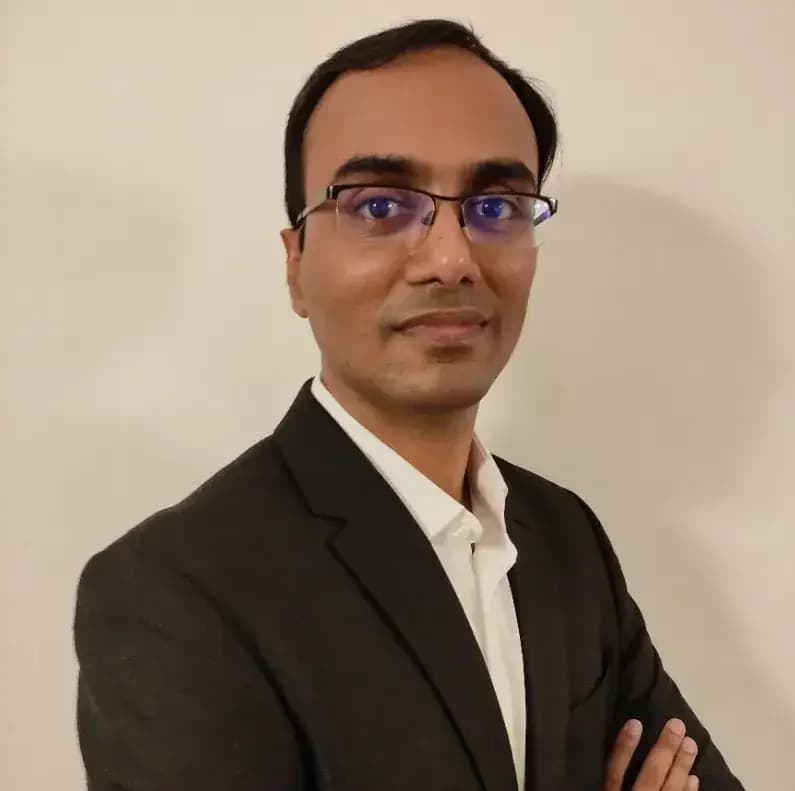
Rohit Seksaria, Fund Manager at Sundaram Mutual, is strategically repositioning his investments rather than pulling back during Indian equity markets' turbulent stretch. According to reports from ETMarkets.com, Seksaria's central assumption is that the current crude-related disruption from the US-Iran conflict will last no longer than the first half of this year, with normalisation beginning in the second half. Under this scenario, markets are likely to look past near-term earnings weakness and start rallying well before the earnings recovery actually shows up in quarterly numbers. As per ETMarkets.com, Seksaria notes that valuations have already corrected to levels that look attractive for investors with the appetite to absorb short-term volatility, with the dip having done much of the work for investors.
Seksaria's highest-conviction call is the lending financial space — banks and NBFCs together. As reported by ETMarkets.com, early quarterly numbers from across the banking sector show healthy growth, and he believes net interest margins have broadly bottomed out for most lenders. Valuations are reasonable, the operating environment remains supportive, and both large private banks and larger urban-focused NBFCs look well-positioned to lead the market recovery. However, he is more selective within the NBFC space, favoring urban consumption-focused lenders over rural-focused NBFCs due to below-average monsoon forecasts. According to ETMarkets.com, rural-focused NBFCs carry some weather-related risk given the below-average monsoon forecast for the year, so his current positioning leans toward urban consumption-focused lenders that are less exposed to agricultural income cycles.
Beyond financials, Seksaria's portfolio is tilted toward what he broadly calls the services economy, including jewellery retailers within consumer discretionary, telecom companies, and hospitals within the healthcare space. According to ETMarkets.com, these businesses are largely insulated from the crude and petrochemicals narrative that is squeezing margins elsewhere. They have still corrected alongside the broader market, which in his view creates an attractive entry point for businesses whose fundamentals have not actually deteriorated. The broader services basket includes retailers, telecom companies, and hospitals, with these businesses being largely insulated from the crude and petrochemicals narrative that is squeezing margins elsewhere.
On traditional IT services, Seksaria maintains a slight underweight due to AI disruption concerns. As reported by ETMarkets.com, work that previously took six months can now be completed in one month using AI tools, and this compression is beginning to show up in deal structures and client spending decisions. He expects revenue depletion, headcount reductions, and contract renegotiations to become more visible in the latter half of this year. However, he holds an overweight position in niche players in advertisement technology where AI is a tailwind rather than a headwind. According to ETMarkets.com, the key is separating AI beneficiaries from AI disruption victims within the broader technology universe, with niche players in advertisement technology being areas where he holds an overweight position.
Two themes where Seksaria is trimming exposure are metals and the Make-in-India or EMS space. According to ETMarkets.com, on metals, he is booking profits after a strong cyclical run. On EMS and PLI-linked manufacturing plays, he believes the market has moved from narrative to execution, and execution, across several companies, is falling short of targets. For investors navigating this market, Seksaria's message is clear: stay close to domestic services, lean into financials, and be selective rather than broad in recovery bets. He notes that on metals, he is booking profits after a strong cyclical run, while on EMS and PLI-linked manufacturing plays, the market has moved from narrative to execution, and execution is falling short of targets across several companies.