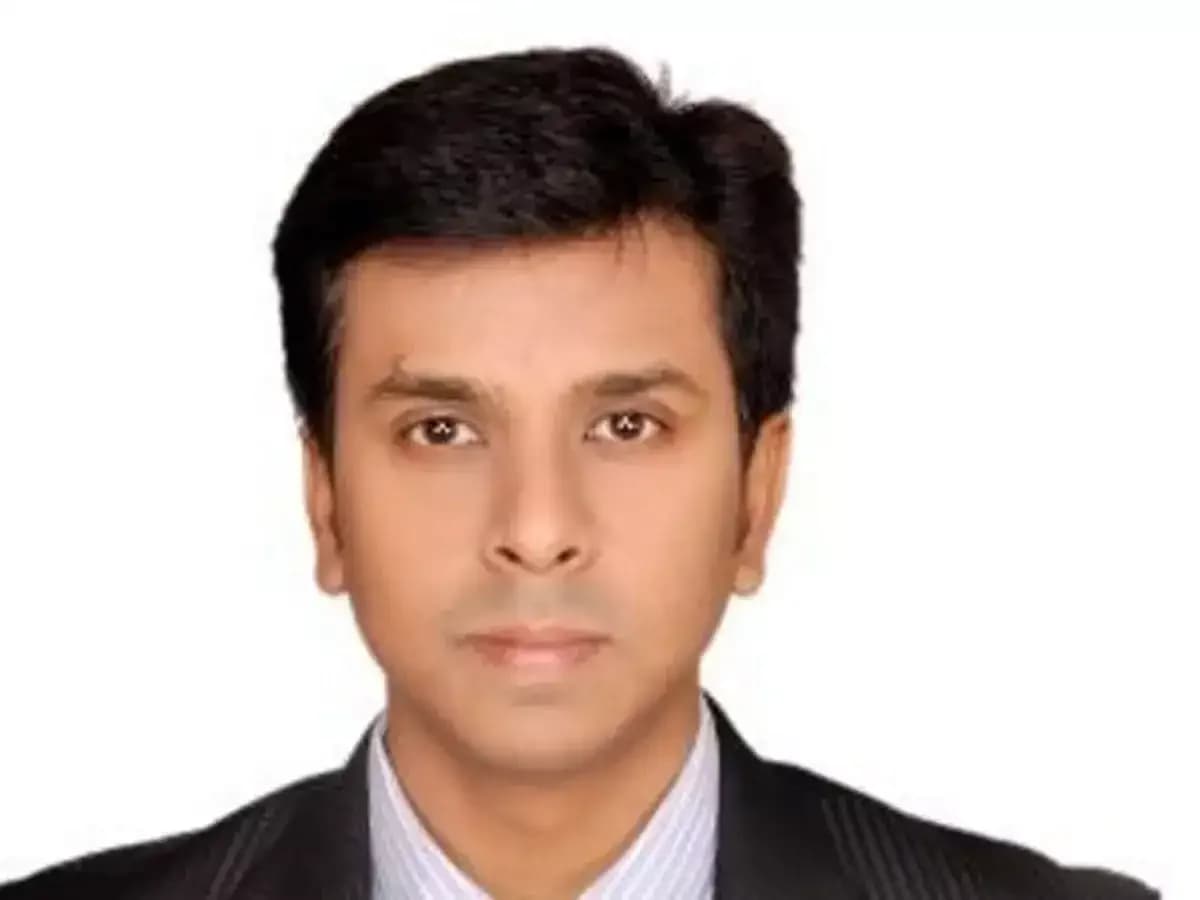
Despite geopolitical tensions in the Middle East and persistent uncertainty around artificial intelligence spending, India is expected to remain one of the world's fastest-growing major economies, according to Seth R Freeman, Senior Managing Director at GlassRatner Advisory & Capital Group. Speaking to NDTV Profit, Freeman said the recent underperformance in Indian equities should be viewed in the context of extraordinary global developments rather than any deterioration in the country's economic fundamentals. As reported by NDTV Profit, Freeman noted that 'there is a lot of volatility caused by the war and AI-related investments are soaking up global liquidity', but emphasized that 'the irony is that India still has a high growth rate and is expected to continue having a high growth rate'. Freeman also highlighted another inflationary risk that markets may be underestimating, stating that supply disruptions linked to the conflict could reduce the availability of fertilisers, potentially driving food prices higher globally.
According to Freeman's analysis reported by NDTV Profit, while foreign institutional investors (FIIs) have pulled money out of Indian markets this year, domestic investors have helped cushion the impact. He added that once valuations become attractive enough, overseas capital is likely to return. The expert noted that 'there is still a global shortage of semiconductor chips', adding that building new manufacturing capacity takes considerable time and investment, which could support future demand for semiconductor-related investments. Freeman also dismissed concerns that the recent correction in semiconductor stocks reflects a structural downturn, instead attributing it to elevated valuations and persistent supply constraints.
Freeman remains constructive on healthcare and automobiles, saying both industries are well positioned for long-term growth. As reported by NDTV Profit, his optimism comes even as global markets grapple with multiple risks including the ongoing conflict involving the United States and Iran, which continues to create uncertainty around oil markets and shipping routes through the Strait of Hormuz. Freeman expects periodic flare-ups rather than a quick resolution, warning that investors should prepare for 'quite a bit of back and forth' between the two countries. His sectoral preferences reflect confidence in India's domestic market resilience despite global headwinds.
Beyond geopolitics, Freeman believes artificial intelligence remains another major theme shaping global capital flows. According to NDTV Profit, massive investments are currently being made in AI infrastructure, data centres and semiconductor manufacturing, but Freeman cautioned that returns on those investments could take several years to materialise. The expert's analysis suggests that while AI represents a significant long-term opportunity, investors should be prepared for extended timelines before seeing measurable returns on their AI-related investments.
Freeman highlighted another inflationary risk that markets may be underestimating. As reported by NDTV Profit, supply disruptions linked to the conflict could reduce the availability of fertilisers, potentially driving food prices higher globally. This additional risk factor adds to the complex landscape of global economic uncertainties currently affecting market sentiment and investment decisions, reinforcing the need for careful risk assessment in current market conditions.