Indian equity markets are positioned for potential further gains driven by strong corporate earnings and resilient consumer demand, according to market expert Sandip Sabharwal. As reported by The Economic Times, after recovering nearly 10% from March lows, investors are closely monitoring whether the current rally can sustain amid elevated crude oil prices and mixed global cues. Sabharwal believes the result season is turning out to be quite good overall, with strong performances from consumer-facing businesses despite multiple cost pressures. He noted that if the war was not there and given the way the results have come out and the outlook would have been if the crude oil prices were $70-80 and not $100 which they are today, the markets could have been 7% to 8% higher than what they are right now. Sabharwal's assessment suggests that the current quarter results and commentary coming out of companies gives him specific comfort, with expectations that markets will eventually move toward new highs over the next few months if geopolitical stability returns and earnings momentum continues.
Oil prices remain the key uncertainty for markets, with Sabharwal noting that while geopolitical developments have triggered sharp spikes, the overall structure suggests prices may correct sharply if a formal resolution emerges in West Asia. According to the market expert, crude prices could crack pretty strongly once a deal happens. He added that the Indian government's decision not to raise fuel prices has helped preserve consumption momentum generated by earlier GST cuts and tax relief measures. Sabharwal believes Indian equities would already be trading at fresh record highs if geopolitical tensions hadn't pushed oil prices toward the $100 mark. He emphasized that the market narrative appears increasingly tied to two variables - crude oil and earnings durability, with analysts believing India's strong domestic demand trends and improving corporate commentary could pave the way for equities to attempt fresh record highs later this year.
One of the strongest themes emerging this earnings season has been the recovery in consumer demand, with Sabharwal highlighting encouraging management commentary from FMCG and retail companies. As reported by The Economic Times, Dabur India remained optimistic about sustaining margins and growth despite rising transportation, packaging, and shipping costs linked to the Middle East conflict. Strong results from Pidilite Industries reported robust volume growth, while improving trends among paint makers and apparel retailers have emerged. GST rate cuts have really helped them and they have some leeway to pass on prices because of cost impact, Sabharwal observed. However, he cautioned that sustained inflation could eventually affect consumer spending power if companies continue passing on higher costs. The revival in consumption is also becoming visible in value retail and fashion segments, where companies had struggled with subdued demand for several quarters. Sabharwal cited improved numbers from companies such as Arvind Fashions and Aditya Birla Fashion and Retail as signs of a broader recovery, noting that there is a definitive consumer revival. He added that many retail and FMCG stocks remain under-owned and out of favour among investors, potentially creating opportunities if demand trends sustain.
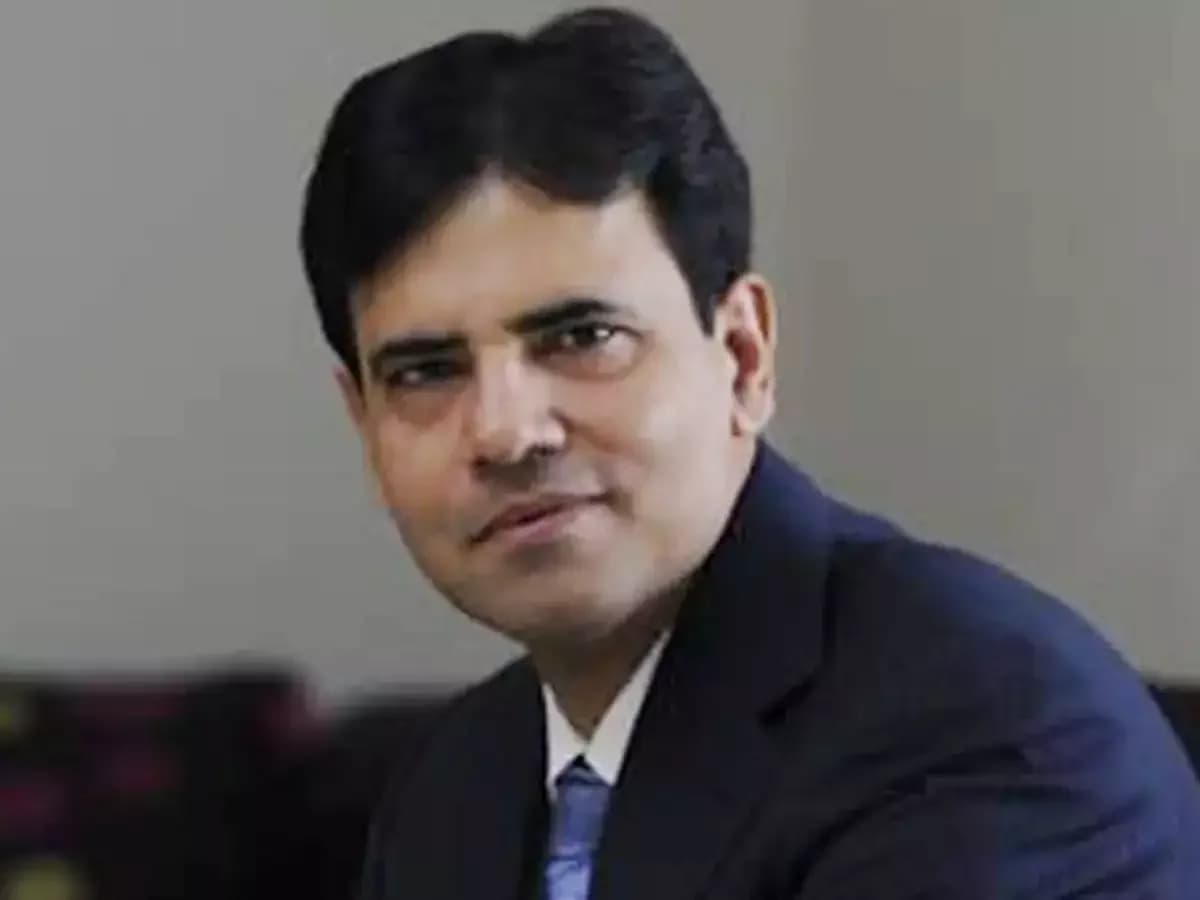
The revival in consumption is becoming visible across value retail and fashion segments, with improved numbers from companies such as Arvind Fashions and Aditya Birla Fashion and Retail signaling a broader recovery. According to Sabharwal, there is a definitive consumer revival, though he cautioned that sustained inflation could eventually affect consumer spending power if companies continue passing on higher costs. In the banking sector, expectations from lenders including State Bank of India should remain realistic amid pressure on margins due to higher funding costs, RBI rate cuts, and bond-market losses. Most of the banking results have been somewhat muted because net interest income growth has been subdued, he said. Despite that, he expects asset quality trends to remain stable and improving across the sector, with investors likely to focus on future growth guidance and margin commentary. Sabharwal also acknowledged concerns raised by companies including Britannia Industries and Nestlé India regarding slower growth during March and April, while noting that another key variable for rural demand will be the impact of El Niño and monsoon trends on agricultural output.
Sabharwal maintains a constructive long-term outlook on defence and shipyard companies, advising investors to use corrections as entry opportunities rather than chase rallies. Companies such as Cochin Shipyard and Bharat Forge continue to benefit from strong structural tailwinds tied to defence and aerospace spending. Shipyard companies definitely investors should be looking at them on every correction, he said, though he cautioned that many defence stocks have already rebounded sharply from recent lows and could consolidate in the near term after their strong run-up. Despite current market uncertainties, Sabharwal's assessment suggests that the current earnings season has strengthened confidence that India's economic recovery remains intact, with markets expected to eventually move toward new highs if geopolitical stability returns and earnings momentum continues. He emphasized that markets are slave of earnings, so eventually it will track how earnings do, while noting that improving pricing power, moderate inflation, and stable growth could still support equities even if India may not currently have a comparable technology-driven earnings cycle.