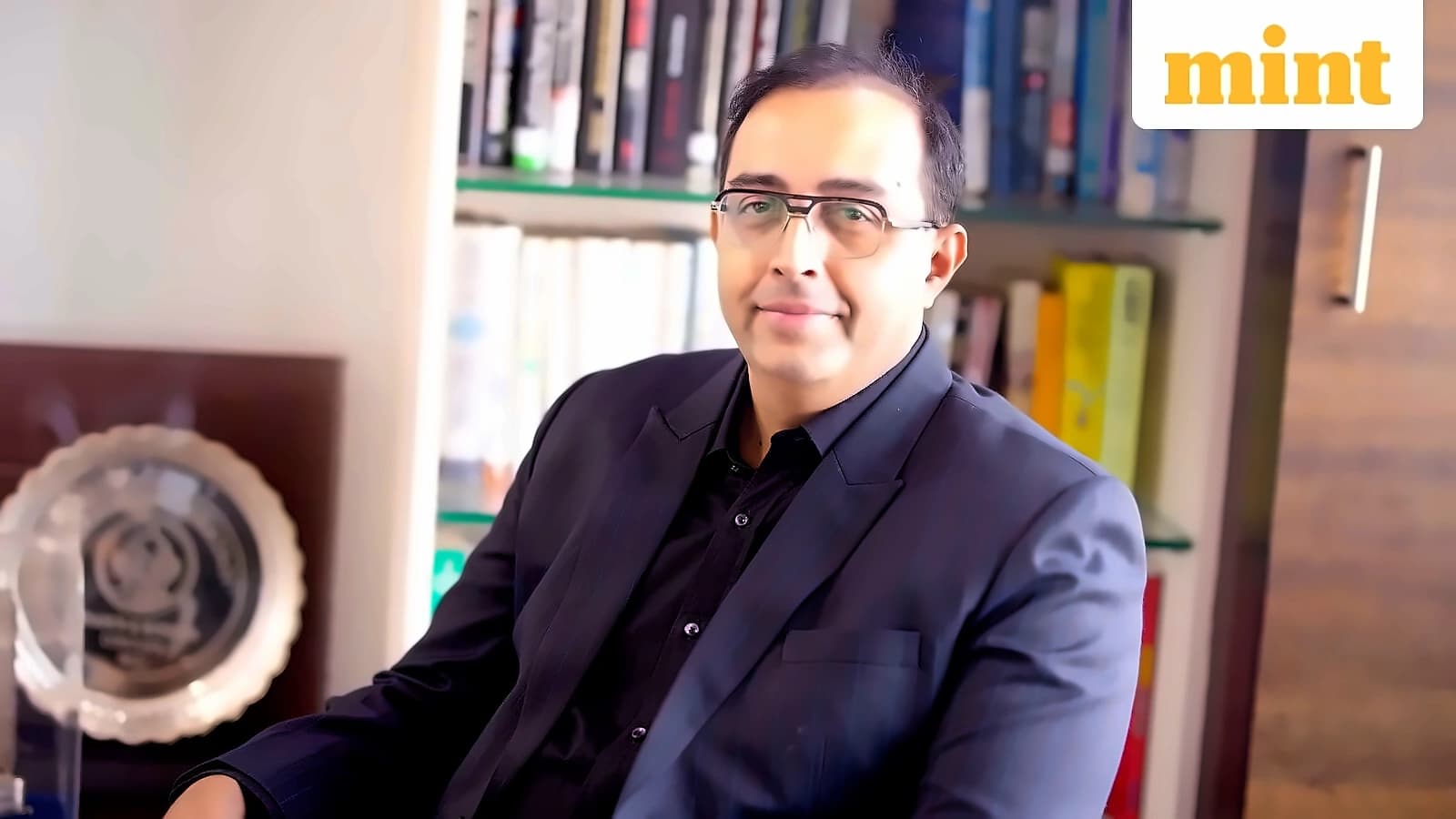
According to reports from Mint, Quant Mutual Fund founder and CIO Sandeep Tandon believes this represents India's biggest buying opportunity since the COVID pandemic. The rationale stems from high levels of fear around crude prices, rupee depreciation, and foreign institutional investor exits, combined with India's underperformance over several quarters. Tandon emphasizes that crude spot prices have peaked out, potentially allowing for correction and consolidation by year-end, similar to February levels. He notes that April's performance was beyond expectations, with sensible people capitulating at the bottom. As per Mint Money Guru series, Tandon explains this is largely a behavioral call coming from analytics built on high fear levels, with people worried about crude prices, the rupee, and FII exits. The culmination of these factors has reached an inflection point, endorsing that the worst is behind us but the best is yet to begin.
As reported by Mint, Quant Mutual Fund's strategy focuses on identifying undervalued and under-researched market segments while avoiding overcrowded trades. Tandon highlights that risk appetite has collapsed completely, with most money managers now focusing only on large caps, while the fund is targeting micro and small caps. The fund believes this represents one of the lifetime high liquidity levels in India, making the current environment ideal for strategic positioning. According to Mint Money Guru series, Tandon notes that retail investors have become more mature post-COVID, with SIP becoming a necessity rather than an option, enabling the fund to absorb large outflows. He emphasizes that the amount of money people made over four years is extraordinary, so even a 15-20% hit does not impact them, leading to better understanding of long-term investing importance.
According to Mint reports, Quant Mutual Fund underperformed in 2025 due to stock selection challenges despite perfect diagnosis, but has returned strongly in recent quarters with improved rankings. The fund was among the first asset management companies to launch Specialized Investment Funds (SIF), which Tandon describes as one of the best products approved by SEBI due to tax benefits and better beta management capabilities. The fund has taken contrarian calls on segments that are either undervalued or under-researched, avoiding over-owned areas where domestic institutions hold high exposure. As per Mint Money Guru series, Tandon notes that while ex-top 100 equity long-short faces liquidity challenges, the segment benefits from growing market depth and breadth in India's capital markets.
As reported by Mint, Quant Mutual Fund has launched Specialized Investment Funds with a 50-50 allocation strategy between mutual funds and SIFs, generating superior risk-adjusted returns. The fund avoids segments where domestic institutions hold high exposure, focusing on stocks people are not willing to touch. Tandon explains that this combination generates superior risk-adjusted numbers, though challenges may arise when the segment becomes very large. He notes that while ex-top 100 equity long-short faces liquidity challenges, the segment benefits from growing market depth and breadth in India's capital markets. The fund has flexibility to have up to 90% exposure in certain asset classes, unlike mutual funds with 10% restrictions, allowing for better beta management.
According to Mint reports, Tandon maintains a constructive outlook for India's structural story despite recent challenges from trade and crude-related uncertainty. He expects India's dependence on fossil fuels to decline by 2030-32, supported by favorable demographics and meaningful domestic consumption. His advice to Indian investors emphasizes the importance of finding money managers who can identify short and medium-term opportunities, noting that the era of static money management is over. He warns against investing in stocks for 10-20 years, citing that even the best blue-chip stocks from the 1990s no longer exist today. As per Mint Money Guru series, Tandon notes that India is a structural story even as the last two years have been very challenging, with the country evolving as a whole.