India's domestic economy continues to demonstrate resilience with healthy revenue and earnings growth despite ongoing geopolitical uncertainties, according to a report by portfolio management services venture OmniScience Capital. The firm projects more than 7% GDP growth for the current fiscal year and believes India could sustain a high-growth trajectory even if the West Asia conflict persists. As reported by OmniScience Capital, the markets are increasingly differentiating between companies based on their future cash flows, with undervalued businesses expected to see their valuations improve while expensive companies could remain stagnant until their earnings catch up.
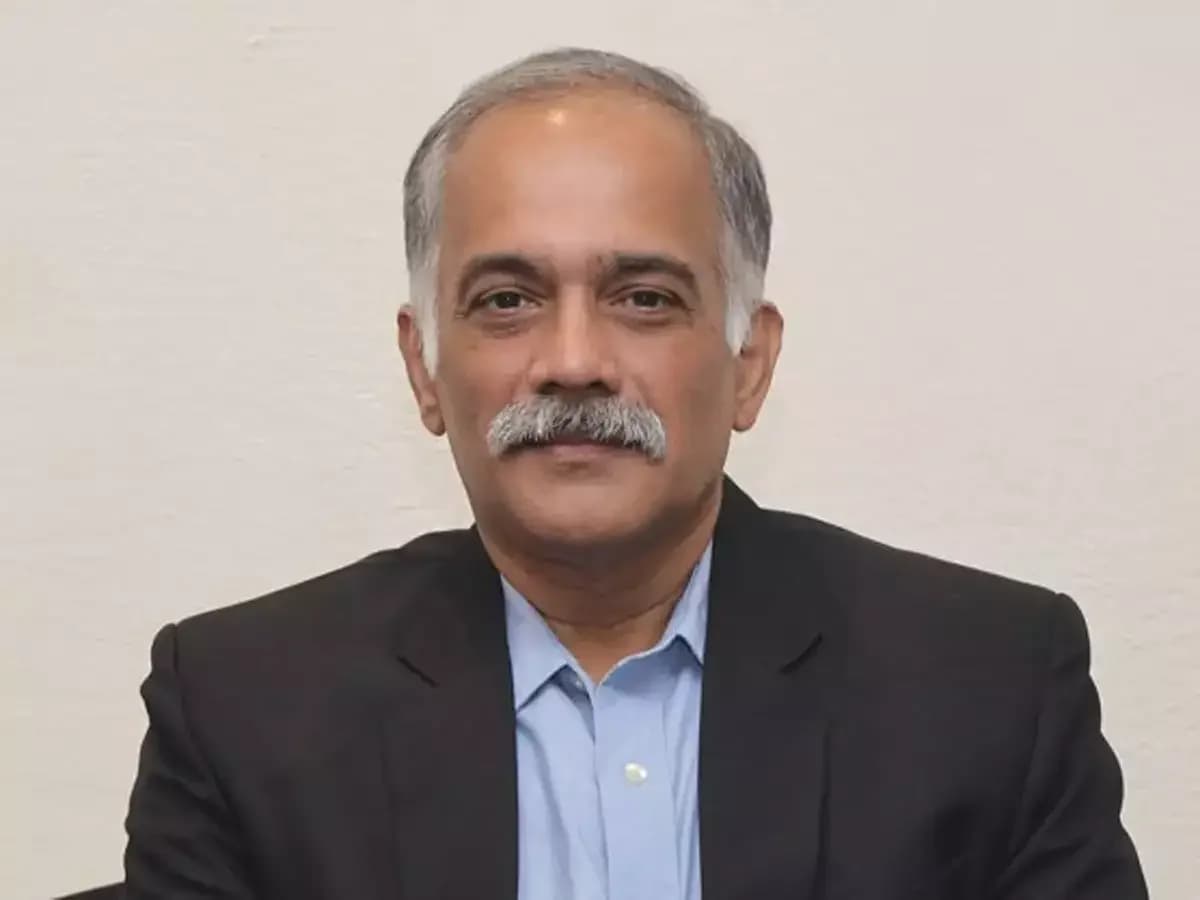
Within the banking segment, PSU banks offer the highest alpha-generation potential over the medium term, according to Vikas Gupta, CEO and Chief Investment Strategist at OmniScience Capital. PSU banks have some of the cleanest balance sheets in decades while delivering double-digit asset and revenue growth. The public sector banks are trading at significant discounts to intrinsic value, as reported by OmniScience Capital. Gupta described banking broadly as a sector that is "completely mispriced," with PSU banks in particular trading well below their intrinsic worth. While midcap private banks could see their valuations unlocked earlier and potentially generate higher IRRs, the firm remains overweight across the banking sector, including PSU, large private and midcap private banks.

Valuations are tempering enthusiasm for consumer plays, as earnings growth appears to be already discounted in current market prices, according to the OmniScience Capital report. The firm is underweight on consumer discretionary, arguing that current valuations already price in substantial future growth, leaving little room for upside. Hotels face a similar constraint, where strong fundamental performance alone does not provide sufficient comfort without a meaningful discount to intrinsic value. As reported by OmniScience Capital, the firm expects the markets to increasingly differentiate between companies based on their future cash flows, with undervalued businesses seeing their valuations improve while expensive companies could remain stagnant.
The IT sector faces fundamental uncertainty despite ongoing AI investment trends, according to OmniScience Capital. Vikas Gupta noted that irrespective of whether a bubble exists, the unprecedented investment by Big Tech will ultimately need to translate into revenues, profits and cash flows. Information technology remains a sector to avoid, primarily due to uncertainty around future workforce requirements and the resulting difficulty in projecting cash flows reliably. As reported by OmniScience Capital, this creates a more cautious outlook for Indian IT companies compared to their global counterparts.
On artificial intelligence, Gupta said any potential bubble is more likely centred on US companies, given that Indian corporates are not deploying capital into AI at comparable levels. However, he cautioned that the massive investment by global Big Tech firms will ultimately need to translate into tangible revenues and profits. This selective approach to AI investment reflects the firm's broader strategy of focusing on sectors with clearer cash flow visibility and more sustainable growth prospects.