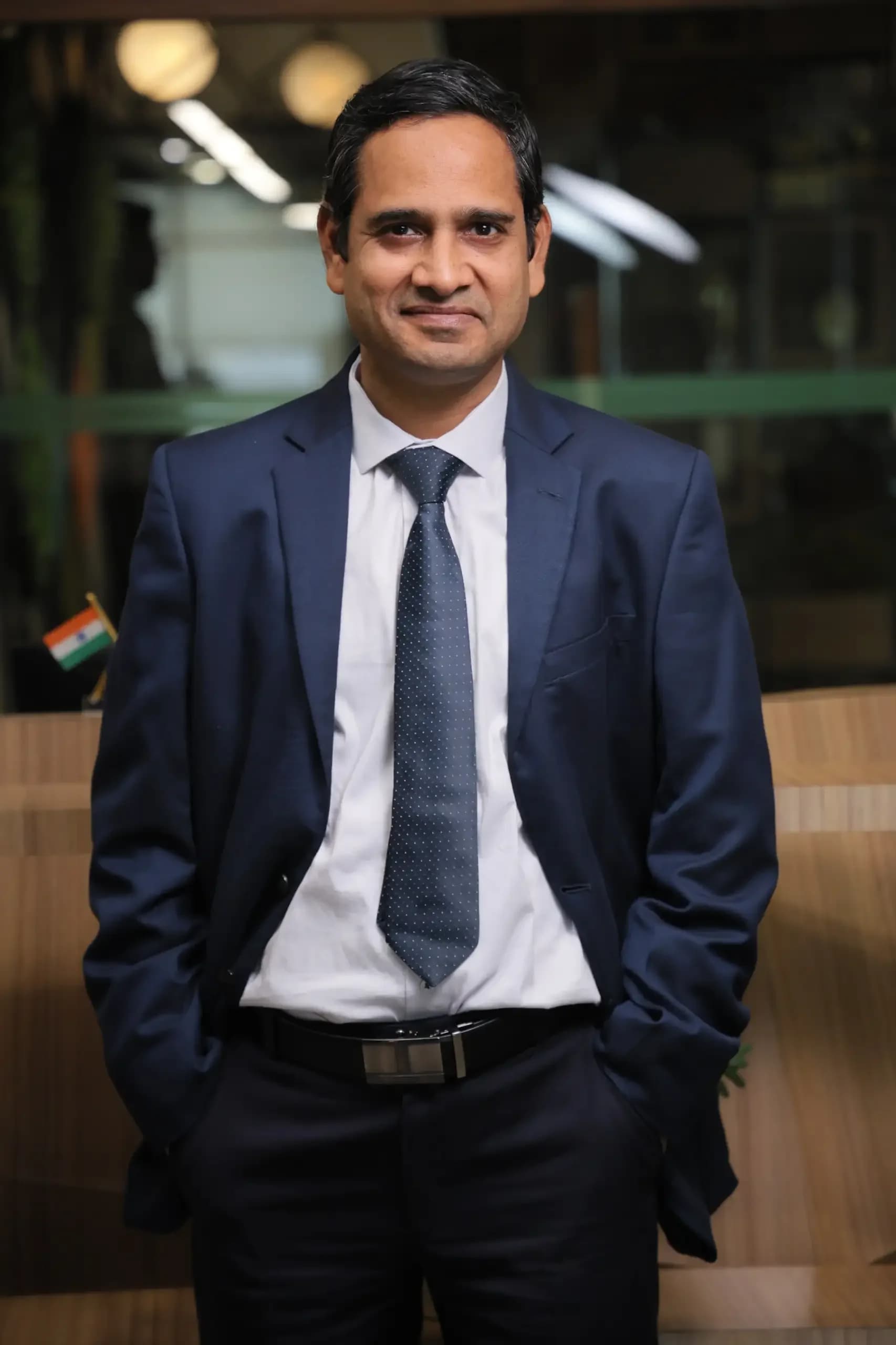



According to The Economic Times, Roop Bhootra, Whole-time Director at Anand Rathi Share and Stock Brokers Limited, recommends a balanced portfolio approach for the second half of 2026. The strategy allocates 50% to large caps, 30% to midcaps, and 20% to small caps. Bhootra believes large caps offer better valuation comfort and resilience in volatile environments, while exposure to mid- and small-cap stocks should remain selective and earnings-quality driven rather than momentum-based.
As reported by The Economic Times, Indian markets have started the second half of 2026 on a subdued note, falling over 1% in July. The recent weakness is primarily driven by underperformance of large-cap stocks (top 100-150 stocks) due to persistent FII selling and muted growth numbers amid geopolitical uncertainty. However, small-mid cap stocks have performed better both in growth and earnings, clocking around 6-8% positive returns. While the long-term India story remains intact, near-term consolidation in larger peers is driving current market sentiment.
According to The Economic Times, the Nifty50 is currently trading around 18.5x times 1-year forward earnings, which is comfortable as it is below both 5-year and 10-year averages. The June quarter has been decent with better revenue growth momentum expected to strengthen in subsequent quarters. However, earning performance continues to remain muted and mixed, with improvement expected starting H2-FY27.
As reported by The Economic Times, Bhootra is overweight on auto & ancillaries, financials, capital goods, manufacturing & defence, and healthcare sectors. He remains neutral to positive on IT with gradual recovery. Consumer staples are underweight due to expensive valuations and pricing pressures. The biggest risk identified is a combination of earnings disappointments and elevated valuations, with sustained FII selling potentially creating market pressure.
According to The Economic Times, Bhootra emphasizes that the biggest mistake retail investors are making is chasing momentum without considering valuations or business quality. He recommends prioritizing valuation discipline, business quality, disciplined asset allocation and diversification, and a long-term approach. While sustained crude oil prices around $100 per barrel could be a headwind for India, the broader market impact is likely to be manageable given India's domestic growth resilience.