Motilal Oswal has issued a 'Buy' rating on Petronet LNG with a target price of ₹362 in its research report dated September 28, 2026, significantly higher than previous targets. The brokerage's DCF-based valuation assumes a 5% tariff cut at the Dahej terminal in FY28, followed by a 4% rise for both terminals. The target price reflects the company's strong fundamentals and growth prospects, with the stock having corrected ~11% over the last seven months due to Qatar Energy's force majeure declaration and elevated spot LNG prices averaging ~USD19-20/mmbtu in 1HFY27.
Shares of Petronet LNG were trading at ₹289.50 on the BSE on Monday, up 0.37% from previous levels. According to reports from Moneycontrol, this modest gain reflects investor interest following recent analyst developments from both Nomura, Emkay Global Financial, Prabhudas Lilladher, and now Motilal Oswal, as well as the company's latest director commission proposal and positive management interactions. As per Bloomberg, 13 of 16 analysts polled in the past week are positive, while two are bearish and one is neutral, with their average one-year target price at ₹324.
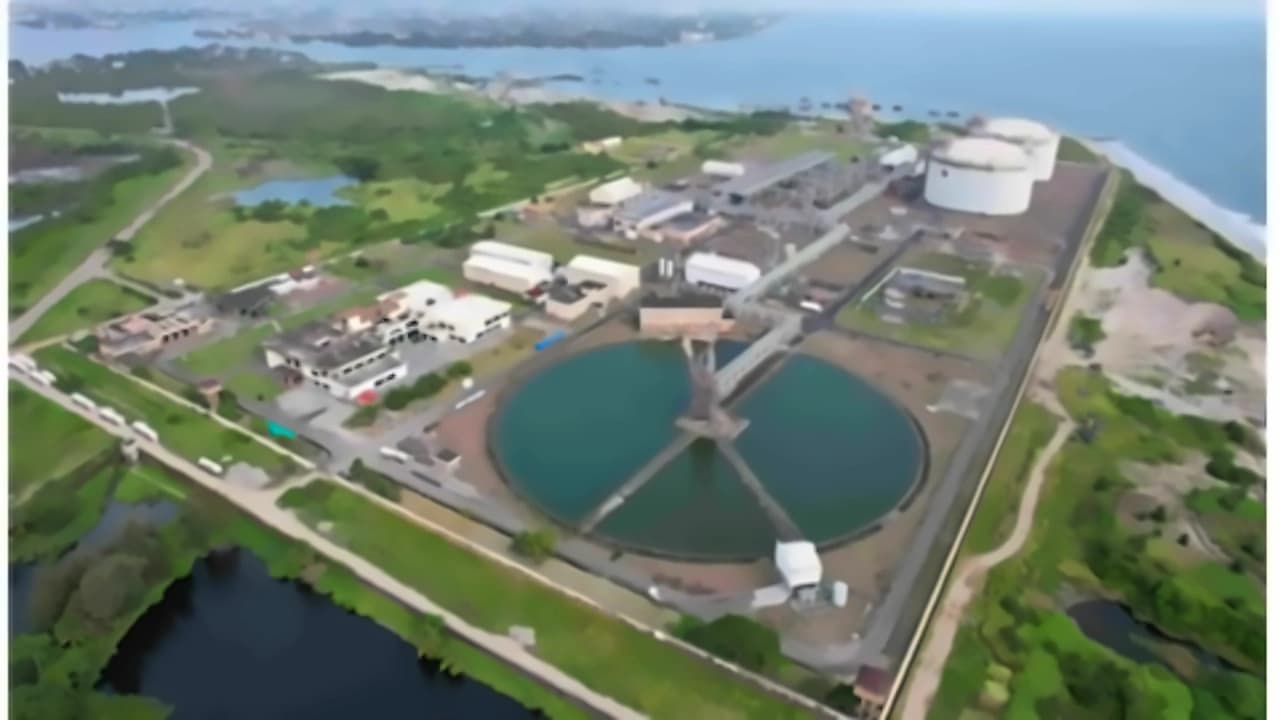
The Dahej terminal's capacity has increased to 22.5 million tonnes per annum (mtpa) from 17.5mtpa at the end of FY26, but high spot LNG prices are expected to keep utilization rates low in FY27. Motilal Oswal expects utilization to fall to 70% in FY27 from 91% in FY26, before recovering to 82% in FY28. JM Financial expects spot LNG prices to moderate from FY28 as significant new global liquefaction capacity comes onstream over the next 12-18 months, which could make LNG more affordable for industrial consumers and allow Petronet to monetize its recently added Dahej capacity. Motilal Oswal expects Dahej volumes to rise to 18.5mtpa in FY28 from 15.8mtpa, while Kochi volumes may reach 1.5mtpa from 1.3mtpa.
Petronet LNG has entered into a 50:50 joint venture with Gruner Renewable Energy to develop 180tpd of CBG production capacity (10 plants of 18tpd each), at an estimated capital outlay of ₹12 billion. The final funding structure and partner contributions remain undisclosed. A separate Kochi-Tuticorin pipeline with a design capacity of 6.84 mmscmd is also planned but could take two to three years due to land acquisition timelines. The company has also approved ₹2,000 crore for compressed biogas (CBG) joint ventures for 10 plants of 18 tonnes per day capacity each, with a government-guaranteed offtake price of ₹2,110 per mmBtu for 10 years and minimum targeted equity IRR of 16%. The Dahej petrochemical project is on schedule for a mid-FY29 start with over ₹20,000 crore of capital expenditure, capable of delivering propylene yields of up to 85%.
Despite capacity expansion benefits, Petronet LNG faces significant capital expenditure challenges that could impact its financial position. HDFC Securities warns that the company is investing about ₹30,000 crore in multiple projects, including a petrochemical complex, LNG capacity, CBG, and other infrastructure projects. The balance sheet is expected to convert into net debt of ₹4,160 crore in FY30E from net cash of ₹729 crore in FY26. However, there are positive developments as JM Financial raised its FY27 Ebitda estimate by 14.5% to account for higher trading and inventory gains in the elevated spot-LNG environment. The company's shares are up just 3% over the last year, trading at 11 times FY27 estimated earnings according to Bloomberg, with investors closely monitoring how much of the capacity expansion translates into sustainable earnings.