Veteran American investor Peter Lynch expressed regret over missing out on Apple despite his daughter buying an iPod, calling the oversight a mistake given Apple's simple business model and strong balance sheet. As reported by The Economic Times, Lynch stated 'Apple was not that hard to understand. I mean, how dumb was I?' He noted that his daughter had bought an iPod for $250 at the time and recalled thinking Apple was making a high margin on it, yet he didn't buy the stock, leaving him with regret later in life. This regret highlights Lynch's core principle of 'Know what you own' - a principle he emphasizes in his popular book 'One Up on Wall Street' where he writes that 'Investing without research is like playing stud poker and never looking at the cards'. The market veteran noted that people spend hours researching flights to get the best price but will put $10,000 in some crazy stock they heard on the bus.
Lynch has consistently avoided artificial intelligence investments, stating he has zero AI stocks in his portfolio. Speaking at 'The Compound and Friends' podcast with Josh Brown, as reported by CNBC, Lynch revealed he could not pronounce Nvidia until about eight months ago and 'Nvidia has been a huge stock I wish I could pronounce it'. This stance comes as stock markets worldwide have experienced increasing frenzy around AI since last year, with hyperscalers significantly increasing their technology investments. The investor, known as the 'lowest tech guy ever' who uses only yellow pads, stated he does not invest in AI as he does not understand the technology enough to have an informed opinion on the market's optimism toward AI. Despite holding companies with an average ROCE of 31 per cent and FCF yield of 4.3 per cent (more than double the S&P 500 average), quality funds continue to underperform as investors redeem for cheaper and currently better-performing index funds or momentum strategies.

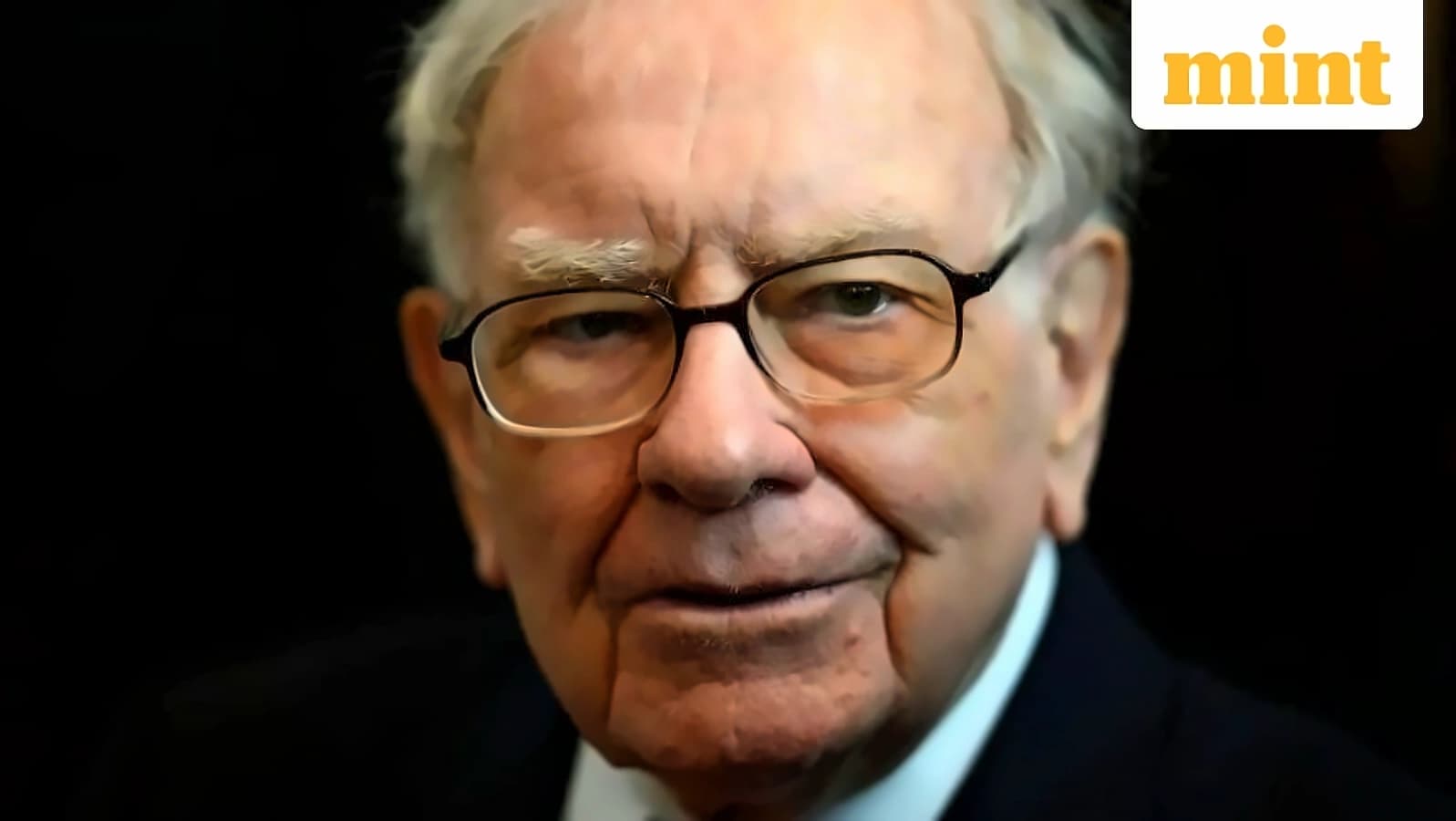
Legendary investor Warren Buffett's Apple bet has proven to be one of his most successful investments, as reported by The Economic Times. Buffett first bought Apple shares in 2016, and it has grown into Berkshire's single biggest position. Apple shares have gained over 49% in a year and 108% in five years, turning out to be one of Buffett's most successful bets in his illustrious career. In a recent interview, Buffett in fact regretted selling some Apple stake, demonstrating the stock's continued appeal. This contrasts with Lynch's missed opportunity, highlighting the importance of proper research and understanding before investment decisions.
The AI boom has created unprecedented market optimism, leading to sharp rallies in AI stocks before experiencing significant declines. As reported by The Economic Times, analysts have begun sounding alarms over massive AI spending and rising debt of tech giants, questioning whether these investments will actually yield returns. Despite holding companies with an average ROCE of 31 per cent and FCF yield of 4.3 per cent (more than double the S&P 500 average), quality funds continue to underperform as Growth at a Reasonable Price (GARP) ranking among the bottom five year-to-date strategies, showing that momentum and high beta stocks continue to outperform quality companies despite their superior fundamentals. This market volatility has sparked a sharp selloff in tech stocks, highlighting the risks associated with AI investments.
Investment expert Barry Ritholtz, co-founder of Ritholtz Wealth Management, emphasizes that avoiding costly mistakes is often a more reliable path to building wealth than chasing extraordinary returns. Speaking on the Better Vantage podcast by Vanguard, Ritholtz warns that the biggest threat to long-term returns is often investors' own behavior rather than market crashes or geopolitical shocks. He advocates for maintaining a 'very robust wall' between long-term financial plans and daily market noise, noting that what happens on a random Wednesday morning in 2026 is irrelevant to retirement planning in 2046. The current market cycle demonstrates this principle, with Growth at a Reasonable Price (GARP) ranking among the bottom five year-to-date strategies, showing that momentum and high beta stocks continue to outperform quality companies despite their superior fundamentals.